Top 10 Control Valve Actuators for Global Buyers?
Control valve actuators play a critical role in various industries, from oil and gas to water treatment. According to a recent report by MarketsandMarkets, the global control valve actuator market is projected to reach $5.1 billion by 2026, growing at a CAGR of 6.8%. This growth reflects the increasing need for precise flow control in industrial processes.
Expert Dr. John Matthews, a renowned authority in automation technology, emphasizes, "The choice of a control valve actuator can significantly impact operational efficiency." This statement underscores the importance of selecting the right actuator for specific applications. With diverse options available, acquiring detailed knowledge of their features and performance is vital.
Understanding the nuances of each actuator type can seem overwhelming. Electric, pneumatic, and hydraulic actuators each have unique benefits and limitations. For instance, electric actuators offer precision but may not be suitable for extreme environments. Evaluating these factors is essential for optimal performance. The decision-making process could benefit from expert advice to avoid costly mistakes.
Key Features and Specifications of Control Valve Actuators
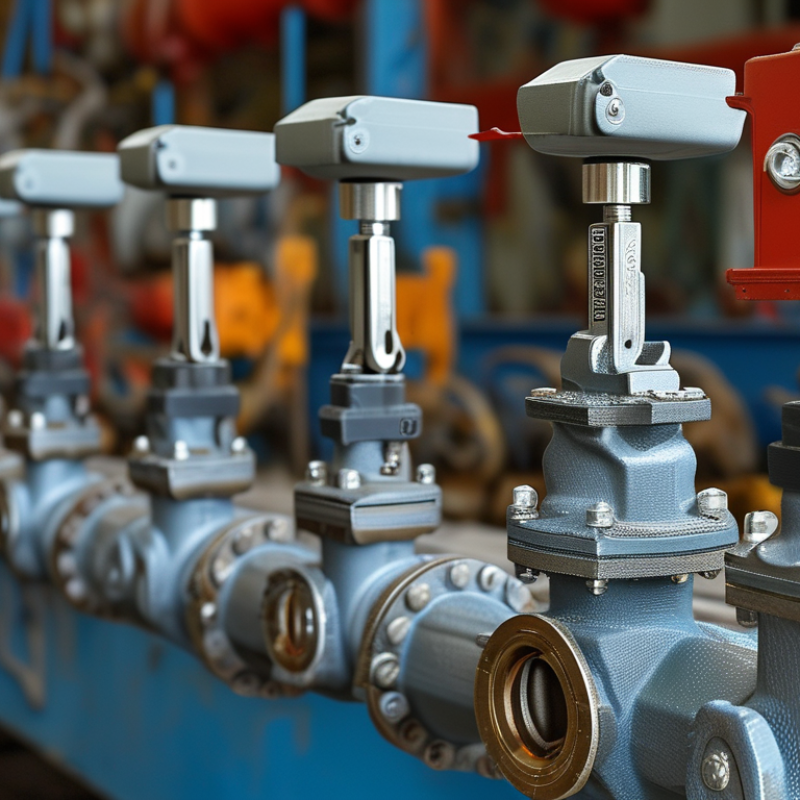
Control valve actuators play a critical role in various industrial applications. When selecting an actuator, several key features and specifications come into play. These include response time, torque output, and mounting options. A fast response time ensures that the valve reacts promptly to control signals. Torque output determines the actuator's ability to handle different valve sizes and types effectively. Mounting flexibility can simplify installation in tight spaces.
Another important aspect is the control method. Electric, pneumatic, and hydraulic actuators each have their advantages. Electric actuators offer precise control, while pneumatic types are known for their quick operation. Hydraulic actuators provide high force, suitable for heavy-duty applications. The material of the actuator also matters, particularly in corrosive environments. Selecting a robust and reliable material enhances the actuator's longevity.
Lastly, user needs must influence the choice of an actuator. Understanding system requirements can lead to more effective control. There are often challenges related to installation and compatibility. Some actuators may require additional equipment or calibration. Buyers need to evaluate these factors, ensuring a well-informed decision. Balancing these features against budget constraints adds complexity to the selection process.
Market Overview: Global Demand for Control Valve Actuators in 2023
The global demand for control valve actuators is witnessing significant growth in 2023. According to the latest industry report, the market for these actuators is projected to reach USD 6 billion by the end of this year. This surge is primarily driven by the increasing automation in industrial processes. Sectors such="oil and gas, water treatment, and chemical manufacturing" are the key contributors.
In terms of regional demand, Asia-Pacific leads the market, accounting for over 35% of the total share. The rapid industrialization in countries like India and China is fueling this growth. Emerging economies are increasing investments in infrastructure, which directly impacts the demand for control valve actuators. However, challenges remain, such as fluctuations in raw material prices and the need for skilled labor.
The technology used in control valve actuators is also evolving. Smart actuators, which offer remote monitoring capabilities, are gaining traction. These innovations improve efficiency but can present learning curves for operators. It's crucial to consider that while the market outlook appears promising, businesses must remain agile and adaptive to the dynamic conditions facing the industry.
Top Manufacturers: Leading Brands in the Control Valve Actuator Industry
Control valve actuators play a vital role in industrial processes. They are essential for regulating fluid flow, and their reliability can impact system efficiency and operational safety. The global market for these actuators is projected to grow significantly. According to a recent report by Research and Markets, the control valve actuator market is expected to reach $3.5 billion by 2025, driven by increasing automation in various industries.
Leading manufacturers in this sector focus on innovation and sustainability. Many companies invest heavily in research and development. This focus improves actuator performance while reducing energy consumption. However, assessing manufacturers’ reliability can be challenging. Buyers must analyze performance metrics, customer reviews, and support services. Evaluating these factors ensures an informed purchase decision.
Ensure that your actuator choice matches your specific application requirements. The actuator's material composition, response time, and compatibility are crucial. Buyers should consider power supply options, whether pneumatic or electric. Additionally, evaluating the actuator's serviceability can save future costs. Understanding market trends also helps in selecting the right actuator type.
The industry is shifting towards smart technologies and IoT integration, which can enhance control and monitoring capabilities.
Technological Advancements: Innovations in Actuator Designs and Functionality
The control valve actuator market is experiencing rapid technological advancements, driven by the need for efficiency and precision. In recent years, the adoption of smart actuators has increased significantly. According to a report by Research and Markets, the global actuator market is projected to reach USD 40 billion by 2025, reflecting a CAGR of 6.2%. These modern actuators offer improved response times and enhanced control, vital for various industries such as oil and gas, water treatment, and pharmaceuticals.
Innovative designs are at the forefront of these advancements. Electric actuators, for instance, have become more prevalent due to their reliability and ease of use. Their integration with IoT technology allows operators to monitor performance in real-time. This connectivity enables predictive maintenance, potentially reducing downtime by up to 30%. However, the complexity of these systems may lead to challenges in installation and troubleshooting.
For buyers exploring actuator options, consider evaluating the specific requirements of your application. Not all technologies suit every environment. Regular training for operational staff can enhance understanding and efficiency in using advanced actuator systems. It’s essential to remain updated on emerging technologies and market trends. This reflective practice ensures optimal performance and aligns with organizational goals.
Top 10 Control Valve Actuators for Global Buyers
Market Trends: Analysis of Pricing and Consumer Preferences in 2023
In 2023, control valve actuators are experiencing notable market trends. Consumer preferences focus on efficiency, reliability, and cost-effectiveness. Buyers seek actuators that provide optimal performance in various industrial applications. Commitment to sustainability is rising. Many consumers now prefer eco-friendly options that reduce environmental impact.
Pricing analysis reveals fluctuations in actuator costs. Factors such as raw materials and manufacturing processes play significant roles. While premium actuators offer advanced features, budget-friendly options are becoming increasingly popular. Some buyers express concern over the long-term reliability of cheaper versions. They often question whether lower costs compromise quality. Many clients show interest in finding a balance between performance and price.
Experts suggest that ongoing innovation will shape actuator designs. Trends indicate a move toward smart technology integration. Features like remote monitoring and automated adjustments can enhance user experience. However, some remain skeptical about the learning curve associated with these advancements. As the market evolves, understanding consumer preferences will be crucial for manufacturers aiming to stay competitive.