What is a High Pressure Valve and How Does It Work?
High pressure valves play a crucial role in numerous industrial applications. These devices are designed to control the flow of fluids under high pressure. Understanding how they work is essential for anyone involved in engineering or manufacturing.
These valves can handle extreme conditions. They are typically used in fields such as oil and gas, aerospace, and chemical processing. Their performance can significantly impact system efficiency and safety. Users must know the technical specifications to ensure proper installation and functionality.
When selecting high pressure valves, factors like pressure rating, materials, and design must be considered. Choices can vary significantly among different applications. Reliability and durability are key; failure can lead to costly downtime or safety risks. Recognizing the importance of these components is vital for any successful operation.
Definition of a High Pressure Valve and Its Types
A high pressure valve is a vital component in many industrial applications. It controls the flow and pressure of fluids in systems that operate under high pressure. There are several types of high pressure valves, including globe valves, ball valves, and gate valves. Each type serves a distinct purpose depending on the requirements of the system.
Globe valves are known for their throttling capacity. They effectively regulate flow but can create pressure drops. Ball valves, on the other hand, provide quick shut-off capabilities and have minimal pressure loss. Gate valves are typically used in on-off applications, where a straight-line flow is desired. Understanding these differences aids in selecting the appropriate valve for specific tasks.
When dealing with high pressure systems, maintenance is crucial. Regular inspections can help identify wear and tear. Be mindful of the valve’s operating limits. It’s easy to overlook specs, but doing so can lead to failures. Always keep safety as a priority. High pressure environments can be risky, and knowing equipment limits helps prevent accidents. Test systems regularly to ensure reliability.
Working Principles of High Pressure Valves
High pressure valves are critical components in various industrial applications. Their primary role is to control the flow of fluids under high pressure conditions. The basic working principle involves using a mechanism to open and close the valve, which regulates fluid movement. Most high pressure valves operate based on either rotary or linear motion. The choice of motion depends on the specific application and the required level of precision.
According to a recent industry report, around 40% of valve failures occur due to improper maintenance or incorrect installation. This statistic highlights the importance of understanding high pressure valve operation. Engineers must consider factors such as pressure ratings, material selection, and installation methods. Each valve type requires specific criteria for optimal performance, and neglecting these can lead to inefficiencies. Maintenance routines should be built around the specific working conditions these valves face.
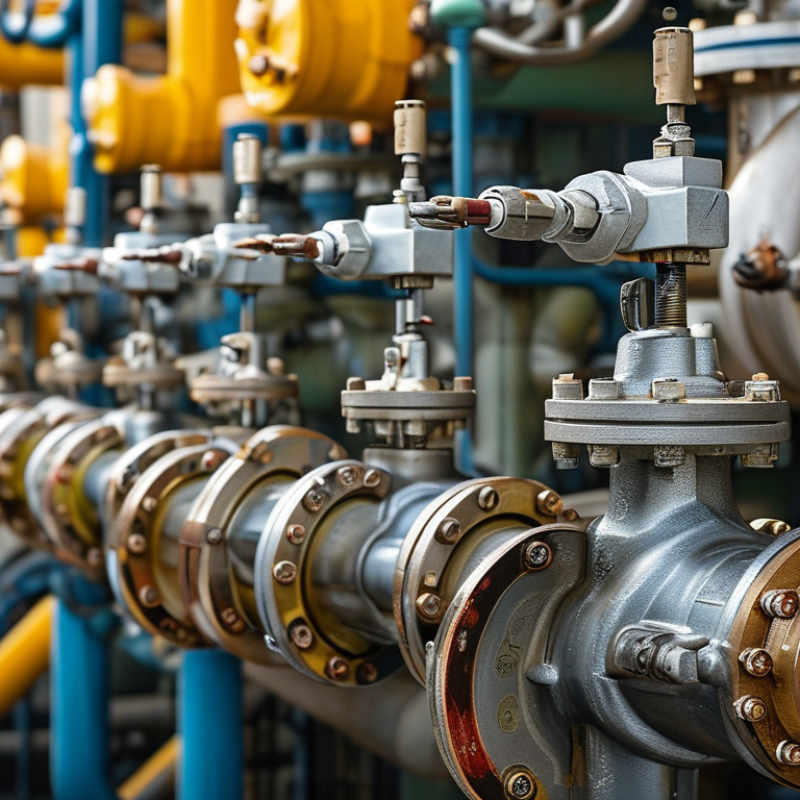
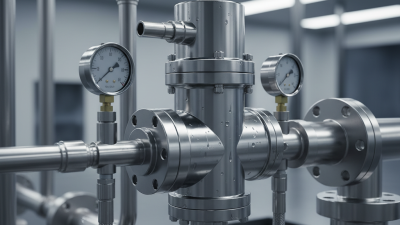
Visualizing the components, a high pressure valve often contains a valve body, actuator, and sealing mechanism. Each part must withstand extreme forces and environmental factors. The actuator controls the opening and closing, while the sealing mechanism ensures no leaks occur. Engineers often report that the longevity of high pressure valves can exceed a decade when properly maintained. However, neglecting regular checks can shorten this lifespan dramatically.
Applications of High Pressure Valves in Various Industries
High pressure valves play a crucial role across various industries, managing the flow of fluids and gases under high pressure. In the oil and gas sector, for instance, these valves ensure safe and efficient operation in drilling, refining, and transportation processes. According to a report by Global Market Insights, the oil and gas segment is expected to dominate the high pressure valve market, reaching a value of over $6 billion by 2027. The need for reliable equipment to handle extreme conditions drives this demand.
In the power generation industry, high pressure valves are essential in steam and water control systems. They help maintain optimal operating conditions, which enhances overall efficiency and reduces downtime. The International Energy Agency reported that improving valve technologies could save up to 10% of energy consumption in some plants. This statistic highlights the importance of having well-functioning valves to support sustainability goals.
However, high pressure valves are not without challenges. Maintenance can be demanding, requiring specialized knowledge. Incorrect installation or failure to perform timely inspections may lead to significant operational risks. Data from industry surveys indicate that about 20% of valve failures are due to improper handling or lack of maintenance. This points out the need for ongoing training and adherence to best practices in valve management across all sectors utilizing high pressure systems.
Maintenance and Safety Considerations for High Pressure Valves
High pressure valves are essential components in many industrial systems. Their proper maintenance ensures safety and reliability. Regular inspections can reveal early signs of wear. Be proactive; don’t wait for issues to arise.
It’s crucial to keep an eye on the valve’s operational environment. Contaminants can cause premature failure. Ensure the area is clean and dry. Check for leaks or unusual noises during operation. These could indicate problems needing immediate attention.
In addition, you should consider scheduling regular service intervals. This can help catch issues before they escalate. Training staff on proper handling and usage can also enhance safety. A knowledgeable team recognizes potential hazards quickly. A culture of maintenance supports long-lasting equipment performance.
High Pressure Valve Maintenance Frequency
Common Issues and Troubleshooting High Pressure Valves
High pressure valves are essential components in many industrial systems. However, they are not immune to problems. Common issues include leaks, sticking, and inadequate sealing. Identifying these problems early can prevent severe system failures and expensive repairs.
Leaks may occur due to worn seals or damage to the valve body. Inspect regularly for signs of moisture or pressure loss. Sticking can happen when debris clogs the valve mechanism. Regular cleaning helps maintain smooth operation. Inadequate sealing often results from improper installation. Ensure that connections are tight and appropriately aligned.
Troubleshooting these valves requires a keen eye. Listen for unusual sounds while the system operates. Uneven pressure readings signal potential malfunction. Operators should be familiar with the valve’s specifications. Understand the operating conditions to spot discrepancies. Regular maintenance checks are crucial. Keep an eye out for wear over time.
What is a High Pressure Valve and How Does It Work? - Common Issues and Troubleshooting High Pressure Valves
| Parameter |
Description |
| Type of Valve |
Globe Valve |
| Application |
Oil and Gas Industry |
| Pressure Rating |
1500 psi |
| Materials Used |
Stainless Steel, Carbon Steel |
| Common Issues |
Leakage, Stickiness, Pressure Drops |
| Troubleshooting Tips |
Check Seals, Inspect Actuator, Clean Valve Body |
| Maintenance Frequency |
Every 6 months |
| Installation Location |
Indoor & Outdoor |
| Working Temperature |
-40°F to 400°F |
| Flow Control Capability |
On/Off, Throttling |