2026 Best High Pressure Solenoid Valves for Global Buyers?
High pressure solenoid valves play a crucial role in various industries, including oil and gas, water management, and manufacturing. According to a recent market analysis, the global solenoid valve market is projected to reach $4.2 billion by 2026, with high pressure solenoid valves accounting for a significant share. This growth highlights the increasing demand for efficient fluid control solutions.
As industries evolve, the need for reliable and durable high pressure solenoid valves becomes essential. These devices facilitate precise control in high-stakes environments. However, challenges remain, such as the risk of valve failure under extreme conditions. Manufacturers must continuously innovate to improve performance and reliability. The selection of the right valve can greatly impact system efficiency and operational safety.
Future trends indicate a shift towards smart technologies and automation in valve systems. Integrating IoT capabilities could enhance monitoring and control. Nonetheless, the complexity may introduce new concerns about maintenance and troubleshooting. Buyers must remain informed about advancements and potential pitfalls in high pressure solenoid valve technology to make educated purchasing decisions.
Overview of High Pressure Solenoid Valves: Function and Importance
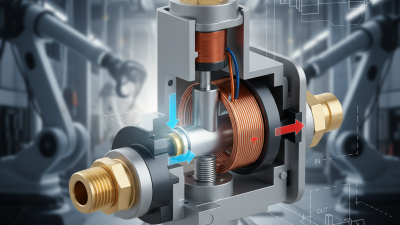
High pressure solenoid valves play a crucial role in various industrial processes. Their primary function is to control fluid flow within a system. These valves respond to electric signals, allowing for precise management of pressure and flow rates. Their importance cannot be overstated, especially in applications involving gases and liquids under high pressure.
The design of high pressure solenoid valves often requires careful consideration of materials and engineering. Corrosion-resistant materials are vital for longevity and reliability. In some cases, the chosen materials may not withstand all conditions, leading to premature failure. Regular maintenance is necessary to ensure optimal performance.
Choosing the right high pressure solenoid valve is critical for efficiency. Buyers must evaluate specifications and compatibility with their systems. However, many encounter challenges, such as inadequate support or unclear information from suppliers. This can lead to purchasing errors and operational downtime. Understanding the specific needs of an application reduces these risks.
Key Features to Consider When Choosing High Pressure Solenoid Valves
When selecting high pressure solenoid valves, certain features must be prioritized. First, consider the pressure rating. High pressure solenoid valves typically operate above 150 psi. According to industry reports, valves capable of withstanding up to 3000 psi are becoming increasingly common. This ensures safety in applications requiring high force.
Next, examine the response time. Fast response is critical, particularly in automated systems. A response time of less than 20 milliseconds is ideal for applications involving rapid cycling. In fact, studies reveal that valves with faster actuation time enhance overall system performance, leading to efficiency gains.
Material compatibility is also vital. High pressure systems may involve corrosive substances. Using the right materials, such as stainless steel or brass, minimizes the risk of failure. Reports suggest that material mismatch leads to 30% of valve-related failures. Careful consideration of fluid type and temperature can prevent costly breakdowns and ensure reliability. These aspects are often overlooked yet play a key role in operational success.
Top 2026 Brands for High Pressure Solenoid Valves: A Comparative Analysis
High pressure solenoid valves play a critical role in various industrial applications. Choosing the right valve is essential for efficiency and safety. In 2026, global buyers will find numerous brands offering a range of features. However, not all brands fit every application perfectly. Some valves may lack certain specifications that others offer, leading to compatibility issues. Buyers should analyze their specific needs to avoid potential mismatches.
Design and material quality significantly influence a valve's performance. Corrosion-resistant materials ensure durability in harsh environments. Reliability is paramount, especially in critical processes. Some brands may excel in providing advanced control features. Yet, others may focus on affordability without compromising basic functionality. It can be challenging to balance cost and performance. Evaluating long-term value versus immediate savings is crucial.
User reviews and expert opinions often guide purchasing decisions. However, the reliability of these sources can vary. Trends may change throughout 2026, making it tricky to pin down consistent recommendations. Gathering firsthand experiences from diverse sources enhances understanding. Focusing on manufacturers with a track record of innovation can lead to better choices. This is where thoughtful deliberation becomes vital for making informed selections.
Applications of High Pressure Solenoid Valves in Various Industries
High pressure solenoid valves play a crucial role in various industries. These valves control the flow of liquids and gases under high pressure. Common applications include oil and gas, chemical processing, and water management. In oil refineries, these valves assist in maintaining safety and efficiency.
In a chemical plant, precise control is vital. High pressure solenoid valves ensure that toxic substances are handled safely. Proper installation and maintenance of these valves can prevent leaks. Regular checks and replacements can save costs and enhance safety.
Tips: Always select valves suitable for your specific application. Consider factors like maximum pressure, temperature resistance, and the type of fluid. Evaluate your system's needs before making a decision. Choosing the right valve could prevent operational failures.
2026 Best High Pressure Solenoid Valves for Global Buyers
| Valve Type |
Pressure Rating (psi) |
Material |
Operating Temperature (°C) |
Application |
| 2-Way Normally Closed |
1500 |
Stainless Steel |
-40 to 120 |
Oil and Gas |
| 3-Way Diverter |
2000 |
Brass |
-10 to 90 |
HVAC Systems |
| Solenoid Operated Valve |
1000 |
PVC |
0 to 60 |
Water Treatment |
| Explosion Proof Solenoid |
2500 |
Aluminum Alloy |
-20 to 80 |
Chemical Processing |
| High Flow Valve |
3000 |
Carbon Steel |
-30 to 90 |
Manufacturing |
Maintenance Tips for Optimal Performance of High Pressure Solenoid Valves
High pressure solenoid valves require regular maintenance for optimal performance. Regular inspection helps identify wear and tear. Check for leaks and ensure seals are intact. A small leak can lead to bigger issues in high-pressure systems. Clean the coil to prevent overheating. Dust and debris can interfere with operation, causing malfunctions.
Lubrication is essential for moving parts. Use suitable lubricants and apply them sparingly. Avoid over-lubrication, which can attract dirt and grime. Periodically test the valve’s responsiveness. Unusual noises or slow operation may indicate underlying problems. Recording performance trends can help pinpoint issues before they escalate.
Always keep a maintenance log. This should include dates, observations, and any replacement parts used. Reflecting on past issues can guide future maintenance. Make sure you have access to proper tools and replacement parts. Being prepared can save time and reduce stress when tasks arise. Regular maintenance may seem time-consuming, but it pays off in reliability and efficiency.
2026 Best High Pressure Solenoid Valves Performance Comparison
This chart provides a performance comparison of five different high pressure solenoid valves based on their flow rates and pressure ratings. This information can aid global buyers in making informed decisions when selecting the best valving solutions for their needs.