What is a Control Valve and How Does It Work?
A control valve is a crucial component in various industrial processes. According to Dr. Ellen Smith, a leading expert in flow control systems, “Control valves are essential for maintaining process stability and efficiency.” They manage the flow of fluids by adjusting their opening based on signals from controllers. This adjustment ensures optimal operation within a system.
When discussing control valves, one must appreciate their intricate design and function. They can regulate pressure, temperature, and flow rates, which makes their role significant in manufacturing, water treatment, and energy production. However, the effectiveness of a control valve can be affected by factors such as wear, corrosion, or improper sizing.
Understanding the mechanics behind control valves can be challenging. The technology is nuanced, often requiring experts like Dr. Smith to explain the techniques involved. Its importance cannot be understated, as a malfunctioning valve can lead to inefficiencies or even system failures. In examining the control valve's role, we highlight both its strengths and inherent vulnerabilities.
Definition and Purpose of Control Valves
Control valves play a crucial role in various industrial applications. Their primary function is to regulate fluid flow and pressure within a system. By adjusting the flow of materials, control valves help maintain optimal conditions for processes, ensuring safety and efficiency. According to a report by MarketsandMarkets, the global control valve market is projected to reach $9.3 billion by 2025, highlighting their importance in modern industry.
The design of a control valve allows it to respond to changes in process conditions. Sensors signal the valve to open, close, or modulate the flow of fluids. This responsiveness is essential for maintaining process stability. It's noted that up to 50% of energy costs in process systems can be eliminated with proper valve control due to reduced energy waste. However, many industries still face challenges with valve performance. Often, valves are not calibrated correctly, leading to inefficiencies and potential safety hazards.
Additionally, the variety of control valve types—such as globe, ball, and butterfly—can complicate the selection process. Each type has unique strengths and weaknesses, making it vital to understand specific applications. Interestingly, organizations can overlook maintenance. Regular checks are not always prioritized, which can lead to valve failure. This oversight needs addressing to enhance reliability and maintain performance. Investing in proper education and training on control valve management is essential for many operators.
Types of Control Valves and Their Applications
Control valves play a crucial role in various industrial processes. They manage the flow, pressure, and temperature of liquids and gases. Different types of control valves are suitable for specific applications. This versatility enhances operational efficiency and safety.
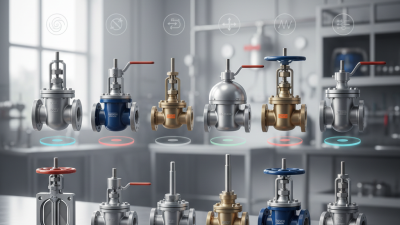
Globe valves are widely used for flow regulation. They offer precise control due to their linear motion design. This makes them ideal for throttling applications, such as in chemical processing. Ball valves, on the other hand, provide quick shut-off and are commonly used in natural gas distribution. Their spherical disk allows for minimal resistance when fully open.
Butterfly valves are another popular choice, especially in large pipelines. They can handle high flow rates and are easy to operate. Yet, their performance may be inadequate in applications requiring tight sealing. Each valve type has its benefits and drawbacks; understanding them is essential for optimal system design. Choose wisely based on the specific needs of your application. The right control valve can significantly impact overall efficiency.
Types of Control Valves and Their Applications
Working Principles of Control Valves
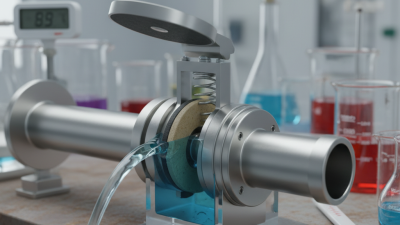
Control valves play a critical role in industrial automation, regulating the flow of fluids within a system. Understanding their working principles is essential for efficiency. Most control valves operate based on feedback from a connected sensor. The valve adjusts based on signals received, ensuring the system maintains desired conditions.
The control mechanism often involves a positioning actuator. This actuator receives signals from the control system, adjusting the valve's opening. Studies indicate that properly calibrated control valves can improve system efficiency by up to 30%. Precise control minimizes waste and enhances reliability, showcasing the importance of their design and functionality in industrial applications.
However, the challenge lies in the potential for wear and tear. Regular maintenance is essential. A study revealed that nearly 20% of control valve failures are linked to improper maintenance. Identifying these issues early can prevent system downtime. Operators must stay vigilant. Balancing efficiency and reliability in control valve operations remains a work in progress for many industries.
What is a Control Valve and How Does It Work? - Working Principles of Control Valves
| Parameter |
Description |
Function |
Common Applications |
| Type |
Mechanical device for controlling flow |
Regulates fluid flow based on input signal |
Oil & Gas, Water Treatment, HVAC |
| Actuator Type |
Pneumatic, Electric, Hydraulic |
Provides force to open/close the valve |
Industrial automation, process control |
| Control Signal |
Electronic or Mechanical signal |
Guides the actuator for precise control |
Chemical processing, power generation |
| Flow Characteristics |
Linear, Equal Percentage, Quick Opening |
Determines how flow changes with valve position |
Water supply, heating systems |
| Material |
Stainless Steel, Brass, Plastic |
Affects durability and fluid compatibility |
Food processing, pharmaceuticals |
Key Components of Control Valves
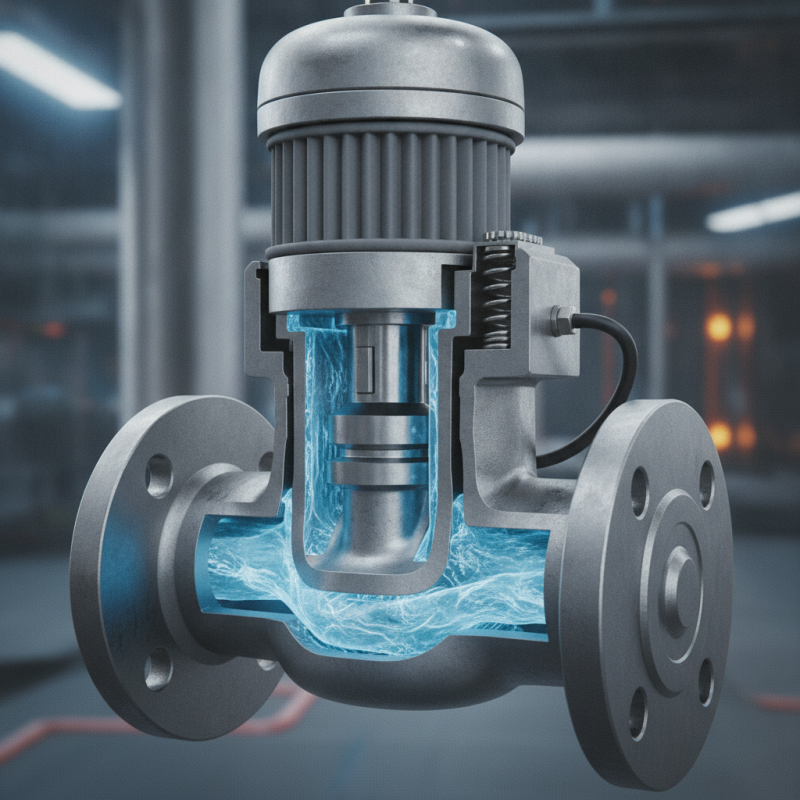
Control valves play a crucial role in regulating fluid flow within various systems. Understanding their key components is essential for effective operation. A typical control valve consists of three main parts: the actuator, the body, and the trim.
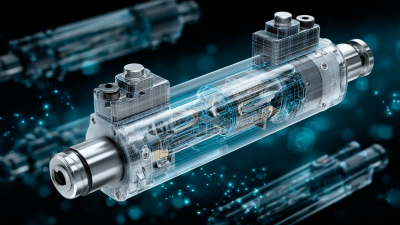
The actuator drives the valve mechanism, responding to control signals. It can be pneumatic, electric, or hydraulic. The body houses the trim and is the valve's outer structure. The trim includes the components that open, close, or modulate flow. This often involves an internal plug or disk that creates a seal against the seat.
When maintaining control valves, it’s vital to regularly check the actuator's responsiveness. If ignored, a lagging actuator can lead to inefficient flow control. One common issue is wear and tear on the trim components. Small leaks can develop over time, affecting system efficiency. Regular inspections can help identify potential problems early.
Tips: Always ensure the actuator receives the correct signals. Miscalibrations can lead to poor performance. Furthermore, don’t overlook the importance of selecting the right materials for the trim based on the fluid type. Inappropriate choices can result in failures and costly repairs. Investing time in understanding these components ensures reliable valve operation.
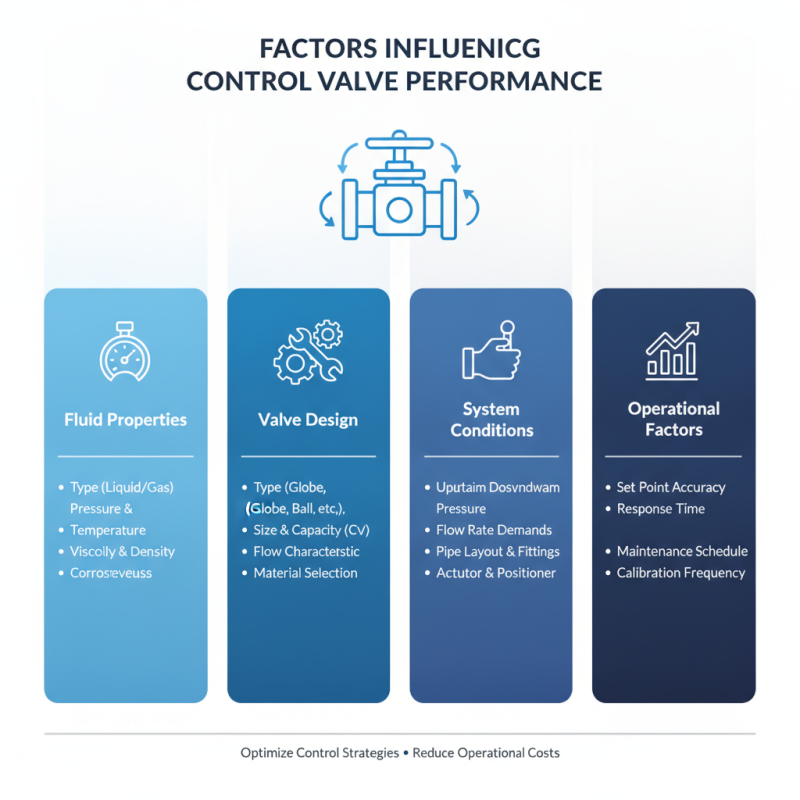
Factors Influencing Control Valve Performance
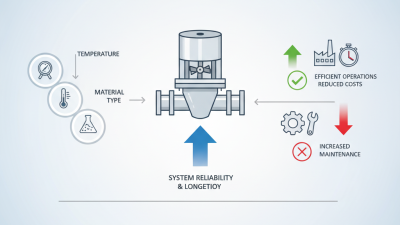
Control valves play a crucial role in managing fluid flow in various systems. Several factors influence their performance, impacting efficiency and effectiveness. Understanding these factors can optimize control strategies and reduce operational costs.
Firstly, the valve size is vital. If the valve is too large, it can lead to inefficiencies and a sluggish response. A valve that is too small may cause excessive pressure drops. According to industry reports, an improperly sized control valve can lead to a 20% increase in energy consumption. Proper sizing is essential for maintaining system integrity.
Another critical factor is the valve's flow coefficient (Cv). This metric defines how effectively a valve can control flow conditions. A high Cv indicates better flow capacity, leading to improved system responsiveness. Maintenance practices must also be considered. Regular inspection can prevent failures due to wear and tear. According to studies, a well-maintained valve can enhance performance by as much as 15%.
**Tip:** Regularly monitoring valve performance metrics can help catch issues early.
**Tip:** Consider seasonal adjustments to flow requirements.
Flow characteristics—whether linear or equal percentage—directly affect how a valve responds to changes in set points. The selection of actuators and their response times also influences overall system dynamics. Careful evaluation of these variables can lead to improved control valve performance, highlighting the importance of thorough analysis and ongoing adjustments.