How to Choose the Right Rotary Valves for Your Needs?
Choosing the right rotary valves is crucial for various industrial applications. Rotary valves play an essential role in controlling material flow. According to a report by ResearchAndMarkets, the global rotary valve market was estimated to reach $2.1 billion in 2022 and is projected to grow significantly by 2028. This growth reflects the increasing demand across industries like food processing, pharmaceuticals, and chemical manufacturing.
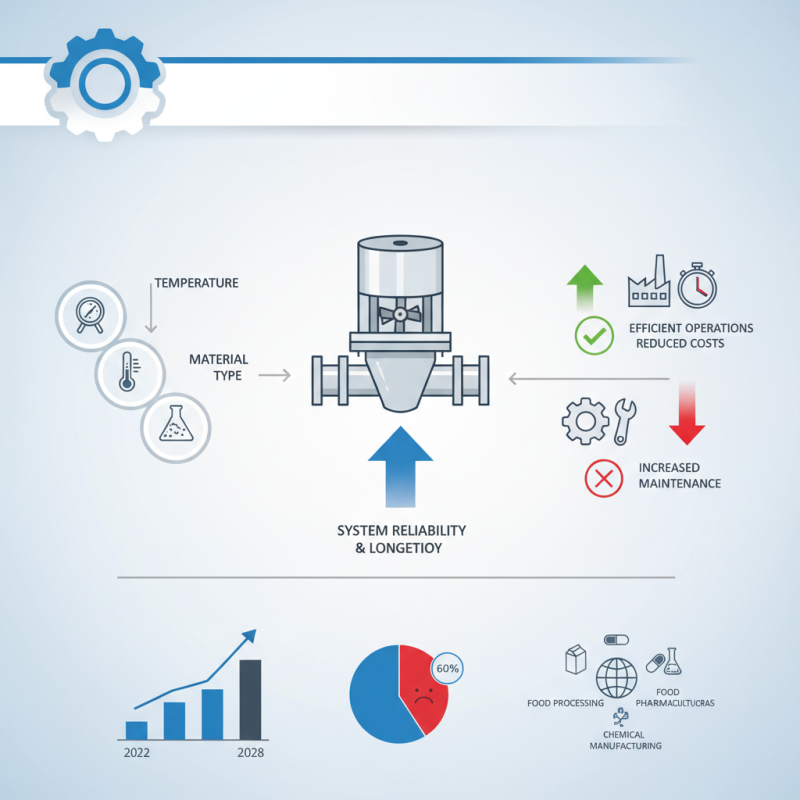
Selecting the appropriate rotary valves involves understanding specific operational requirements. Factors such as pressure, temperature, and material type influence valve performance. Many companies struggle with this decision. A study from TechSci Research cites that 40% of businesses experience inefficiencies due to improper valve choices. This can lead to operational delays or increased maintenance costs.
Experience and expertise are critical when navigating rotary valve selection. It’s not just about choosing any valve; it’s about matching the right valve to the unique demands of your system. Proper choices enhance system reliability and longevity. Misalignment can be costly, emphasizing the need for careful consideration during the selection process.
Understanding the Basics of Rotary Valves and Their Applications
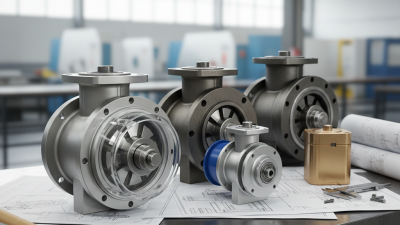
Understanding rotary valves begins with their design. These valves control the flow of materials in various industries. They can handle solids, liquids, and gases. Knowing the material type is crucial. Different applications demand different valve materials and configurations.
Rotary valves find use in food processing, chemical handling, and wastewater management. Their functionality relies on the accurate sealing of passages. Over time, users may experience leaks or wear. This prompts a need for frequent inspections. It's vital to recognize these issues early to maintain efficiency.
When choosing a rotary valve, consider the pressure and temperature limits. Each valve type has specific tolerances. The size and type of material being handled directly impact performance. Flaws in selection can lead to operational delays. It's essential to reflect on past choices to make improvements.
Identifying Your Specific Needs and Requirements for Rotary Valves
When selecting rotary valves, it is crucial to identify your specific needs. Different industries have unique requirements. For example, food processing demands high hygiene standards. In contrast, chemical industries require valves that withstand harsh chemicals. According to a survey by the Fluid Power Journal, 65% of companies reported that improper valve selection led to operational inefficiencies.
Consider both the material compatibility and the operating environment. The right valve material prevents corrosion and ensures longevity. Reports indicate that using the wrong materials can reduce a product's lifespan by 30%. Additionally, temperature and pressure ratings must be assessed. Not many know that operating outside specified parameters can result in valve failures, leading to costly downtime.
Every application has its nuances. Some may prioritize flow control, while others focus on sealing capabilities. Understanding the technical specifications is vital. Engaging with experienced professionals can provide insights, but not all advice may be relevant or reliable. The learning curve in rotary valve selection often reveals that prior assumptions can lead to misapplication, making a thorough analysis essential.
Evaluating Different Types of Rotary Valves Available in the Market
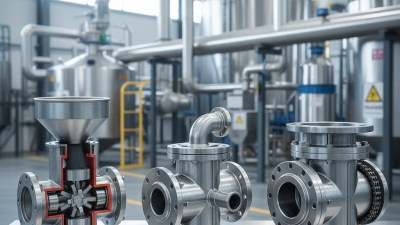
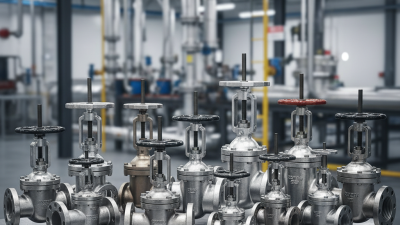
When selecting rotary valves, understanding the variety available is crucial. These valves come in several types, including slide, butterfly, and plug designs. Each type serves distinct applications. A report by MarketsandMarkets states that the global rotary valve market is projected to grow at a CAGR of over 4.5% by 2025. This indicates a rising demand for suitable valve solutions across various industries.
Evaluating rotary valves involves considering material compatibility, pressure ratings, and operational efficiency. For instance, stainless steel valves are often preferred for their corrosion resistance in food processing. Recent findings show that 35% of manufacturers faced unplanned downtime due to valve failures. This statistic highlights the need to choose valves that can withstand specific operational stresses.
Additionally, it's important to assess the intended application. Incorrect valve types can lead to inefficiencies. For example, using a low-pressure rotary valve in a high-pressure system can cause serious operational risks. Understanding your needs and the valve's specifications is critical. This diligence can prevent costly mistakes and improve overall system performance.
Considering Material and Design Factors for Optimal Performance
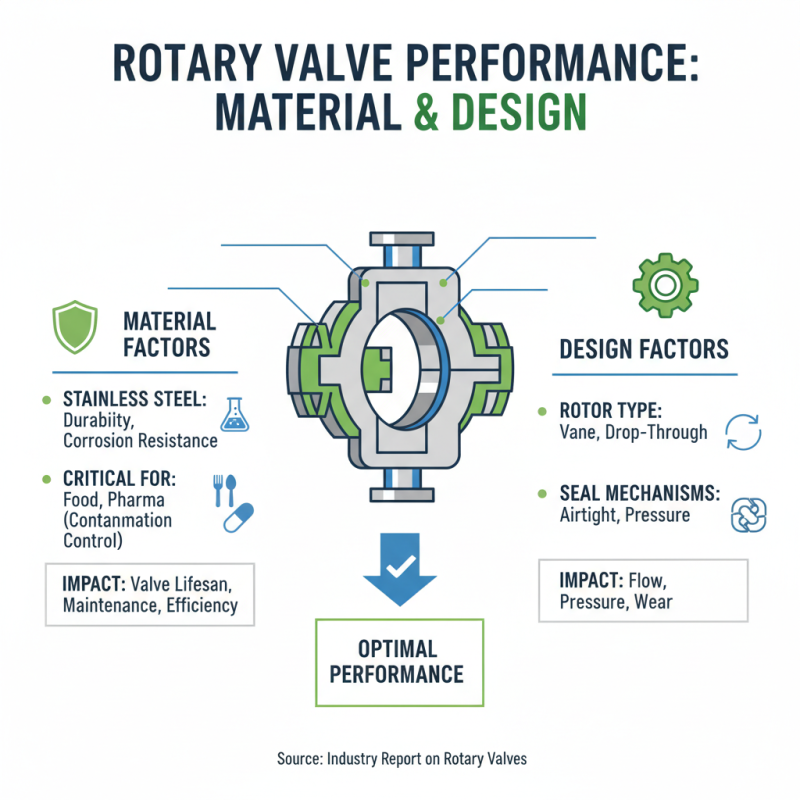
When selecting rotary valves, material and design play crucial roles in their performance. According to a recent industry report, materials like stainless steel provide excellent durability and corrosion resistance. This is vital in industries like food processing and pharmaceuticals, where contamination control is essential. The right material choice can impact the lifespan of the valve, affecting maintenance costs and operational efficiency.
Design factors also significantly influence valve performance. A well-designed rotary valve ensures proper flow and minimizes leakage. Research indicates that valves with smooth internal surfaces reduce wear and tear. Additionally, valve sizes must match the specific application to maintain optimal pressure and flow rates. A mismatch can lead to inefficiencies, compromising system reliability.
Many users overlook the importance of specific design features, such as anti-static properties or temperature ratings. Not considering these can lead to serious operational issues. Some are drawn to lower-cost options, neglecting durability and performance. This can result in frequent replacements and downtime, impacting overall productivity.
Assessing Maintenance and Cost Considerations for Long-term Use
When choosing rotary valves, maintenance and cost are critical factors. These components play a vital role in various industries, from food processing to chemical production. Understanding their long-term implications on your operations is essential.
Routine maintenance is necessary for the longevity of rotary valves. Keeping them clean reduces wear and tear. However, the process requires time and resources. Consider implementing a regular schedule to inspect each valve. This can prevent costly breakdowns in the future.
**Tips:** Use a lubrication chart to help track maintenance cycles. This ensures you don’t overlook any measures. Invest in training for your staff so they understand valve operation. A well-informed team can detect issues early.
Cost is another factor to weigh. While cheaper options may seem attractive, they might need more repairs. Evaluate the total cost of ownership rather than just the purchase price. Sometimes, spending a little more upfront can save significant costs later.
**Tips:** Calculate the lifespan of potential valves before buying. Ensure that your choice aligns with industry standards to guarantee reliability. A poor choice can mean frequent replacements and higher operational costs.
How to Choose the Right Rotary Valves for Your Needs? - Assessing Maintenance and Cost Considerations for Long-term Use
| Valves Type |
Material |
Maintenance Frequency (Months) |
Initial Cost ($) |
Estimated Lifetime (Years) |
Average Repair Cost ($) |
| Standard Rotary Valve |
Cast Iron |
12 |
200 |
10 |
50 |
| High Pressure Rotary Valve |
Stainless Steel |
6 |
400 |
15 |
80 |
| Food Grade Rotary Valve |
Food-Grade Plastic |
9 |
300 |
8 |
60 |
| Electric Rotary Valve |
Aluminum |
15 |
350 |
12 |
70 |
| Pneumatic Rotary Valve |
Bronze |
18 |
500 |
20 |
100 |