What is a Brass Valve and How Does It Work?
Brass valves are essential components in various plumbing and industrial systems. Their durability and resistance to corrosion make them a preferred choice among professionals. These valves control the flow of liquids and gases, ensuring precise regulation.
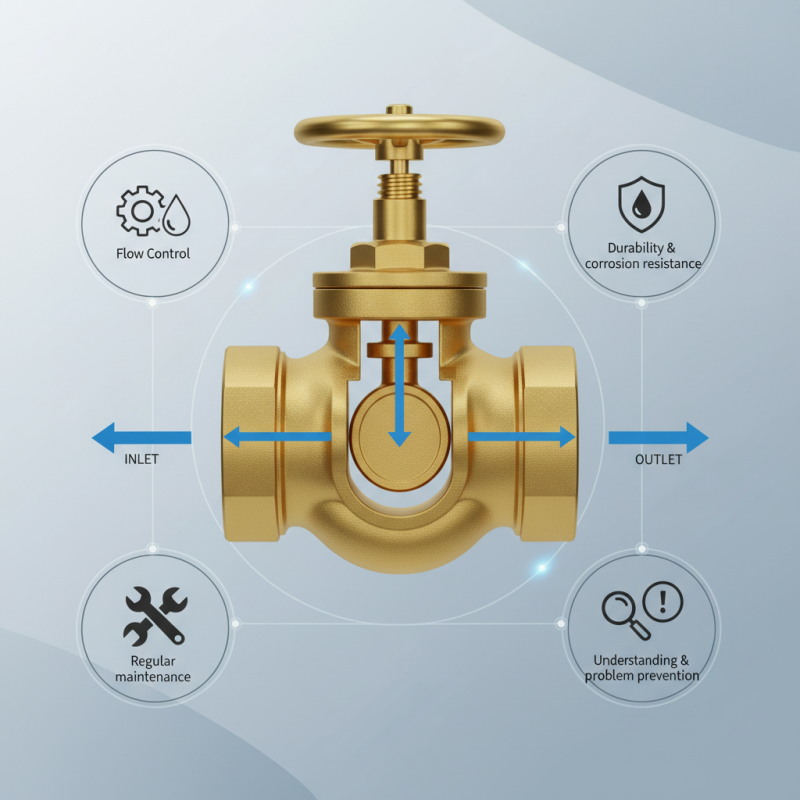
Understanding how a brass valve works is crucial for effective system management. It relies on a simple mechanism—opening and closing to allow or restrict flow. Each valve is designed for specific applications, influencing its shape and size.
Despite their reliability, brass valves are not infallible. Regular maintenance is key to ensuring optimal performance. Users must be aware of potential wear and tear over time. This awareness can prevent unexpected failures and costly repairs. Therefore, knowledge of brass valves is not just advantageous but necessary for anyone working in relevant fields.
What is a Brass Valve?
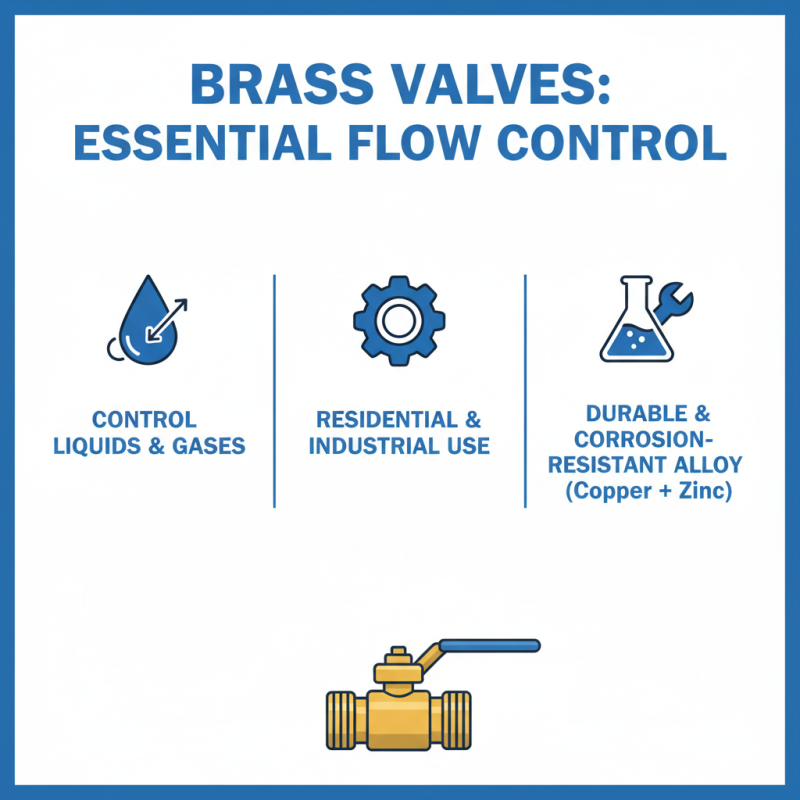
Brass valves are essential components in various piping systems. They control the flow of liquids and gases in residential and industrial applications. Made from an alloy of copper and zinc, brass valves offer durability and resistance to corrosion. These features make them ideal for use in plumbing and heating systems.
The mechanism behind a brass valve is straightforward. When turned, the handle opens or closes the valve, regulating flow. However, improper installation can lead to leaks or failures. It's crucial to ensure that the valve is suited for the specific application. Sometimes, users may overlook the importance of maintaining these valves. Regular checks can prevent issues from escalating.
Brass valves come in different designs, including ball, gate, and globe valves. Each serves a distinct purpose. Understanding these differences can help users select the right valve for their needs. However, the abundance of choices might overwhelm some. Researching and consulting professionals can clarify the best options available.
Key Components of a Brass Valve
Brass valves play a crucial role in fluid control systems. Understanding their key components can help users appreciate their function. The main parts include the body, the bonnet, and the actuator. The body houses the flow pathway, while the bonnet secures internal components. Actuators control the valve's opening and closing.
Seals and seats are also crucial. They prevent leaks and ensure a tight shut-off. Common materials for seals include rubber and Teflon, which resist wear and corrosion. It’s essential to select high-quality components for durability. A flawed seal can lead to unwanted leaks.
Another component is the stem, connecting the actuator to the flow mechanism. The stem's design impacts the valve's responsiveness. A poorly designed stem may cause delays or inconsistent operation. Regular inspection of these components can prevent operational failures. Users should remain vigilant about any signs of wear or malfunction.
What is a Brass Valve and How Does It Work? - Key Components of a Brass Valve
| Component |
Description |
Function |
| Body |
The main part of the valve that contains the flow passage |
Houses all other components and directs fluid flow |
| Bonnet |
The upper part of the valve that covers the opening |
Allows access to internal components for maintenance |
| Seat |
The surface where the valve plug or disc rests |
Provides a seal when the valve is closed |
| Disc/Plug |
The moving element that controls flow |
Opens or closes the flow passage |
| Actuator |
The mechanism that moves the disc/plug |
Allows for manual or automatic control of the valve |
How Brass Valves Function Mechanically
Brass valves are essential components in many mechanical systems. Understanding their mechanical function can help industries optimize performance. Brass, an alloy of copper and zinc, offers durability and resistance to corrosion. These properties make it ideal for various applications, notably in plumbing, heating, and industrial processes.
Mechanically, a brass valve operates using a simple yet effective system. When pressure is applied, the valve opens or closes, regulating fluid flow. According to a recent industry report by Market Research Future, the global valve market is projected to reach $90 billion by 2026. This growth underscores the importance of reliable valve mechanisms in sectors like oil and gas, water management, and manufacturing.
The design of brass valves often includes features like O-ring seals and threaded connections. However, not all brass valves perform perfectly. Some may develop leaks over time due to wear or improper installation. Regular maintenance is crucial. The incidence of valve failure can reach 10% in some systems, impacting efficiency and leading to costly repairs. Understanding these mechanical functions can help engineers address weaknesses and improve overall system reliability.
Common Types of Brass Valves and Their Applications
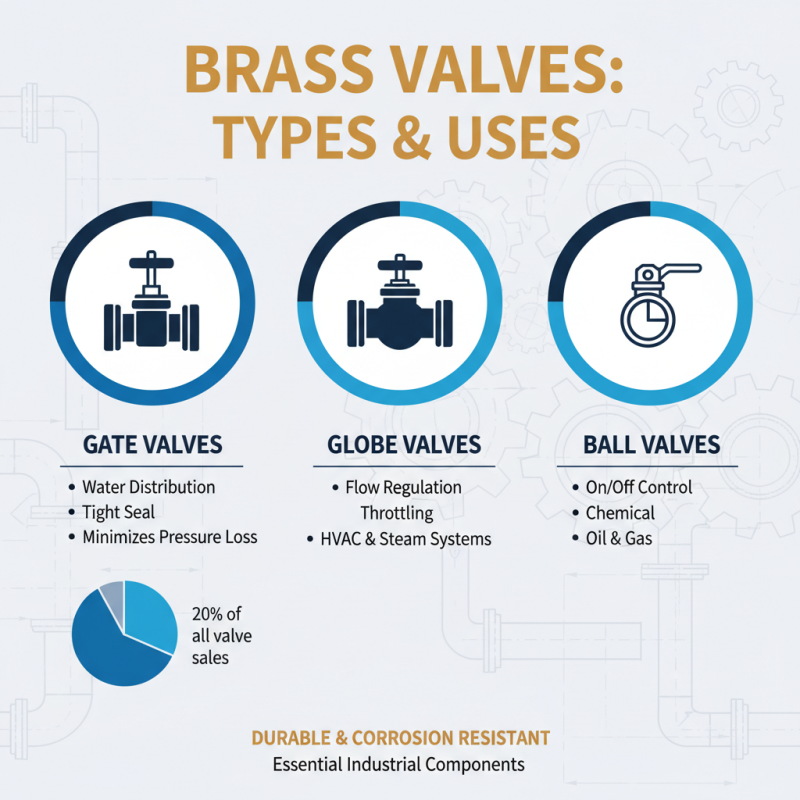
Brass valves are essential components in various industries due to their durability and corrosion resistance. There are several common types of brass valves, each suited for specific applications. Gate valves are widely used in water distribution systems. They provide a tight seal and minimize pressure loss. According to industry reports, about 20% of all valve sales are gate valves, highlighting their significance.
Another prevalent type is the globe valve, which excels in regulating flow. These valves are commonly found in HVAC systems and power plants. Research shows that globe valves account for nearly 25% of the market share continuously. Their design allows for precise control of fluid flow, making them a preferred choice for many engineers.
Ball valves are also prominent in fluid control systems. They offer quick shut-off capabilities and reduce flow resistance. In industries like oil and gas, ball valves are crucial for safety and efficiency. However, users must regularly check these valves for wear. Failure to maintain them can lead to leaks. Data indicates that improper maintenance can cause delays in operations, affecting overall productivity.
Advantages of Using Brass Valves in Plumbing Systems
Brass valves have gained popularity in plumbing systems due to their numerous advantages. One significant benefit is their durability. Brass is resistant to corrosion, making it suitable for various environments. According to industry studies, brass valves can last up to 50 years with proper maintenance. This longevity reduces the frequency of replacements, which can save costs in the long term.
Another advantage is the reliability of brass valves in high-pressure applications. They can handle substantial stress, making them ideal for severe conditions. Reports indicate that brass valves maintain structural integrity well under pressure, often exceeding specifications. However, it’s essential to consider the installation process; improper fitting can lead to leaks or malfunctions.
Furthermore, brass valves are easy to operate and maintain. Their design allows for easy manipulation, ensuring smooth flow control. However, the initial cost might be higher than plastic alternatives. Despite this, the investment often pays off due to minimized failures and replacements. It's crucial to weigh the benefits against potential drawbacks, maintaining focus on long-term reliability in plumbing systems.
Brass Valves: Advantages and Performance in Plumbing Systems