Please upgrade your web browser now. Internet Explorer 6 is no longer supported.>

Who Are the Best China Pneumatic Control Valve Suppliers?

Choosing among China’s pneumatic control valve suppliers requires more than comparing catalog prices. A reliable supplier should prove engineering capability, production consistency, and field support. The best choice depends on your medium, pressure range, temperature, actuator type, and control accuracy. It is not always the largest factory.

Dr. Peter Beater, a respected pneumatic systems researcher and author, observed, “Pneumatic systems reward simplicity, but punish careless design.” This principle applies directly to every pneumatic control valve project. A polished website proves little. Ask for material certificates, pressure-test records, leakage results, and calibration procedures. Request samples when the application is critical. Inspect the valve body, seals, positioner, and air connections closely. Small details matter.

Strong Chinese suppliers usually maintain traceable production records and documented quality systems. They can explain how stainless steel, brass, or alloy components suit different environments. They should also discuss response time, Cv selection, fail-safe operation, and maintenance access without hiding behind technical language. On-site audits can reveal practical weaknesses, such as poor storage or inconsistent assembly. Yet supplier evaluation is never perfect. Documents may look complete while service remains slow after delivery. That risk deserves attention.

Look for manufacturers with verifiable export experience, responsive engineers, and clear warranty terms. Independent testing can strengthen confidence. So can conversations with existing users. The “best” supplier is therefore not a universal winner. It is the company that reliably matches your process requirements, budget, and risk tolerance. Careful comparison may feel slower, but one rushed purchase can cost far more.

Who Are the Best China Pneumatic Control Valve Suppliers?

What Is a Pneumatic Control Valve and How Does It Work?

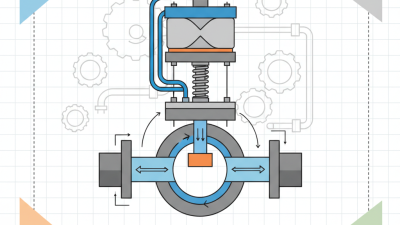
A pneumatic control valve regulates fluid flow by converting air pressure into mechanical movement. It can adjust water, steam, gas, or chemical flow inside a process line. The valve body contains a passage and a movable plug, ball, or disc. An actuator moves this element when compressed air enters its chamber. More air pressure usually creates more movement. Not always.

A controller measures a process value, such as temperature or tank level. It compares that value with the target setting. Then, it sends a pneumatic signal to the actuator or valve positioner. The positioner helps the valve reach the requested opening accurately. If the signal changes, the valve responds by throttling flow rather than simply opening or closing. In practical testing, response speed, air leakage, and stable movement matter greatly. A clean diagram cannot reveal every field problem.

When assessing pneumatic control valve suppliers in China, request pressure tests, material certificates, calibration records, and clear actuator specifications. Confirm the valve’s flow coefficient, operating temperature, connection standard, and fail-safe position. A spring-return actuator may close the valve during air loss, depending on the process risk. Supplier documentation should match the delivered unit, not merely a sales sample. I have found that small details, such as poor tubing fittings or unclear inspection records, can create larger maintenance issues later. Reliability needs evidence.

What Criteria Define the Best China Pneumatic Control Valve Suppliers?

The best China pneumatic control valve suppliers are defined by evidence, not polished catalogs. In real plant projects, engineers inspect valve sizing, actuator torque, air quality, and process temperature before accepting a quotation. A serious supplier asks for pressure range, media details, flow data, and failure position. Vague answers signal risk. They should explain how the selected Cv value supports stable control, not merely maximum flow. Field experience matters here. A valve that performs well on a test bench may hunt in a steam line.

Material selection must match service conditions. Stainless steel may suit corrosive fluids, while hardened trim can handle abrasive media. Suppliers should provide pressure tests, leakage results, calibration records, and traceable material certificates. Independent or recognized quality systems add credibility, but certificates alone prove little. Ask to review sample reports. Pneumatic actuators need verified stroke times, torque margins, and spring-return behavior. Testing should reflect operating pressure, temperature, and cycling frequency. This is where many comparisons become shallow.

Reliable suppliers communicate clearly after delivery. They should offer installation drawings, maintenance intervals, spare-part lists, and practical troubleshooting support. Response time matters when a valve sticks during a night shift. Secure packaging, serial-number tracking, and documented final inspection also reveal process discipline. A factory visit or live video inspection can expose useful details, such as clean assembly areas and calibrated instruments. No supplier is flawless. I would still question unclear tolerances, delayed answers, or promises without test data. A lower price can hide shorter actuator life, poor seals, or difficult replacement work.

Who Are the Best China Pneumatic Control Valve Suppliers? - What Criteria Define the Best China Pneumatic Control Valve Suppliers?

China Pneumatic Control Valve Supplier Evaluation Matrix
Evaluation Dimension Recommended Benchmark Evidence to Request Suggested Weight Why It Matters
Quality Management A documented quality management system certified to ISO 9001 by an accredited certification body Valid certificate, scope of certification, audit status, and corrective-action records 15% Reduces process variation and supports consistent product quality.
Valve Performance Performance testing aligned with applicable IEC 60534 requirements for industrial-process control valves Flow coefficient data, leakage classification, pressure-rating documentation, and test reports 15% Confirms that the valve can meet the required flow, shutoff, and control duties.
Actuator Compatibility Correct torque sizing with an appropriate safety factor across the complete operating range Torque calculation, actuator sizing sheet, air-consumption data, and mounting-interface details 12% Prevents incomplete stroking, excessive wear, and unreliable fail-action performance.
Material Selection Valve-body, trim, seal, and actuator materials selected for the medium, temperature, pressure, and corrosion conditions Material certificates, seal-temperature range, corrosion-resistance information, and chemical compatibility data 10% Improves service life and minimizes leakage or premature component failure.
Product Range Suitable options for required valve types, sizes, pressure classes, connection standards, and control signals Current product catalogue, dimensional drawings, technical datasheets, and configuration list 8% Simplifies standardization and reduces integration effort across projects.
Traceability and Testing Every production unit should be identifiable and subjected to documented inspection and functional testing Serial-number system, inspection plan, pressure-test records, calibration certificates, and final test reports 10% Makes quality issues easier to investigate and supports reliable acceptance procedures.
Customization Capability Ability to provide customized materials, trim characteristics, actuator packages, accessories, and control configurations Engineering drawings, design-change procedure, sample project documentation, and technical support contacts 8% Helps match the valve assembly to demanding or non-standard applications.
Delivery Reliability Clearly defined production lead times, realistic capacity planning, and dependable export documentation Lead-time record, production schedule, packing specification, shipping documents, and on-time delivery history 8% Reduces project delays and improves maintenance-parts availability.
After-Sales Support Responsive technical support, spare-parts availability, warranty terms, and troubleshooting procedures Warranty policy, spare-parts list, response-time commitment, manuals, and commissioning support process 7% Limits downtime and protects the total cost of ownership after installation.
Compliance and Documentation Complete technical documentation and conformity information relevant to the destination market and application Declarations, certificates, installation manuals, operation instructions, drawings, and compliance statements 7% Supports engineering approval, safe installation, commissioning, and regulatory review.
Total Suggested Evaluation Weight 100% Select suppliers that provide verifiable evidence for the highest-priority criteria.
Selection Principle: The best supplier is not determined by price alone. A qualified supplier should demonstrate verified quality controls, technically suitable valve and actuator combinations, complete documentation, reliable delivery, and effective after-sales support for the intended application.

Which China Suppliers Are Notable for Product Quality and Range?

When comparing China pneumatic control valve suppliers, product quality starts long before shipment. Experienced buyers inspect production records, material certificates, and pressure testing procedures. A reliable supplier can explain valve body materials, actuator torque, seal selection, and temperature limits without vague promises. Factory audits also reveal practical details, such as clean assembly areas, calibrated test equipment, and traceable batch numbers. These details matter when valves operate in dusty plants or humid coastal facilities.

Product range is equally important. Notable suppliers usually offer butterfly, ball, globe, and diaphragm control valves, with pneumatic actuators in several torque classes. They may support threaded, flanged, wafer, or sanitary connections. Options for positioners, limit switches, solenoid valves, and manual overrides can simplify system integration. However, a large catalog does not prove technical strength. I once reviewed a supplier with many listed models but limited testing evidence. That gap deserved attention.

Ask for drawings, flow data, leakage grades, and sample test reports. Confirm whether custom dimensions require new tooling or only minor adjustments. Response quality is another useful signal. Technical staff should identify an undersized actuator before production, not after installation. No supplier is perfect. Documentation may contain small errors, and delivery estimates can change. Careful buyers leave room for verification, corrective samples, and realistic inspection time.

How Do Chinese Suppliers Compare in Certification, Customization, and Support?

Choosing among China pneumatic control valve suppliers requires more than comparing unit prices. Certification is a useful starting point, but it needs careful verification. Reliable suppliers should provide current quality certificates, product test records, material traceability, and documents matching the actual valve model. CE or other market approvals may apply differently by application and destination. A certificate alone is not enough.

Customization often reveals a supplier’s real engineering ability. Ask whether the team can adjust valve size, body material, seal type, actuator torque, air connection, flow coefficient, and fail-safe position. Detailed drawings should show these choices clearly. Sample testing is valuable, especially when the valve will face corrosive media, frequent cycling, or unstable temperatures. Small details matter. A rushed specification can still create trouble.

Support should continue after shipment. Strong suppliers usually offer technical drawings, installation guidance, troubleshooting, spare-part planning, and defined response times. Factory acceptance testing can include leakage checks, travel verification, and actuator performance records. Communication quality matters too. Clear English helps, but technical accuracy matters more. Some suppliers respond quickly yet provide vague answers. That is a warning sign. Others may have excellent workshops but weak documentation, which also creates risk. Buyers should compare evidence, not promises, and keep a written record of every agreed parameter.

How Can Buyers Select the Right China Pneumatic Control Valve Supplier?

Selecting the right China pneumatic control valve supplier requires more than comparing quotations. MarketsandMarkets’ 2024 industry report estimates the global pneumatic control valve market at roughly USD 8 billion in 2023, with growth near 6% annually through 2028. That expansion attracts capable factories and inexperienced traders. Buyers should verify production depth, not only online presentation.

Request ISO 9001 records, material certificates, pressure-test reports, and recent inspection data. Confirm whether the supplier controls machining, assembly, calibration, and final testing internally. Ask for a sample valve and examine its actuator response, leakage rate, surface finish, and labeling.

Test it cold. Small details matter. A supplier should provide measurable figures, such as response time, allowable temperature, air consumption, and service life. These specifications must match the actual application, including corrosive media, cycling frequency, pressure range, and local maintenance skills.

A 2024 analysis by Grand View Research also indicates steady growth in industrial valve demand, but market definitions differ between reports. Buyers should treat forecasts as direction, not proof. Factory audits remain valuable. Check calibration equipment, traceability records, spare-parts availability, and corrective-action procedures.

A low price may hide weaker alloys or inconsistent seals. One practical mistake is trusting a perfect sample without checking batch consistency. Request three production samples instead.

Review the contract carefully, including inspection rights, warranty limits, delivery tolerances, and technical-document requirements. Good communication is useful, but documented evidence is safer.