Top 10 Tips for Choosing the Right Pneumatic Valve?
Choosing the right pneumatic valve is crucial for efficient operations in various industries. Studies by the International Society of Automation show that valves account for a significant portion of system efficiency. In pneumatic systems, the wrong valve can lead to air leaks, increased downtime, and higher operational costs.
Pneumatic valves come in different types and sizes, each with specific applications. According to industry data, improper selection can increase maintenance costs by up to 30%. Users must consider factors such as pressure, flow rate, and size during selection. These aspects can greatly affect performance.
However, the selection process can be overwhelming. Many buyers may not have adequate information, leading to mistakes. It’s essential to rely on reliable sources and expert opinions. Ultimately, the right pneumatic valve can enhance productivity. It can also help avoid unnecessary expenses. Familiarizing yourself with key tips is essential in making informed choices.
Understanding the Different Types of Pneumatic Valves and Their Functions
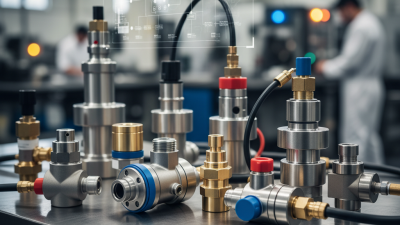
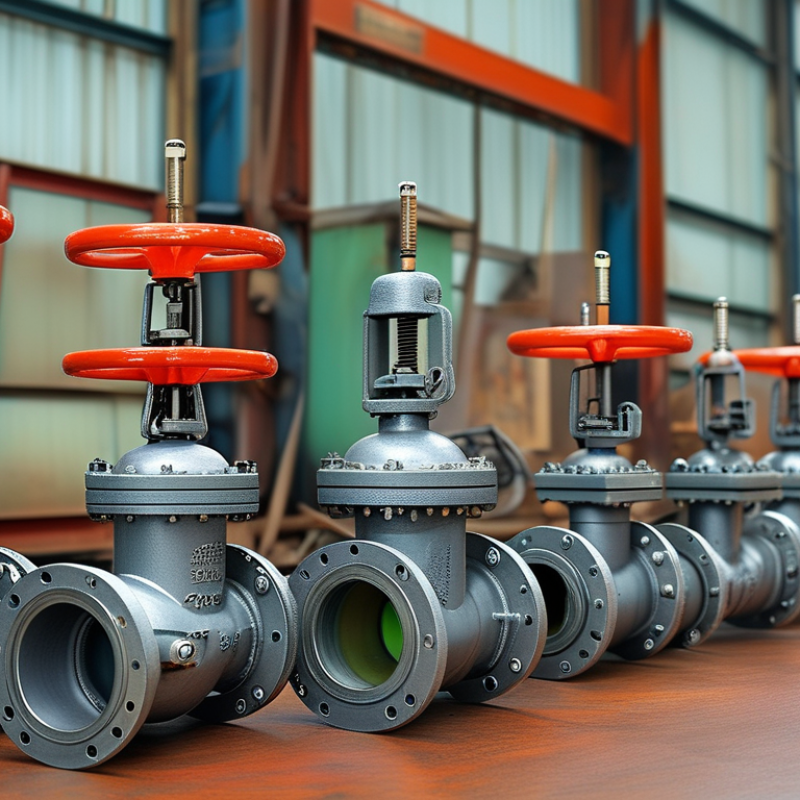
Choosing the right pneumatic valve requires a clear understanding of the various types available. Common types include shut-off valves, control valves, and check valves. Each serves a unique purpose in pneumatic systems. Shut-off valves isolate sections of the system, while control valves regulate airflow. Check valves, on the other hand, prevent backflow, protecting the system’s integrity. Knowing these functions helps in making an informed decision.
It’s crucial to consider the application requirements when selecting a valve. Factors like pressure rating, fluid compatibility, and response time significantly impact performance. Engineers often overlook how temperature fluctuations can affect materials over time. Making assumptions may lead to premature failures. Regular maintenance can ensure that valves function correctly and last longer. Understanding these nuances enhances the reliability of pneumatic systems.
The right choice of valve can optimize efficiency and safety. However, it's important to consult with experts or conduct thorough research before finalizing your decision. A misstep in selection can incur hidden costs or operational disruptions. Evaluating real-world performance data may provide insight into potential risks. Awareness of these factors fosters more responsible purchasing decisions in the long run.
Top 10 Tips for Choosing the Right Pneumatic Valve
| Tip Number |
Tip |
Description |
| 1 |
Determine the Application |
Understand the specific needs of your application to select the appropriate valve type. |
| 2 |
Know the Valve Types |
Familiarize yourself with different valve types, such as solenoid, check, and throttle valves. |
| 3 |
Assess Pressure Requirements |
Evaluate the pressure requirements to ensure the valve can operate under the set conditions. |
| 4 |
Consider Flow Rate |
Select a valve that supports the necessary flow rate for your application. |
| 5 |
Evaluate Temperature Conditions |
Ensure the valve can withstand the temperature range of your application. |
| 6 |
Check Compatibility with Media |
Make sure the valve material is compatible with the media it will be handling. |
| 7 |
Look for Safety Features |
Consider valves with built-in safety features to prevent malfunctions. |
| 8 |
Review Maintenance Requirements |
Choose valves that are easy to maintain for improved longevity. |
| 9 |
Consider System Design |
Ensure the valve fits well within the overall system design and available space. |
| 10 |
Consult with Professionals |
Seek advice from industry experts or professionals for tailored recommendations. |
Key Factors in Selecting Pneumatic Valve Materials for Durability and Performance
When selecting pneumatic valve materials, durability and performance are critical considerations. The material largely influences the valve's lifespan and its ability to withstand operating conditions. For example, an analysis by the International Society of Automation indicates that corrosion resistance is vital for enhancing operational reliability. Stainless steel is commonly favored for its robustness in harsh environments, but alternative materials like brass and polymer composites are also increasingly gaining traction due to their lightweight and cost-effective nature.
The operating temperature and pressure range must align with the selected material. Research shows that rubber and soft plastics, while generally less durable, can offer flexibility in lower-pressure applications. However, their performance may degrade rapidly under extreme conditions. Understanding these aspects can prevent failures and unexpected downtimes.
It's essential to balance cost against performance. While cheaper materials may save money upfront, they can lead to higher maintenance costs and replacements later. The complexity of pneumatic systems means that selecting the right material requires thorough analysis. Engage with industry reports and expert recommendations for informed decisions. Scrutiny of material choices can provide pathways to improved efficiency and longevity in pneumatic valve operations.
Top 10 Tips for Choosing the Right Pneumatic Valve
This chart illustrates the importance of various factors to consider when selecting the right pneumatic valve. Each factor is rated on a scale from 1 to 10, where a higher score indicates greater significance in ensuring durability and performance.
Analyzing Flow Coefficient (Cv) Values for Optimal Valve Sizing
When selecting a pneumatic valve, understanding flow coefficient (Cv) values is crucial for optimal valve sizing. Cv values determine how much fluid can flow through the valve at a given pressure drop. A higher Cv indicates greater flow capacity, which is essential for processes that require rapid fluid movement.
Analyzing Cv involves calculating the expected flow for your system. Consider your application’s demands. If the flow rate is too high, it may cause excessive noise and wear. Low flow rates might lead to insufficient control and inefficiency. Balancing these factors is key to effective valve selection.
Evaluate your system’s pressure and the type of fluid involved. Tips to consider include assessing the installation environment, ensuring compatibility with the existing system, and examining maintenance requirements. Sometimes, it’s necessary to consult with an expert to navigate complex systems. Keep in mind that even minor mistakes in valve sizing can lead to operational problems and increased costs.
Evaluating Operating Pressure and Temperature Range in Valve Selection
When selecting a pneumatic valve, understanding the operating pressure and temperature range is crucial. Each application has its specific requirements. A valve operating outside its specified pressure can fail or wear out quickly. Similarly, temperature variations influence the material and function of the valve. Always check the manufacturer’s data sheets to ensure you stay within safe limits.
Evaluating pressure ratings should involve more than just numbers. Consider the maximum and minimum pressures your system may encounter. Look for valves that can handle unexpected spikes in pressure. Temperature also plays a critical role. Some materials perform well in low temperatures, while others excel under high heat. Choose a valve that maintains stability across your operating range.
A common pitfall is underestimating the environment where the valve will operate. High humidity and corrosive substances can affect valve performance. Regular maintenance and monitoring are essential for longevity. Consider these factors carefully during selection. It’s not just about finding the right fit, but ensuring it performs effectively over time.
Importance of Valve Actuation Method for Efficiency in Automation Systems
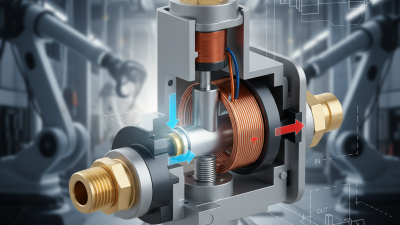
Selecting the right pneumatic valve is crucial in optimizing automation systems. One critical aspect is the valve actuation method. Different methods, like solenoid, pneumatic, or manual actuation, affect efficiency and performance directly. A report from the International Society of Automation indicates that proper actuation choices can enhance system efficiency by up to 30%. This statistic emphasizes the need for thorough evaluation.
Moreover, the type of actuator affects responsiveness. Pneumatic actuators generally provide faster reaction times compared to electric options. According to a recent survey, 65% of automation professionals pointed out that a quicker response time positively influences overall productivity. The right actuator must align with specific application needs, ensuring reliability.
However, not every actuation method suits all situations. Some automated processes may experience delays due to actuator limitations. A misalignment in choosing valves can lead to considerable inefficiencies, highlighting a need for a careful selection process. The challenge lies in striking a balance between speed and precision without overcomplicating the system. Understanding the specific requirements of your application can lead to better outcomes.