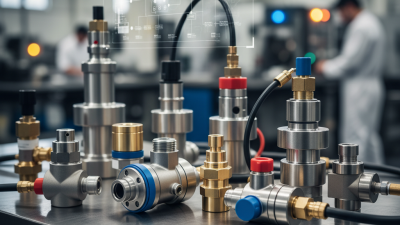
7 Best High Temperature Solenoid Valves for Global Buyers
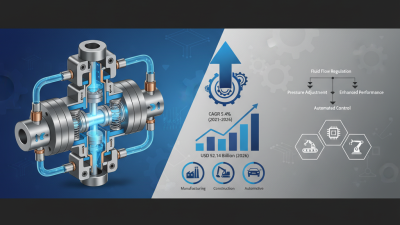
Industrial automation is demanding more from fluid-control components. Higher temperatures, tighter production cycles, and expensive downtime make valve selection increasingly important. MarketsandMarkets’ 2023 Solenoid Valve Market report projects continued market growth through 2028, driven by process automation, manufacturing, and energy applications. The report also highlights reliability and response time as important purchasing factors.
A high temperature solenoid valve must tolerate more than a hot pipeline. Buyers should examine coil insulation, seal material, pressure limits, media compatibility, switching frequency, and heat transfer through the valve body. In practical installations, a valve near a furnace may face radiant heat, vibration, and sudden temperature changes. These conditions can reduce seal life, even when the datasheet appears suitable. That detail is easy to miss.
This guide reviews seven high-temperature solenoid valves for global buyers. The comparison considers temperature ratings, construction materials, connection options, maintenance needs, supplier documentation, and application suitability. It also refers to recognized technical practices, including ISO quality principles and applicable IEC, UL, CE, or regional requirements. Certifications must still be verified for the destination market.
There is no flawless choice.
A valve rated for 200°C may not perform safely in every 200°C application. Continuous exposure, cycling speed, ambient temperature, and fluid chemistry can change the result. Manufacturers sometimes present maximum ratings without explaining derating conditions. Buyers should question those limits and request test data when possible. This approach supports more reliable decisions across steam, thermal oil, chemical processing, compressed air, and industrial heating systems.
What Defines a High-Temperature Solenoid Valve?
What Defines a High-Temperature Solenoid Valve?
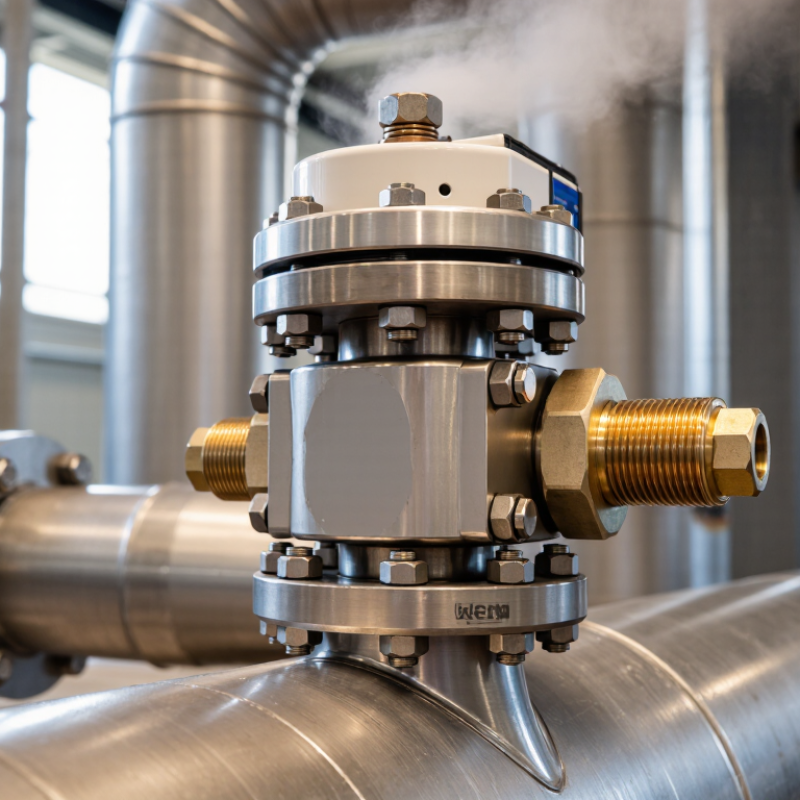
A high-temperature solenoid valve is designed to control fluid flow under sustained heat. Its definition involves more than a high temperature number. Engineers assess the valve body, seals, plunger, spring, coil, and insulation as one working system. A valve rated for 200°C may still fail if its seal material softens or its coil overheats. Temperature ratings must match the actual medium, pressure, and duty cycle.
Material selection is critical. Stainless steel bodies often resist oxidation and thermal stress in demanding service. Metal seals can tolerate heat better than common elastomers, but they may require cleaner surfaces and tighter installation control. The coil should remain separated from the hottest zone whenever possible. Proper insulation protects wiring and reduces heat transfer. Small details matter.
In practical evaluations, I check the temperature at the valve surface, not only the stated process temperature. Ambient heat, vibration, back pressure, and frequent switching can change performance. A valve may pass a short test and fail during continuous operation. That is an uncomfortable limitation, but it deserves attention. Buyers should review pressure-temperature curves, leakage data, response time, and material compatibility before ordering. Independent test records and traceable quality checks provide stronger evidence than a sales description alone. Installation errors remain common, especially when operators ignore cooling distance or select unsuitable seals.
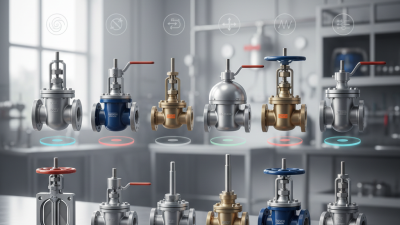
Seven Leading High-Temperature Solenoid Valve Options
Selecting a high-temperature solenoid valve requires more than checking the maximum temperature. Heat changes everything. Seal material, coil insulation, pressure, and cycling frequency all affect service life. In field inspections, I look for clear test records, traceable materials, and practical maintenance access.
The first leading option is a stainless-steel valve with a graphite-based seal for hot gas lines.
The second uses a ceramic seat for strong resistance to thermal wear.
The third combines a remote-mounted coil with an extended stem, reducing heat exposure to electrical parts.
The fourth is a compact brass-body design for moderate-temperature water and oil systems. It saves space, but its temperature margin may be limited.
The fifth option features a high-temperature fluoropolymer seal for compatible chemical processes. Material compatibility must be confirmed carefully.
The sixth uses a normally closed configuration for emergency isolation and controlled shutdowns.
The seventh is a pilot-operated valve designed for stable flow in larger pipelines.
Global buyers should compare pressure ratings under actual temperatures, not room-temperature figures. Ask for cycle-test data, insulation ratings, and dimensional drawings before ordering. A valve that works at 300°C may fail sooner when cycling between 80°C and 280°C. I have seen specifications look impressive while installation details remained vague. That is a warning sign. Check wiring protection, replacement seals, and local service capability. Temperature ratings are not always comparable across suppliers. Need better documentation sometimes.
How to Compare Valve Materials, Ratings, and Media Compatibility
7 Best High Temperature Solenoid Valves for Global Buyers
Choosing a high-temperature solenoid valve starts with the media, not the price. Steam, thermal oil, dry air, and corrosive gases can require different internal materials. Stainless steel bodies resist oxidation and many chemicals. Brass may suit cleaner, lower-corrosion systems, but its temperature limits need careful checking.
Seal selection is equally important. PTFE handles high heat and many aggressive fluids, though it may respond slowly after repeated thermal cycling. FKM performs well with oils and fuel-related media, but it is not ideal for every steam application. EPDM suits hot water and some steam systems, yet it can swell when exposed to certain oils. Compatibility charts help. Real operating data helps more.
Check the valve’s maximum temperature, pressure range, and minimum differential pressure. A valve rated for 200°C may still fail if the pressure exceeds its rating at that temperature. Small orifices can restrict flow. Large orifices may need stronger coils and cleaner media. I have seen buyers compare only the body rating and overlook the seal rating. That mistake is expensive.
Ask suppliers for test reports, material certificates, coil insulation details, and traceable batch records. Confirm thread or flange standards before ordering across borders. Also check voltage frequency, enclosure protection, and spare seal availability. Certification markings matter, but they should match the installation environment. A technically impressive valve can still be the wrong choice.
7 High-Temperature Solenoid Valve Configurations for Global Buyers
Comparison of representative maximum temperature and pressure ratings by valve material, seal material, and typical media compatibility.
Stainless steel bodies generally provide broader chemical and thermal resistance than brass. PTFE, FKM, EPDM, PEEK, and graphite seals have different limits: EPDM is commonly selected for hot water and steam, FKM for oils and dry air, PTFE for aggressive chemicals, and graphite for higher-temperature steam service. The values shown are representative engineering ratings for generic valve configurations; actual limits depend on construction, duty cycle, pressure differential, coil temperature, and the specific medium.
Global Standards, Certifications, and Sourcing Considerations
Choosing among the 7 best high temperature solenoid valves requires more than comparing maximum temperature figures. Global buyers should verify the valve’s pressure rating, coil insulation class, seal material, response time, and rated duty cycle. A valve marked for 200°C may only reach that limit with specific media, mounting, or ambient conditions. This detail is often missed.
Certification requirements depend on the installation country and application. Check whether the supplier provides a Declaration of Conformity, CE or UKCA documentation, pressure equipment evidence, and relevant electrical test reports. For hazardous locations, confirm IEC 60079 compliance and the exact protection method. An ISO 9001 certificate supports process control, but it does not prove that every valve suits your system. Ask for material traceability, batch testing, and clear serial-number records.
Tips: Request a sample valve before bulk purchasing. Test it with your actual fluid, temperature cycle, and supply voltage. Review the IP rating under real cleaning conditions. Also, confirm spare coils and seal kits before signing a long-term contract. A lower purchase price can become expensive when replacement parts cross borders slowly. I have seen technically strong valves fail procurement reviews because certificates were outdated or written for another model. The uncomfortable lesson is simple: documentation must match the exact part, not merely the product family.
Installation, Maintenance, and Buyer Selection Checklist
Installing a high-temperature solenoid valve starts with the medium, pressure, temperature, and cycle rate. Confirm the valve rating exceeds the real process temperature, not only the advertised average. Check pipe size, flow direction, port threads, voltage, and coil insulation before ordering. Keep the coil away from direct radiant heat. Use a suitable gasket, align the pipe carefully, and avoid twisting the valve body during tightening. A small misalignment can create a persistent leak.
Maintenance should follow operating hours, not guesswork. Inspect seals, wiring, mounting bolts, and connector damage during scheduled shutdowns. Remove dust and residue from the coil housing with approved methods. Never cool a hot valve suddenly with water. Record opening response, operating temperature, pressure, and unusual noise. Slow movement may indicate contamination, weak voltage, or a hardened seal. The checklist is not perfect. Site conditions still require judgment.
For buyer selection, compare seven details: maximum temperature, pressure range, compatible media, body material, seal material, coil voltage, and fail position. Then review response time, expected duty cycle, connection standards, test records, spare-part access, and technical support. Ask for clear dimensional drawings and verified performance data. A cheaper valve may cost more after repeated shutdowns. Verify regional electrical requirements before shipment. Do not assume identical specifications mean identical service life.