Choosing the right motorized valve actuator can be a daunting task. With numerous options available, how do you ensure you make the best decision? The importance of a suitable actuator is paramount in maintaining system efficiency and reliability. An incorrect choice can lead to operational inefficiencies and increased costs.
Understanding your specific needs is crucial. Each application has unique requirements—pressure ratings, response times, and environmental factors. Take your time to analyze these elements. It's tempting to choose based solely on price or brand reputation, but this may not always lead to the best outcome.
Expert insights point to the significance of selecting a motorized valve actuator that aligns with both functionality and performance. Look for robust materials that ensure durability and long-term success. Gathering information from reliable sources can help refine your choices. Keep your goals in mind as you navigate the selection process. This thoughtfulness can prevent future complications and foster better decision-making.
Motorized valve actuators play a crucial role in fluid control systems. These devices convert electrical energy into mechanical motion. They open or close valves based on signals received from various controls. Understanding their basics is key to making informed decisions.
When selecting a motorized valve actuator, consider the type of valve. Not all actuators are compatible with every valve design. The actuator's response time is also essential. A quicker response can improve efficiency in system operations. Look into the torque requirements as well. Insufficient torque may lead to valve failure or unreliable performance.
Another important tip involves the power supply. Ensure that the actuator matches your system’s voltage. Failing to do so can result in malfunction. Also, consider the environmental conditions. Actuators used outdoors need weatherproof features. They should withstand harsh conditions for longevity. Always check the manufacturer's specifications for reliability and safety.
| Tip | Description | Considerations |
|---|---|---|
| 1. Understand Valve Type | Identify the specific type of valve (e.g., ball, gate, globe) to ensure compatibility. | Different valves require different actuators. |
| 2. Determine Torque Requirements | Calculate the amount of torque necessary to operate the valve effectively. | Insufficient torque can lead to valve failure. |
| 3. Evaluate Speed Needs | Consider how quickly the actuator needs to respond to control signals. | Different applications may require different speeds. |
| 4. Check Power Supply Options | Identify available power supply options for the actuator (AC or DC). | Ensure compatibility with existing systems. |
| 5. Assess Control Signal Compatibility | Determine what type of control signal (e.g., 4-20 mA, On/Off, Modulating) the actuator requires. | Match with your control system capabilities. |
| 6. Review Operating Environment | Consider the environmental conditions (temperature, humidity, exposure to chemicals) the actuator will face. | Select actuators with suitable protection ratings. |
| 7. Look for Built-in Safety Features | Check if the actuator comes with safety features such as torque overload protection. | Safety features can prevent damage to the system. |
| 8. Choose Between Electric and Pneumatic | Decide if an electric or pneumatic actuator is more appropriate for your needs. | Electric actuators are often more efficient while pneumatic may offer more power. |
| 9. Evaluate Maintenance Requirements | Understand the maintenance needs for the actuator. | Choose options that fit your maintenance capabilities. |
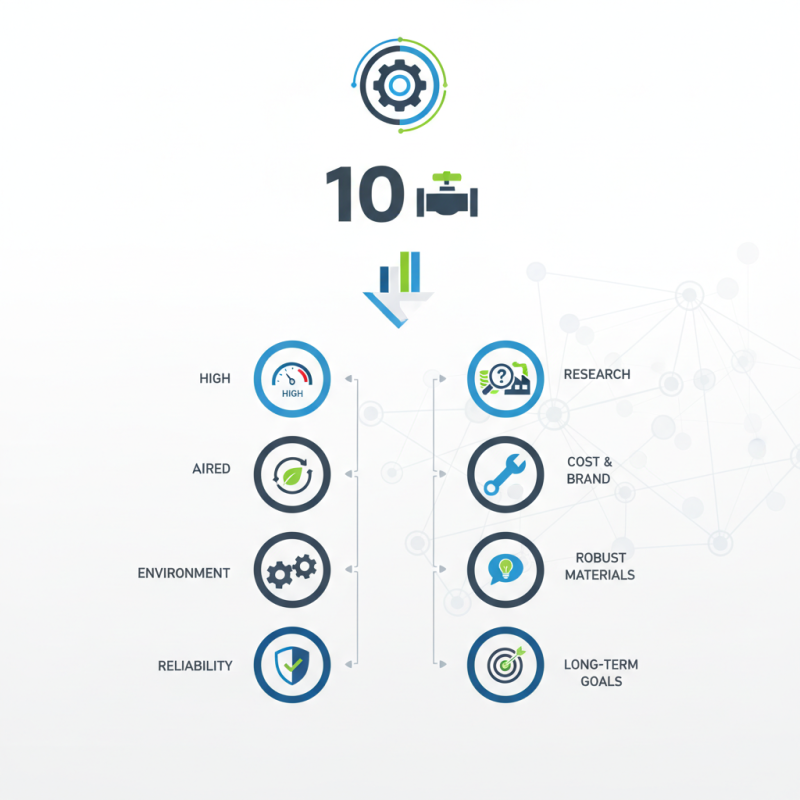
| 10. Cost vs. Quality | Balance the cost of the actuator with the quality and features it offers. | Invest in reliable options to avoid future expenses. |
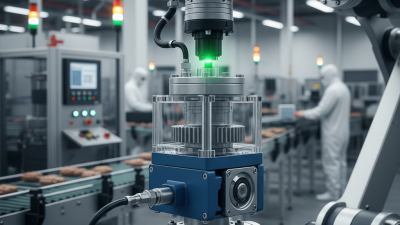
When selecting the right motorized valve actuator, it’s essential to understand your specific application needs. Consider factors such as pressure, temperature, and flow rates. Each of these will greatly influence the type of actuator required. For example, high-pressure systems may need robust, industrial-grade actuators. In contrast, lower-pressure applications might benefit from lighter, more flexible options.
Another critical aspect is the environment where the actuator will operate. Is it indoors or outdoors? Will it face extreme temperatures or humidity? Ensuring proper material selection based on these conditions is vital. You may find that some actuators perform well in one setting but fail in another. It's useful to ask yourself about past experiences with different environments. Reflect on what worked and what didn't. This reflection helps refine your choices and avoid pitfalls.
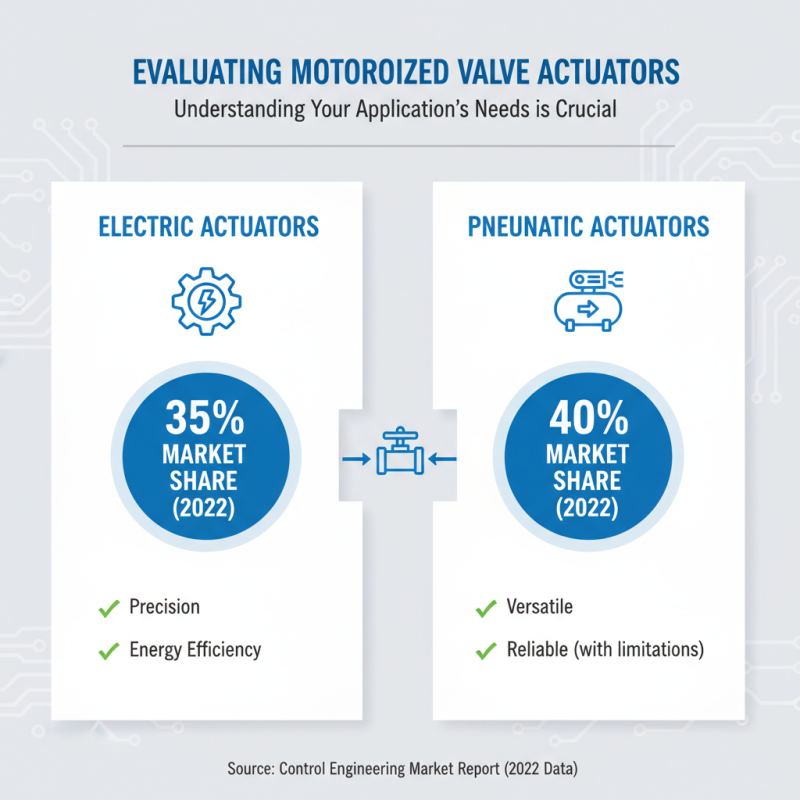
When evaluating different types and technologies of motorized valve actuators, understanding your application's specific needs is crucial. Actuators vary widely in design and function, impacting efficiency and reliability. Research from the Control Engineering Market Report reveals that electric actuators are gaining popularity due to their precision and energy efficiency, representing 35% of the market in 2022. In contrast, pneumatic actuators, while versatile, account for a slightly larger share, at 40%.
Different technologies also offer unique advantages. For instance, digital actuators provide enhanced control options. They allow for remote operation and monitoring, which increases system reliability. However, they can come at a higher initial cost. Manual control options are still prevalent but require more operator involvement. This can lead to inconsistencies in operation if not carefully managed.
It is essential to consider factors such as response time, torque requirements, and the operating environment when choosing an actuator type. An improper selection can lead to operational inefficiencies or increased maintenance needs. According to industry experts, a staggering 20% of actuators fail due to misapplication. Therefore, careful evaluation is critical to ensure long-term performance and reliability.
When selecting a motorized valve actuator, compatibility with existing systems is crucial. Industry reports indicate that over 40% of system failures stem from mismatched components. This underscores the need for careful evaluation. Ensure that the actuator's dimensions and connection types align with your current setup. A mechanical mismatch can lead to performance issues and costly downtime.
In addition to physical compatibility, consider electrical specifications. Voltage requirements must match existing systems. In a survey by the International Society of Automation, 35% of respondents experienced issues due to incorrect voltage settings. It's essential to verify that the actuator's control signals are compatible with your system's. Neglecting this can result in inefficiency and increased operational risk.
Lastly, don’t overlook the control method. Some systems utilize feedback loops while others may not. The actuator's response time must align with existing equipment for seamless operation. A report from the Fluid Control Association reveals that integrating incompatible control types can diminish performance by up to 50%. Balancing these elements ensures a smoother integration, ultimately enhancing system reliability.
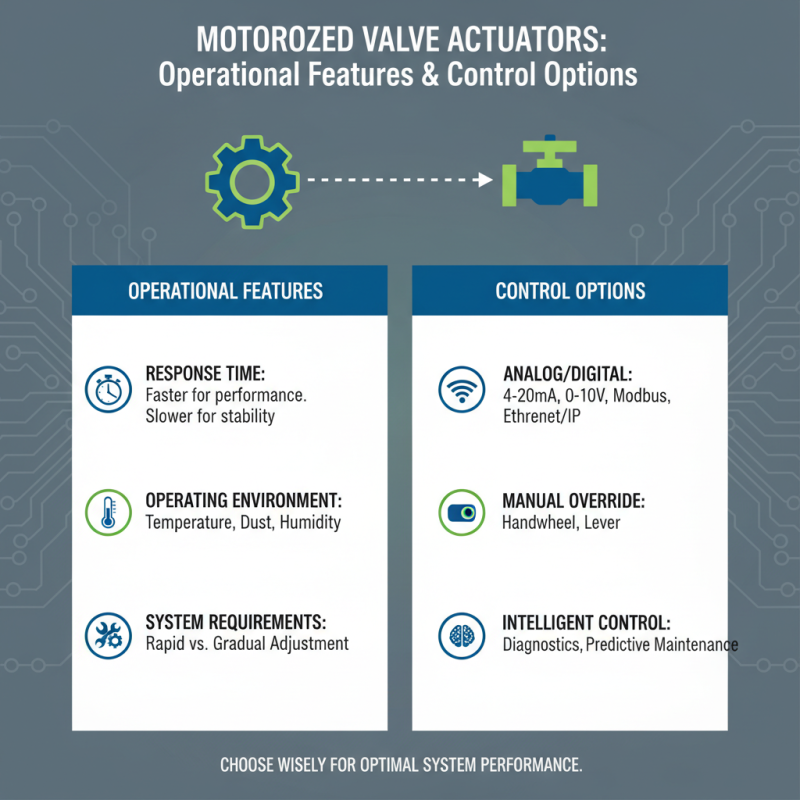
When selecting a motorized valve actuator, operational features are crucial. Look for the actuator's response time. Fast response times improve overall system performance. However, some systems may not require rapid adjustments. Consider the specific needs of your application. Analyze the operating environment as well. Extreme temperatures or dusty conditions can affect performance.
Control options are equally important. Choose between modulating control and on/off control based on your system's requirements. Modulating control allows for precise adjustments. However, it can be more complex to implement. On/off control simplifies the operation but may not offer the flexibility needed. Assess your control needs carefully.
Don’t overlook the power supply needs. Different actuators require different power sources. Ensure compatibility with your existing system. Additionally, think about maintenance. Some models may need frequent servicing, while others are more robust. Reflect on these aspects to choose wisely. Selecting the right actuator is a blend of understanding features and being aware of your limitations.
1272 Speers Rd Unit 4
Oakville ON Canada L6L 2X4
©Copyright 2020 Gosco Valves. All rights reserved.