Top 5 PP Compression Fittings for Your Global Sourcing Needs?
When considering global sourcing, the choice of materials and fittings is crucial. Among various options, the PP Compression Fitting stands out for its versatility and reliability. This fitting is essential in various applications, including plumbing and irrigation systems. It allows for secure connections without the need for additional tools.
Many manufacturers provide PP Compression Fittings, often claiming high quality and durability. However, the market can be overwhelming. Ensuring you select a top PP Compression Fitting requires careful evaluation of suppliers. Buyers must consider factors like material quality and production processes. Some fittings may not meet international standards.
In this article, we explore the top five PP Compression Fittings available today. Each fitting is assessed based on performance, user reviews, and overall value. Sourcing high-quality products is important, as improper fittings can lead to costly leaks and disruptions. It’s important to reflect on your choices and ensure they align with your specific needs.
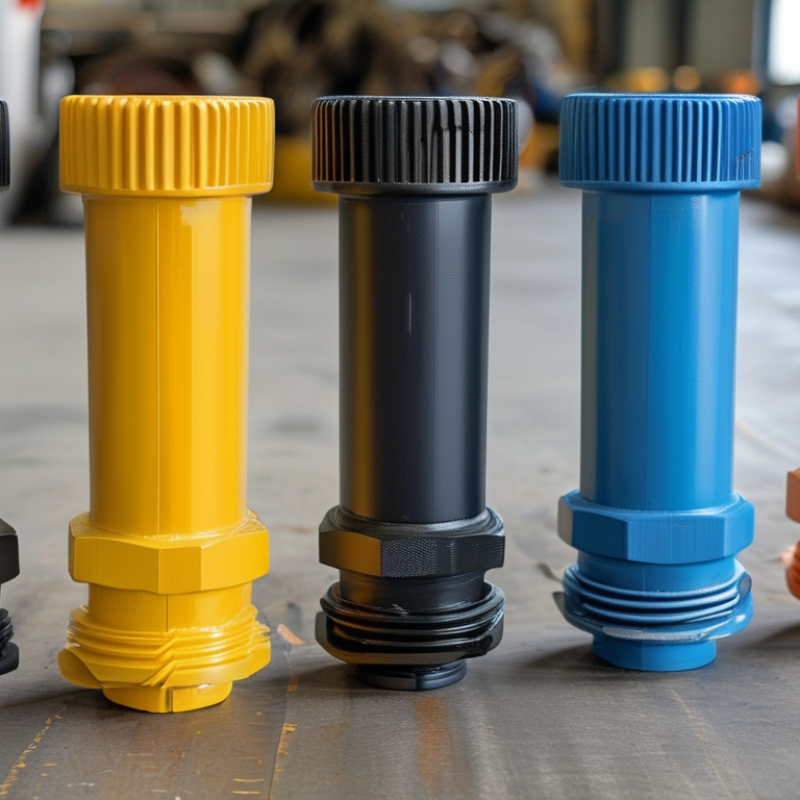
Understanding Compression Fittings: Basics and Applications
Compression fittings are essential in various applications, especially in plumbing and construction. They create secure connections without the need for welding or soldering. This can minimize the risk of leaks, which significantly reduces maintenance costs.
According to industry research, the global market for compression fittings is projected to reach $10 billion by 2025, growing at a rate of 5% annually. This surge is influenced by increased demand in water supply systems and fluid transportation. As infrastructure projects rise, so does the need for reliable and durable connections.
Despite their advantages, compression fittings require careful installation. Misalignment during the connection process can lead to failure. Data indicates that improper installation accounts for around 30% of leakage issues in fluid systems. To mitigate this risk, thorough training on proper techniques is crucial for industry professionals. Frequent audits can also enhance reliability in long-term use.
Key Factors to Consider When Sourcing PP Compression Fittings
When sourcing polypropylene (PP) compression fittings, understanding key factors is essential. Material quality should be a primary concern. High-density polypropylene offers durability. It's important to check for resistance to chemical exposure and UV degradation. Ensuring the fitting can withstand temperature fluctuations adds another layer of reliability.
Design and compatibility are also crucial. Fittings must align with your piping system. Check the sizes and thread types to avoid mismatches. Additionally, consider the ease of installation. Some designs have user-friendly features that expedite setup and maintenance. While aiming for efficiency, it’s possible to overlook specific details in the design.
Price could affect sourcing decisions. A lower price might indicate reduced quality. This can lead to problems in the long run. Make sure to evaluate warranties and returns. A good supplier will offer these for peace of mind. It’s worthwhile to assess supplier reputation. Reviews and industry feedback can guide choices.
Top 5 PP Compression Fittings - Sourcing Insights
This bar chart illustrates the estimated market share percentage of the top 5 PP compression fittings based on various key factors including price, durability, chemical resistance, ease of installation, and supplier reliability.
Top Quality Manufacturers of PP Compression Fittings Worldwide
When sourcing PP compression fittings globally, it's essential to focus on the manufacturers behind these products. The quality of fittings significantly impacts system reliability. Many manufacturers have established a strong reputation in the market. Their experience and expertise enhance product innovation and development.
Look for manufacturers that prioritize material quality. High-grade polypropylene used in fittings ensures durability and resistance to environmental factors. Some producers also emphasize sustainable practices in their manufacturing process. While this is promising, it is crucial to evaluate their certifications and compliance with global standards. Not all manufacturers meet these essential benchmarks.
Another consideration is customer feedback. Engaging with other purchasers can provide insights into the longevity of the products. Some users report unexpected failures, highlighting the importance of thorough research. It's vital to balance quality with cost, reflecting on what truly meets your needs. When navigating through options, consider both the product and the company’s integrity.
Comparative Analysis of the Five Best PP Compression Fittings
When it comes to sourcing PP compression fittings, making an informed choice is essential. Five fittings stand out based on their design, performance, and material quality. Their versatility allows them to cater to various industries. Each fitting has unique features that improve installation ease and ensure leak-free connections.
Choosing the right fitting can be overwhelming. Here are a few tips. Always check the pressure rating and temperature tolerance. A mismatch can lead to failure. Evaluate the fitting's size compatibility with your pipes for optimal performance. Look for customer reviews that highlight real-world applications. Learn from the experiences of others; they can provide valuable insights.
Consider the installation process. Some fittings allow for easy manual installation, while others may require special tools. Reflect on your own installation skill set. If you're unsure about doing it yourself, consult a professional to avoid future complications. Keep in mind that the best fitting doesn’t always mean the most expensive. Sometimes, simplicity leads to better reliability.
Best Practices for Installation and Maintenance of PP Compression Fittings
When installing PP compression fittings, proper techniques are crucial for ensuring longevity and performance. According to industry reports, incorrect installation can lead to leaks, reducing system efficiency by up to 30%. This points to the importance of a solid understanding of the installation process.
One best practice is to always inspect the fitting and pipe before installation. Dirt or damage can compromise the seal. Use a reamer to ensure clean edges. This small step can prevent significant leaks later. The industry data suggests that over 15% of fittings fail due to debris lodged in the connection.
Maintaining your PP compression fittings regularly is equally vital. Periodic checks can identify wear early, reducing emergency repairs by as much as 25%. Keeping a maintenance log is recommended. It helps track performance and spot potential issues. Always follow manufacturer guidelines for maintenance duration and techniques, as inconsistencies might lead to unexpected failures.


