Top 10 High Temperature Valves You Need to Know About?
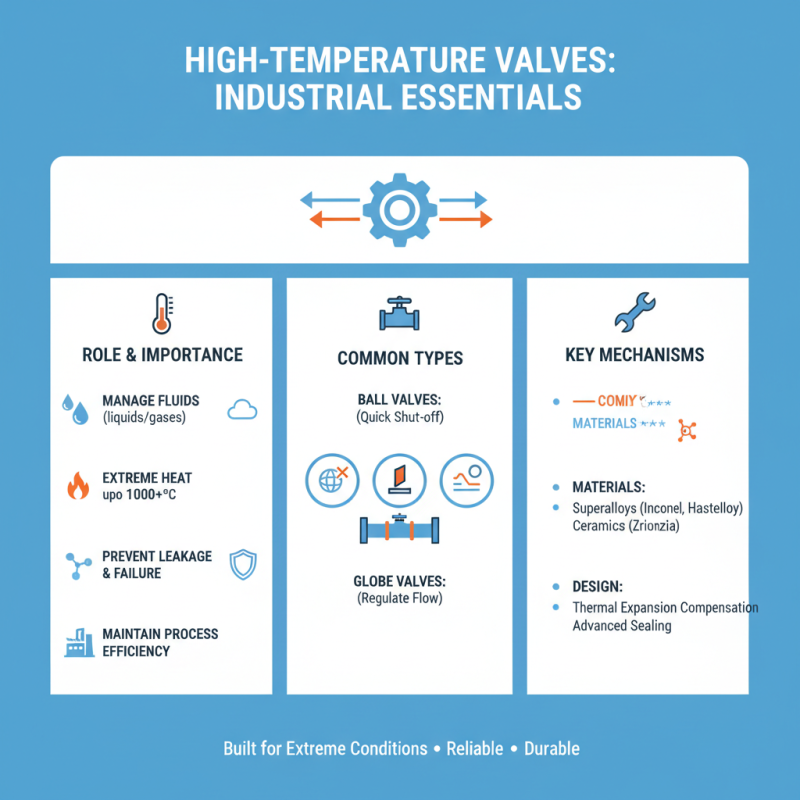
High temperature valves play a crucial role in various industries. They are vital for managing fluids at elevated temperatures. These valves ensure safety and efficiency in systems like oil refineries and power plants.
Choosing the right high temperature valves involves understanding their specifications. Each valve type has unique features tailored for specific applications. Factors such as pressure ratings, materials, and temperature limits matter. Not all valves can handle extreme conditions effectively.
However, not every valve on the market performs well under heat. Some may fail due to poor design or materials. It is essential to evaluate performance ratings carefully. Understanding the shortcomings of certain models can prevent potential disasters. Emphasizing quality and reliability will lead to better outcomes in high-temperature situations.
Overview of High Temperature Valves and Their Applications
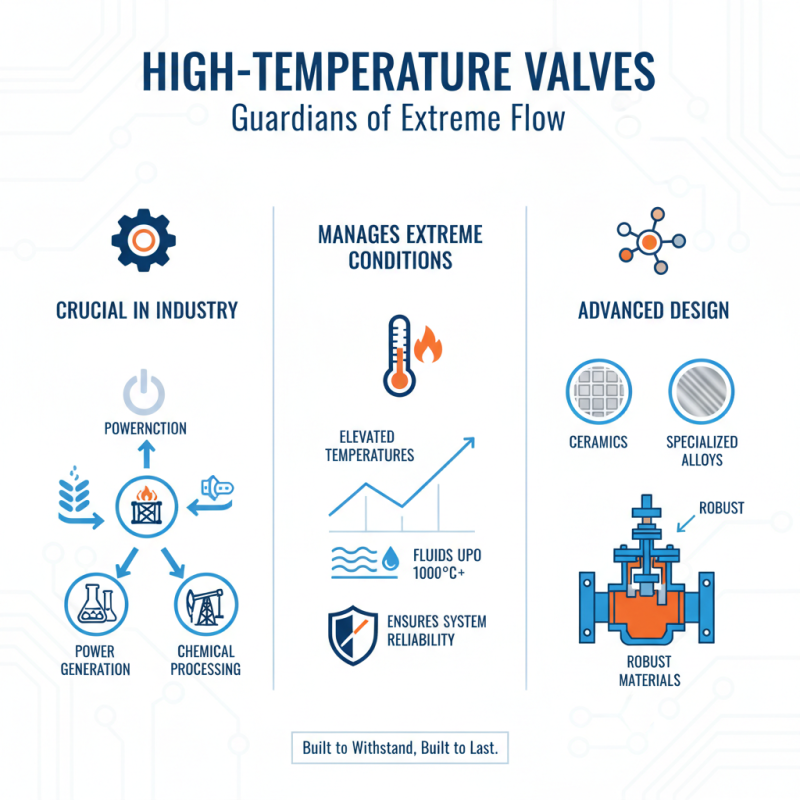
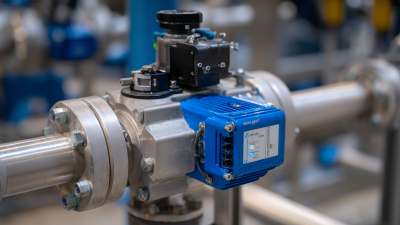
High temperature valves are crucial in many industries. They manage fluids at elevated temperatures, ensuring systems function effectively. Such valves are typically used in power generation, chemical processing, and oil and gas applications. They must withstand extreme conditions, and their design often involves advanced materials like ceramics or specialized alloys.
Choosing the right valve can be challenging. Factors like temperature limits and pressure ratings play critical roles. Not all high temperature valves suit every application. Some may not perform well under specific environmental conditions. It's vital to consider these variables. Overlooking them can lead to failure and costly downtime. Each application demands careful thought regarding the types of fluids, temperatures, and pressures involved.
In practice, reliability is key. Many businesses report issues with valve leaks or premature wear. Regular maintenance is often necessary to ensure optimal performance. Failing to address early signs of wear can have serious consequences. Being proactive is essential for efficiency and safety. Understanding these intricacies can lead to better decision-making.
Key Materials Used in High Temperature Valve Construction
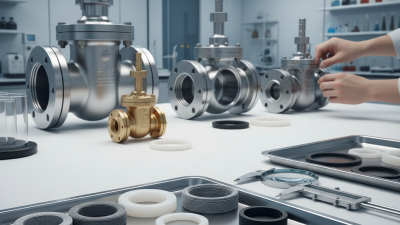
High temperature valves are essential in various industries, particularly those involving extreme heat processes. The materials used in their construction significantly determine their performance and longevity. Common materials include stainless steel, titanium, and specialized alloys. These materials withstand high temperatures and resist corrosion.
Stainless steel is frequently preferred due to its strength and durability. Titanium, while more expensive, offers excellent strength-to-weight ratios. Alloys, like Inconel, are specially formulated to endure severe environments. Each material excels under different conditions, so it's crucial to understand specific needs before making a choice.
Tips: Choose materials based on heat exposure and chemical compatibility. Testing valves under actual conditions can reveal weaknesses. Lack of proper material selection might lead to failures, costing time and money. Regular inspections help identify issues early. Don't overlook the potential of newer materials and technologies.
Types of High Temperature Valves and Their Mechanisms
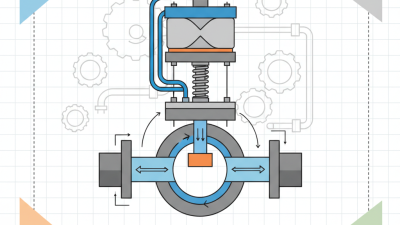
High temperature valves play a crucial role in industrial applications. They manage the flow of fluids in extreme conditions. These valves must withstand intense heat without compromising performance. Understanding the types and mechanisms is essential for effective operations.
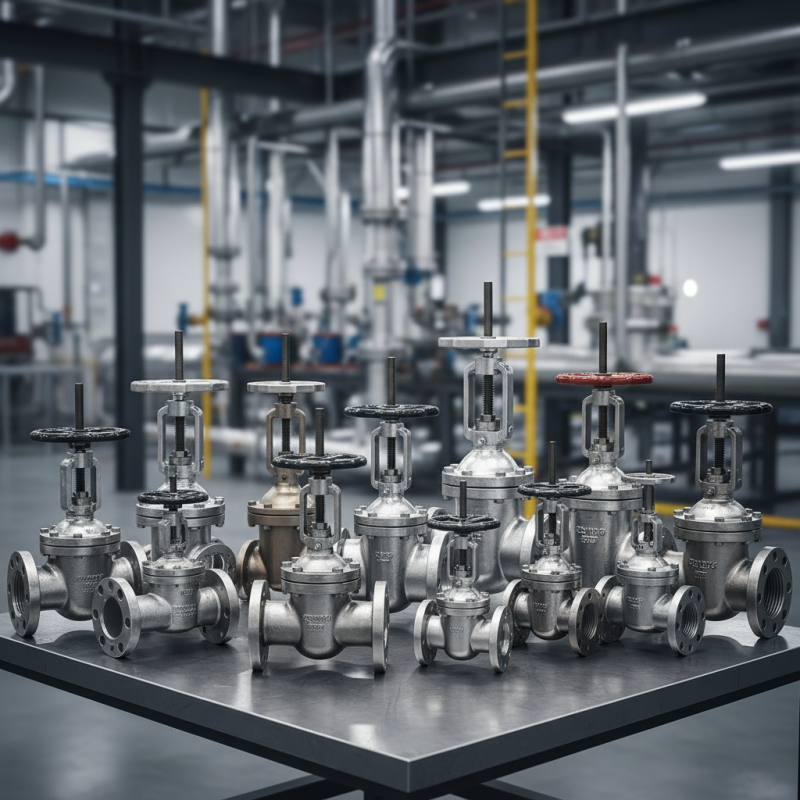
Ball valves are common in high-temperature systems. Their design allows for quick shutoff and a tight seal. However, they may struggle with thermal expansion. This can lead to operational issues. Another type is the gate valve, which offers less resistance to flow. Gate valves are often used in high-pressure systems. They can, however, be slow to open and close, causing delays.
Globe valves are known for their throttling capabilities. They can control flow accurately, but may incur a pressure drop. A common drawback is wear and tear over time. Lastly, plug valves are favored for their simplicity. While effective, they don’t perform well under extreme thermal cycling. Selecting the right valve involves trade-offs. Balancing performance and resilience is key. It's an ongoing challenge for engineers in the field.
Factors to Consider When Selecting High Temperature Valves
When selecting high temperature valves, several factors come into play. First, consider the material. Valves must withstand extreme heat without degrading. Common materials include stainless steel and specialty alloys. These materials ensure durability and long-term reliability.
Next, think about pressure ratings. High temperatures often mean high pressures. Ensure the valve can handle both. This is crucial for safety and functionality. Also, valve size matters. A valve that is too small can restrict flow and cause issues. It’s important to match valve size with system requirements.
Lastly, examine operating conditions. Some environments may be more corrosive than others. This could affect valve performance. Regular maintenance is essential to ensure reliability. Look for designs that allow easy access for repairs. Remember, investing in the right valves can prevent costly downtime later on. Always evaluate your specific needs before making a choice.
Top 10 High Temperature Valves You Need to Know About
This chart represents the temperature ratings of various high-temperature valves. Each valve type is rated for its maximum operating temperature, which is critical when selecting a valve for high-temperature applications.
Maintenance Tips for Enhancing the Performance of High Temperature Valves
High temperature valves are crucial in many industries. Proper maintenance is essential for optimal performance. Regular inspections can help catch potential issues early. Check for leaks or corrosion during each inspection. This proactive approach can save significant downtime.
Cleaning high temperature valves is equally important. Residue can build up and affect function. Use appropriate cleaning agents that do not damage the materials. If valves are difficult to clean, consider replacing them. Sometimes, it’s better to invest in new parts than continually struggle with dirty valves.
Lubrication is a key maintenance step. Ensure that all moving parts are well lubricated. However, too much lubricant can attract dirt. Finding the right balance is vital. Document maintenance activities for reference. Review this documentation regularly to identify patterns or recurring issues. It may reveal areas needing improvement or further attention.
Top 10 High Temperature Valves You Need to Know About
| Valve Type |
Temperature Range (°C) |
Material |
Applications |
Maintenance Tips |
| Globe Valve |
-50 to 400 |
Stainless Steel |
Steam, Water |
Regular inspection for leaks. |
| Ball Valve |
-20 to 200 |
Carbon Steel |
Oil, Gas |
Ensure proper lubrication of moving parts. |
| Butterfly Valve |
-10 to 250 |
Polypropylene |
Chemical Processing |
Check for wear and tear on seals. |
| Check Valve |
-40 to 230 |
Brass |
Water Systems |
Regularly clean the internal parts. |
| Gate Valve |
-30 to 300 |
Cast Iron |
Pipelines |
Avoid closing under pressure. |
| Pressure Relief Valve |
0 to 400 |
Alloy Steel |
Pressure Control |
Test regularly for accuracy. |
| Solenoid Valve |
-20 to 80 |
Nylon |
Automation |
Inspect regularly for electrical issues. |
| Pinch Valve |
0 to 100 |
Silicone |
Slurries, Powders |
Check the integrity of the flexible sleeve. |
| Plug Valve |
-50 to 200 |
Copper |
Liquids, Gases |
Ensure proper stem lubrication. |
| Thermal Relief Valve |
-20 to 150 |
Stainless Steel |
Heat Exchangers |
Test function periodically. |