Top 10 Benefits of Using Compact Rotary Actuators in Industry?
In today's fast-paced industrial landscape, efficiency and precision are paramount. One tool that has gained significant traction is the Compact Rotary Actuator. This device offers numerous advantages, transforming operations across various sectors. Its design allows for minimized space while delivering impressive torque and speed.
Industries are increasingly leaning towards automation. The Compact Rotary Actuator plays a crucial role in this shift. It not only enhances productivity but also provides reliability in challenging environments. Its versatility makes it suitable for many applications, from robotics to assembly lines. However, not all actuators are created equal.
Choosing the right Compact Rotary Actuator requires careful consideration. Users must evaluate power needs and operational contexts. This may seem daunting, but the benefits often outweigh the challenges. While there are limitations, the potential for increased efficiency and reduced costs is compelling. Embracing this technology can lead to significant improvements in workflow and performance.
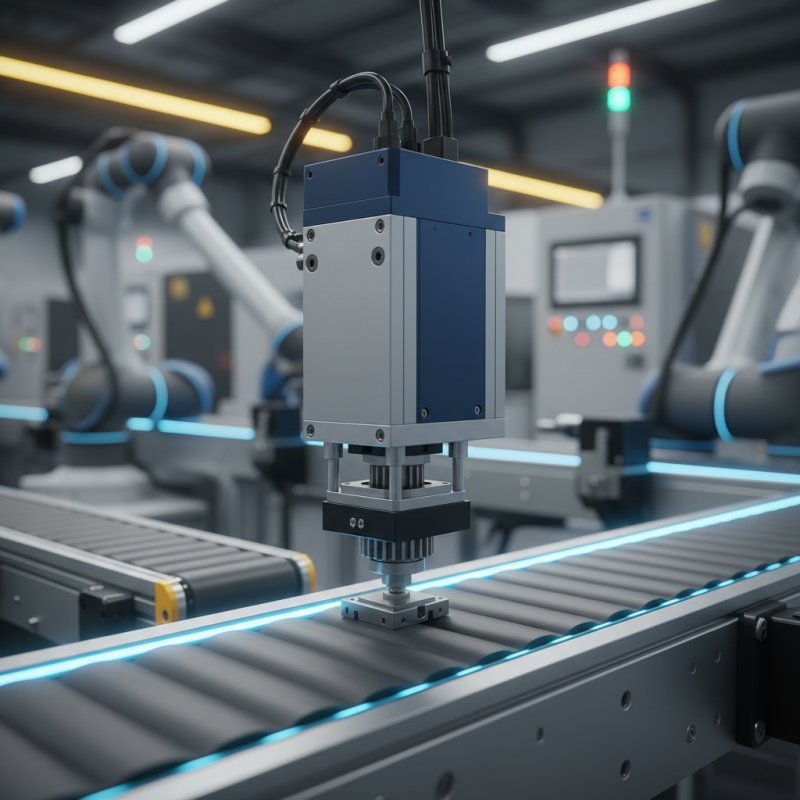
Key Advantages of Compact Rotary Actuators in Industrial Applications
Compact rotary actuators are gaining popularity in industrial applications due to their efficiency and space-saving design. One key advantage is their ability to deliver high torque in a compact form. This allows manufacturers to use smaller machinery without sacrificing performance. These actuators can easily fit into tight spaces, making them ideal for various setups.
Another benefit is their quick response time. Compact rotary actuators can control movements rapidly, enhancing productivity in automated systems. They can be integrated seamlessly into robotic arms or other machinery, resulting in higher precision and lower cycle times. This responsiveness can significantly improve the overall efficiency of production lines.
Tip: Consider the mounting options for your actuators. Different setups can affect performance and maintenance.
Moreover, reliability is crucial in industrial environments. Compact rotary actuators typically have fewer moving parts than traditional alternatives. This reduces wear and tear, resulting in less downtime. Regular monitoring and maintenance can extend their lifespan significantly.
Tip: Always evaluate the environmental conditions. Dust, extreme temperatures, and humidity may impact actuator performance.
These attributes make compact rotary actuators a valuable addition to modern industrial applications. Their benefits can enhance productivity and reliability in demanding settings. However, understanding specific requirements is essential for optimal functionality.
Enhanced Space Efficiency with Compact Design of Rotary Actuators
Compact rotary actuators offer significant advantages in industrial applications. Their design prioritizes space efficiency, which is crucial in today’s crowded manufacturing environments. By being more compact, these actuators free up valuable room for other components or allow machines to operate in tighter spaces. This efficiency can lead to improved layouts and enhanced production flows.
Moreover, the reduced size of these actuators can sometimes lead to overlooked challenges. For example, while they save space, they may require more frequent maintenance due to increased wear. Engineers must balance these factors when integrating them into systems. It is essential to carefully assess their compatibility and performance under specific conditions.
Another point to consider is their power delivery. Although compact rotary actuators can be highly efficient, the smaller size may limit their torque capabilities. This could necessitate selecting a more powerful model if high torque is required. Attention to these details is vital for implementing effective projects and ensuring optimal performance.
Improved Operational Precision and Control with Rotary Actuators
In industrial applications, operational precision is essential. Compact rotary actuators are key components that enhance precision and control. According to a recent market report, the demand for rotary actuators is expected to grow by 7.5% annually through 2026. This suggests that industries increasingly recognize their importance.
These actuators offer high torque in a compact design. This enables machines to operate flawlessly in tight spaces. The precision they provide helps reduce errors during automated processes. For instance, production lines witness fewer mistakes, resulting in lower costs. Additionally, operational downtime decreases, further boosting productivity.
Tip: Regular maintenance of actuators is crucial. A small oversight can lead to significant performance issues. Keep an eye on wear and tear.
Using rotary actuators also allows for better control over motion profiles. Manufacturers can achieve smoother movements. This translates into higher quality end products. However, the choice of actuator must be aligned with the specific application's demands.
Tip: Always evaluate the load requirements before selecting an actuator. Misalignment can result in performance setbacks.
Investing in compact rotary actuators is a strategic choice. Their benefits in precision and control are vital for industries aiming to stay competitive. Effective use of these devices can lead to transformative results.
Top 10 Benefits of Using Compact Rotary Actuators in Industry
This chart illustrates the top 10 benefits of using compact rotary actuators in industrial applications, showcasing their impact on operational efficiency and precision.
Increased Reliability and Reduced Maintenance of Compact Actuators
Compact rotary actuators are becoming a preferred choice in various industries, especially due to their increased reliability. A recent report from the International Society of Automation noted that these actuators can enhance operational uptime by up to 15%. This is critical in sectors where every second counts. By minimizing the potential for mechanical failures, businesses can operate more smoothly and efficiently.
Maintenance costs are often a significant concern in automated systems. Data from the Robotics Industry Association suggests that compact rotary actuators require 30% less maintenance compared to traditional models. This not only translates to savings in labor costs but also reduces downtime for repair. Simple design enhancements have contributed to this reliability. However, some users still face challenges in integration, indicating the need for better training and support.
The compact design also plays a role. It allows for easier installation in tight spaces, which is a common scenario in manufacturing environments. With these advantages, companies must weigh the benefits against the initial investment. Though the upfront costs may be higher, the long-term gains offer a compelling case for adopting compact rotary actuators.
Cost-Effectiveness and Efficiency Gains in Industrial Processes
Compact rotary actuators have become essential in various industrial applications. By streamlining processes, they significantly enhance cost-effectiveness and efficiency. Data from a recent industry report indicates that adopting these actuators can reduce operational costs by up to 30%. This reduction is crucial for companies aiming to improve their bottom line while maintaining competitiveness.
In terms of energy efficiency, compact rotary actuators consume less power compared to traditional options. Some studies show a decrease in energy use by approximately 15% in automated systems. Such figures reveal the value they provide in terms of sustainability. Companies can also benefit from reduced maintenance expenses. These actuators often require less upkeep, thanks to their robust design and advanced materials.
However, companies must consider potential drawbacks. The initial investment in advanced compact rotary actuators can be significant. It’s essential to conduct a thorough cost-benefit analysis. While these devices lower long-term costs, the upfront spending should align with budget constraints. Adopting a phased approach to implementation may help mitigate risks. Industry professionals suggest continuous assessment to ensure each step improves overall operational efficiency.


