An Automatic Labeling Machine is no longer a simple packaging accessory. It affects line speed, product presentation, traceability, and labor efficiency. As packaging formats become more varied, manufacturers need equipment that handles bottles, jars, cartons, pouches, and irregular containers with consistent accuracy.
Industry data supports this growing importance. PMMI’s State of the Industry reports identify automation, labor shortages, and flexible production as major packaging priorities. MarketsandMarkets also forecasts continued expansion in the global labeling equipment market, driven by food, beverage, pharmaceutical, and personal care production. Grand View Research highlights demand for high-speed packaging systems with improved integration and reduced material waste. These findings offer useful context, but market forecasts are not guarantees.
This guide examines ten leading Automatic Labeling Machine manufacturers through practical criteria. The evaluation considers machine accuracy, operating speed, changeover time, container flexibility, software integration, service coverage, and long-term reliability. A machine running beside a filling line must maintain alignment, even when bottles arrive warm, dusty, or slightly tilted. That detail matters.
The ranking is not absolute. Different plants need different solutions. A compact producer may value simple setup more than maximum speed. A global beverage company may prioritize robotics, remote diagnostics, and worldwide support. Manufacturer websites provide valuable specifications, yet independent testing and customer references remain essential. Reports from PMMI, Packaging Europe, and industry research firms help establish broader market direction, while technical manuals reveal practical limitations.
Readers should treat this list as a structured starting point, not a final purchasing decision. Some comparisons remain imperfect. Local service quality can change the result. Testing real containers is still the most dependable step.
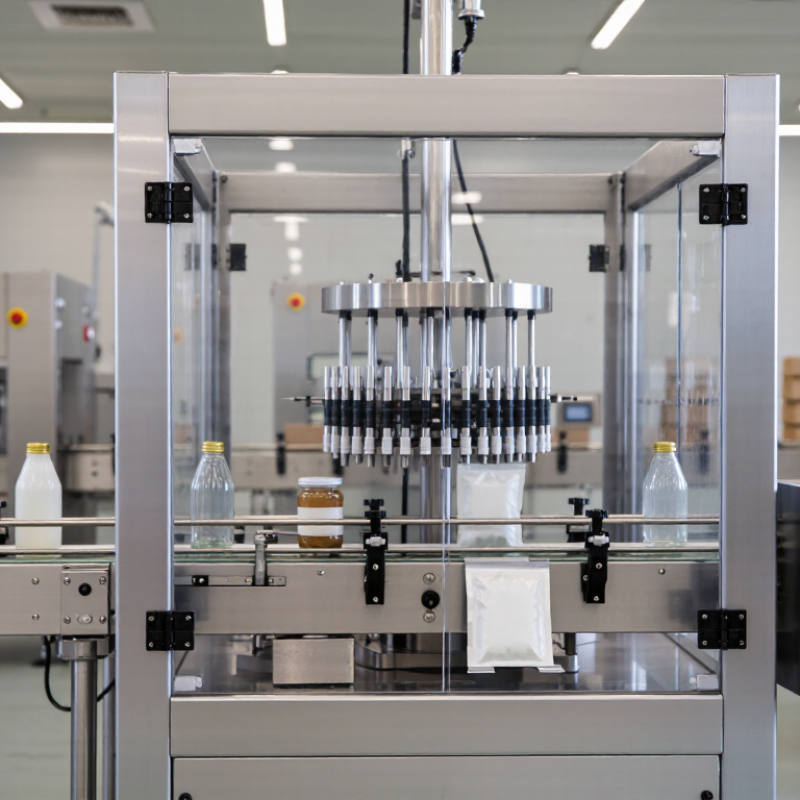
Automatic labeling machines apply, position, and secure labels on containers with limited human handling. A typical system combines a conveyor, product sensor, label dispenser, drive roller, and programmable controller. Depending on the package, it can place labels on the front, back, top, or around a cylindrical container.
The process looks simple, but accuracy depends on timing. A photoelectric sensor detects each container. The controller then releases a measured label at the correct speed. On a fast line, even a small gap variation can cause wrinkles or skewed placement. According to MarketsandMarkets’ 2024 Labeling and Coding Equipment report, the market is projected to grow from about USD 7.1 billion in 2023 to USD 9.4 billion by 2028. That growth reflects wider demand for consistent identification and faster packaging operations.
Automatic systems also reduce repetitive manual work and support barcode verification, batch tracking, and changeover control. PMMI’s 2023 Packaging Machinery Trends report identifies automation, labor efficiency, and data integration as major investment drivers. Yet automation is not automatically better. Poor sensor positioning, unsuitable adhesive, or dusty containers can reduce performance. In practical testing, operators should check label tension, container spacing, and reject accuracy under real production speeds. The equipment may perform perfectly in a showroom, but production conditions are less forgiving.】【。
Choosing among the top 10 automatic labeling machine manufacturers requires more than comparing catalog prices. Evaluate the machine against your real production line. Check label placement accuracy, container speed, changeover time, reject rates, and integration with existing conveyors. A machine that labels 120 bottles per minute may perform poorly with dusty surfaces or uneven containers. MarketsandMarkets reported that the global labeling equipment market is expanding as manufacturers invest in automation and flexible packaging lines. That growth makes supplier claims easier to find, but not always easier to verify.
Request factory acceptance testing with your own containers, labels, and adhesive. Measure ten consecutive changeovers, not one perfect demonstration. Review documented uptime, spare-part availability, operator training, and service response times. PMMI industry reports consistently identify labor efficiency, automation, and equipment reliability as major packaging investment priorities. Total cost matters too. Energy use, rejected products, software updates, and maintenance can outweigh a low purchase price. I would not rely on a polished video alone. It can hide difficult adjustments.
Tips: Ask for three recent customer references in similar industries. Require written tolerances for label position and speed. Inspect the control panel at the factory. Can a new operator understand it after one shift? Also compare five-year ownership costs, not only the quotation. A useful scorecard can assign 30% to performance, 25% to service, 20% to integration, 15% to total cost, and 10% to supplier experience. The weighting is imperfect, but visible assumptions make better decisions. Verify every figure during a witnessed trial.
The leading automatic labeling machine manufacturers differ by application, speed, and integration depth. One profile focuses on high-speed wraparound systems for beverage containers. Its machines typically use servo drives, adjustable conveyors, and automatic tension control.
Another specializes in pharmaceutical packaging, where vision inspection, batch tracking, and precise placement are essential. A third serves food producers with stainless steel frames and washdown-friendly components.
Hygiene matters here.
A fourth manufacturer builds compact machines for small workshops. Its equipment suits jars, bottles, and short production runs. A fifth develops pressure-sensitive labeling systems for cartons and shipping boxes. A sixth combines labeling with weighing and coding equipment. This reduces manual handling.
Another profile emphasizes robotic applications, using grippers that adjust for different container shapes. A vision-focused manufacturer detects missing, tilted, or damaged labels before products leave the line.
That feature can prevent expensive recalls.
The remaining profiles concentrate on custom engineering, sustainable materials, and after-sales support. Custom builders may design machines for irregular containers, though project timelines can grow quickly. Sustainable-label specialists test lightweight materials and adhesive behavior, but results vary between suppliers.
Service-oriented manufacturers provide remote diagnostics, spare-part planning, and operator training. These details often matter more than a fast demonstration.
Buyers should request factory trials, sample reports, noise measurements, and changeover times. No supplier is perfect. A polished trial may not reflect dusty floors, rushed operators, or frequent product changes. Careful evaluation remains necessary.
Automatic labeling machine manufacturers are competing through smarter control systems, faster changeovers, and stronger inspection accuracy. Grand View Research estimates that the global labeling machine market could reach about USD 3.2 billion by 2030, with steady annual growth. This trend reflects demand from food, beverages, cosmetics, pharmaceuticals, and logistics.
Leading manufacturers now combine servo motors, machine vision, RFID compatibility, and print-and-apply modules. Pressure-sensitive systems suit bottles and cartons. Hot-melt and wraparound units support high-speed beverage lines. Vision cameras check label position, wrinkles, and missing codes in real time. Modular designs also reduce downtime during format changes. PMMI reports that packaging automation is increasingly linked with labor efficiency, traceability, and connected production data. However, published speed figures can be misleading. Container shape, adhesive behavior, and operator skill often change real performance.
Tips: Compare verified output, not brochure speed. Request a factory trial using your actual containers and labels. Measure changeover time, rejection rate, uptime, and cleaning effort. For regulated production, ask for audit trails, validation documents, and data-security controls. Energy use deserves attention too. A smaller servo-driven unit may outperform a larger machine over several years. Mistakes happen. Even advanced vision systems can fail with reflective surfaces, weak contrast, or poorly stored labels. That detail is easy to overlook.
Anonymized comparison of representative automatic labeling equipment capabilities; actual performance varies by machine model, product geometry, label stock, and production conditions.
| Rank | Anonymized Manufacturer Profile | Primary Labeling Technology | Typical Speed Range (products/min) | Typical Applications | Container Formats | Key Automation Features | Common Label Materials |
|---|---|---|---|---|---|---|---|
| 1 | Profile A — High-Speed Front-and-Back Systems | Pressure-sensitive wipe-on labeling with dual applicators | 80–300 | Personal care, household chemicals, food, and beverages | Oval, rectangular, and cylindrical bottles | Servo-driven conveyors, recipe control, label-gap sensing, reject station | Paper, PP, PE, PET, and clear film labels |
| 2 | Profile B — Wrap-Around Bottle Labeling | Automatic wrap-around labeling with starwheel or belt stabilization | 100–400 | Water, soft drinks, sauces, cosmetics, and nutraceuticals | Round PET, HDPE, glass, and aluminum containers | Container spacing control, no-container/no-label logic, automatic web tension control | Paper, BOPP, PP, and transparent film |
| 3 | Profile C — Top-and-Bottom Labeling | Top, bottom, or combined pressure-sensitive labeling | 40–180 | Food trays, bakery packs, cartons, medical kits, and flat pouches | Rectangular cartons, trays, clamshells, and flat packs | Height-adjustable heads, product sensors, conveyor indexing, vision inspection options | Thermal-transfer stock, direct-thermal stock, paper, and synthetic films |
| 4 | Profile D — Round-Container Wrap Labeling | Single-label wrap-around application with product rotation | 30–150 | Pharmaceutical bottles, laboratory containers, candles, and small food jars | Small cylindrical bottles, vials, jars, and tubes | Adjustable bottle guides, pneumatic hold-down belts, batch recipe storage | Paper, PE, PP, polyester, and clear film |
| 5 | Profile E — Pharmaceutical Serialization-Ready Systems | High-accuracy pressure-sensitive labeling with inspection integration | 60–250 | Pharmaceuticals, diagnostics, medical devices, and clinical supplies | Vials, cartons, bottles, syringes, and pouches | Vision verification, barcode/2D-code reading, tamper-evident module compatibility | Coated paper, polyester, polypropylene, and security label stock |
| 6 | Profile F — Print-and-Apply Case Labeling | Thermal-transfer or direct-thermal print-and-apply labeling | 10–60 cases/min | Logistics, warehousing, e-commerce, food distribution, and industrial goods | Corrugated cases, cartons, totes, pallets, and irregular packages | Variable-data printing, database connectivity, barcode verification, automatic tamp or blow application | Direct-thermal paper, thermal-transfer paper, and synthetic labels |
| 7 | Profile G — Tamper-Evident and Security Labeling | Pressure-sensitive application with seal, neck, or perforated-label handling | 30–160 | Pharmaceuticals, cosmetics, food jars, and consumer packaged goods | Jars, cartons, bottles, caps, and hinged containers | Seal-position sensors, label presence detection, reject verification, quick-change tooling | Paper, PET, PP, destructible film, and tamper-evident stock |
| 8 | Profile H — Flexible Packaging Labeling | Non-contact tamp-blow or wipe-on application for flexible packs | 30–140 | Coffee bags, frozen foods, stand-up pouches, and refill packs | Pouches, bags, sachets, and flexible laminated packs | Air-assisted application, compliant tamp pads, photoelectric sensing, recipe-based setup | Paper, PE, PP, PET, and laminated film labels |
| 9 | Profile I — Heavy-Duty Industrial Labeling | Robotic or pneumatic print-and-apply labeling for large products | 5–40 products/min | Automotive parts, electrical equipment, chemicals, and building materials | Crates, drums, pallets, metal parts, and large cartons | Long-reach applicators, industrial PLC control, remote diagnostics, ruggedized frames | Polyester, polypropylene, vinyl, coated paper, and durable synthetic stock |
| 10 | Profile J — Compact Modular Labeling Platforms | Modular pressure-sensitive labeling for small and medium production lines | 20–120 | Start-up food brands, beverages, cosmetics, chemicals, and contract packaging | Round bottles, jars, cartons, tubes, and small rectangular packs | Tool-free adjustments, touchscreen HMI, compact footprint, expandable labeling heads | Paper, PP, PE, PET, and transparent adhesive labels |
Choosing among the top 10 automatic labeling machine manufacturers requires more than comparing catalog prices. Start with the product, not the brochure. Measure container shape, label material, adhesive behavior, line speed, and acceptable placement tolerance. A reliable manufacturer should request samples and run a documented test before proposing equipment. Ask for output records, changeover time, rejected labels, and photos of the test setup. This practical evidence reveals engineering ability better than polished claims. Look for experience with your container sizes and production environment. A machine that performs well on round bottles may struggle with pouches or dusty cartons. Small details matter.
Assess the manufacturer’s technical depth through drawings, sensor specifications, control logic, and maintenance instructions. Confirm whether the system can connect with upstream fillers, downstream inspection devices, and existing safety controls. Request training, spare-parts availability, response times, and a clear acceptance procedure. Speak with comparable users, but treat every reference carefully. One successful installation does not prove repeatable quality. Total cost includes setup labor, replacement parts, compressed air, downtime, and future format changes. I would also ask how failures are investigated, not merely how quickly they are repaired. That question often exposes weak processes. My own mistake was accepting a fast demonstration without testing difficult labels. A slower, transparent trial would have prevented that decision. Choose the team that measures limitations honestly and documents improvements.
1272 Speers Rd Unit 4
Oakville ON Canada L6L 2X4
©Copyright 2020 Gosco Valves. All rights reserved.