Please upgrade your web browser now. Internet Explorer 6 is no longer supported.>

What Are the 7 Best Shot Blasting Supplies?

Choosing the right Shot Blasting Supplies is more complicated than selecting the most popular products. A workshop may need steel grit, glass beads, a durable nozzle, or a complete pressure pot. The best choice depends on surface hardness, finish requirements, production volume, and dust control. A small repair shop does not need the same equipment as an automated fabrication line.

A practical perspective comes from abrasive-blasting specialist Eric Svenson: “Control the whole process, not only the blasting pressure.” This principle matters. A powerful blast can still produce uneven cleaning when the abrasive is contaminated, the hose is undersized, or the nozzle is worn. In real workshops, small details leave visible evidence. A clogged moisture separator may create rough patches. A damaged deadman valve can interrupt work and increase risk. Proper respiratory protection and ventilation remain essential, regardless of budget or project size.

This guide examines seven important Shot Blasting Supplies, including abrasive media, blast machines, nozzles, hoses, moisture separators, dust collectors, and protective equipment. The selection is not absolute. Some readers may reasonably rank safety equipment above production accessories, while others may prioritize abrasive efficiency. That difference deserves attention. Product labels can also be misleading when performance claims lack testing conditions or material specifications. We will compare practical uses, maintenance demands, operating costs, and common limitations. The goal is not to promote the most expensive setup. It is to identify dependable equipment that matches the work, protects operators, and delivers consistent surface results. Some recommendations may still require adjustment after real testing.
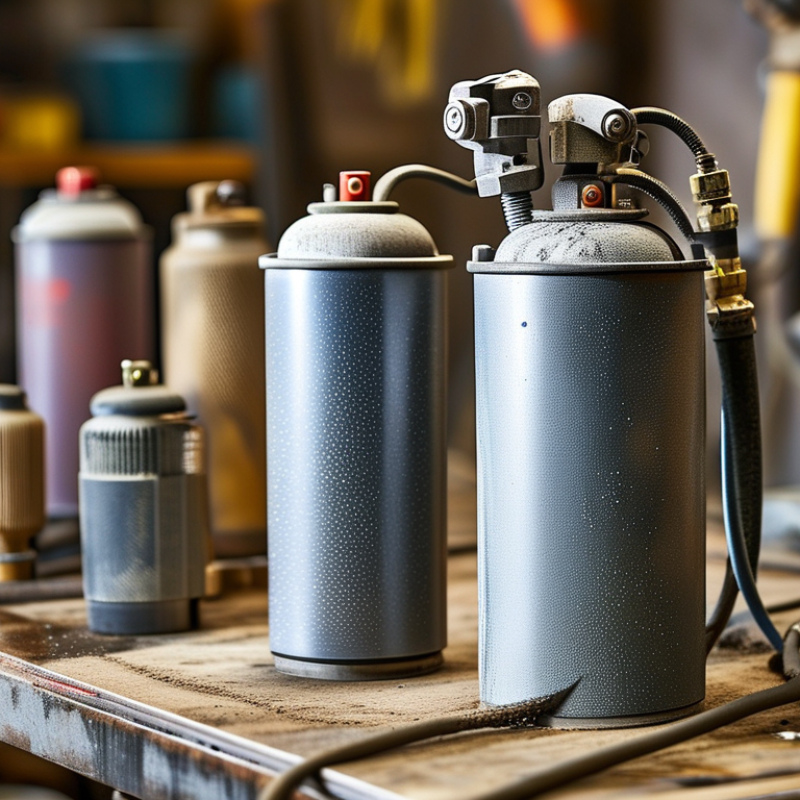
What Are the 7 Best Shot Blasting Supplies?

What Is Shot Blasting and How Do Its Supplies Work?

What Is Shot Blasting and How Do Its Supplies Work?

Shot blasting propels small abrasive particles against a surface at controlled speed. The impact removes rust, mill scale, paint, and casting sand. It can also create a textured profile for later coating. The process depends on seven essential supplies: abrasive media, a blast wheel or nozzle, compressed air, a cabinet or enclosure, workholding equipment, dust collection, and personal protective equipment. Each part controls quality differently. Steel shot cuts and peens metal, while angular grit removes coatings more aggressively. According to Grand View Research’s 2024 market analysis, demand is increasing for automated surface-treatment equipment in automotive and metalworking production.

A blast wheel uses centrifugal force. A nozzle uses pressurized air. Both need steady media flow and correct pressure. Too much pressure can deform thin sheet metal. Too little leaves stains and uneven edges. The U.S. Occupational Safety and Health Administration sets an eight-hour respirable crystalline silica limit of 50 micrograms per cubic meter. Therefore, dust extraction and suitable respiratory protection are not optional details. They are central supplies. In practice, no setup is perfect. Media breaks down, filters load quickly, and operators sometimes overlook hidden corners.

Tips: Check the abrasive size before every shift. Measure air pressure at the nozzle, not only at the compressor. Inspect cabinet seals and ducting for leaks. Keep a simple record of media consumption, surface profile, and filter changes. This small habit often reveals problems earlier than visual inspection. Be careful with recycled abrasive. It may lower waste, but its cutting performance can become inconsistent.

What Are the 7 Best Shot Blasting Supplies? — What Is Shot Blasting and How Do Its Supplies Work?

A practical comparison of the essential equipment and consumables used to clean, deburr, descale, and prepare metal surfaces.

No. Supply Main Function How It Works Common Options Best Use Key Selection Factor
1 Abrasive Media Provides the impact energy needed to remove rust, mill scale, paint, burrs, and surface contamination. Particles are propelled by compressed air or a blast wheel and strike the workpiece at controlled velocity. Carbon-steel shot, steel grit, stainless-steel shot, glass bead, aluminum oxide, or mineral abrasive. Cleaning, peening, coating preparation, or finishing. Particle size, hardness, shape, recyclability, and compatibility with the substrate.
2 Blast Cabinet or Blast Machine Contains the blasting process and protects the operator from direct exposure to abrasive particles. A sealed chamber directs abrasive onto the part while a hopper or recovery system collects reusable media. Suction-feed cabinet, pressure-blast cabinet, room system, tumbling machine, or wheel-blast machine. Small components, batch work, large fabrications, or automated production. Workpiece size, access, enclosure rating, recovery design, and required production rate.
3 Blast Nozzle Shapes and accelerates the abrasive-air stream for controlled surface treatment. Compressed air passes through a wear-resistant nozzle, converting pressure into a focused high-speed stream. Straight-bore, venturi-style, ceramic, carbide, or specialized angled nozzle. General cleaning, precision work, recessed areas, and high-abrasion applications. Internal diameter, nozzle material, air consumption, and expected wear rate.
4 Compressed-Air System Supplies the air volume and pressure required to propel abrasive media. The compressor stores and delivers pressurized air through a regulator, moisture separator, and blast hose. Reciprocating or rotary-screw compressor, air receiver, regulator, dryer, and separator. All air-blast applications, especially continuous or high-volume work. Required CFM at the operating pressure, duty cycle, air quality, and pressure stability.
5 Blast Hose and Couplings Transfers the abrasive-air mixture safely from the machine to the nozzle. A conductive, abrasion-resistant hose carries the media stream while couplings maintain a secure connection. Various internal diameters, conductive rubber hose, quick couplings, nozzle holders, and safety cables. Manual blasting and systems requiring flexible operator movement. Abrasion resistance, electrical continuity, pressure rating, bend radius, and connection security.
6 Dust-Collection and Filtration System Removes airborne dust and fine abrasive particles to improve visibility and reduce inhalation hazards. A fan creates negative pressure, drawing contaminated air through filters before the cleaned air is discharged. Cartridge collectors, baghouse collectors, cyclone pre-separators, and replaceable filter elements. Enclosed cabinets, blast rooms, and production blasting areas. Airflow capacity, filter efficiency, dust type, maintenance access, and applicable workplace rules.
7 Personal Protective Equipment Protects the operator from abrasive impact, dust, noise, flying particles, and possible coating residues. A supplied-air blast helmet or approved respiratory system provides respiratory protection, while protective clothing and hearing protection cover other exposure routes. Blast helmet, supplied-air respirator, gloves, protective suit, safety footwear, eye protection, and hearing protection. Every blasting operation, including enclosed-cabinet maintenance and manual blasting. Hazard assessment, correct fit, visibility, durability, ventilation, and local occupational-safety requirements.
How shot blasting works: Abrasive particles are accelerated by compressed air or a rotating blast wheel and directed at a surface. The repeated impact removes unwanted material or modifies the surface profile. Effective results depend on abrasive type, particle size, impact velocity, stand-off distance, blast angle, exposure time, and dust control.

Selection note: The most suitable supply combination depends on the workpiece material, required surface finish, production volume, abrasive-recovery needs, and applicable safety requirements.

Which Seven Supplies Are Essential for Shot Blasting?

What Are the 7 Best Shot Blasting Supplies?

Reliable shot blasting starts with seven essential supplies: a blast cabinet or pressure vessel, abrasive media, an air compressor, a blast nozzle, durable air hose, a moisture separator, and protective equipment. The cabinet should contain dust effectively and provide clear visibility. Choose abrasive shot according to the surface and finish required. Steel shot suits durable metal parts, while lighter media can reduce surface damage.

The compressor must deliver steady pressure for the selected nozzle. A small compressor may seem adequate, but pressure often drops during continuous work. That creates uneven cleaning. The nozzle controls the blast pattern, so inspect its opening for wear. Replace it when the diameter becomes noticeably larger. Use reinforced hose and secure couplings. Loose connections waste air and can cause sudden movement.

Moisture separation deserves attention. Water inside the air line can clog media and leave marks on freshly blasted steel. Add a separator near the blasting equipment and drain it regularly. Wear a fitted respirator, eye protection, gloves, hearing protection, and suitable clothing. Dust control is not optional, even inside an enclosed cabinet. I have learned that buying cheaper supplies can increase downtime. Still, equipment selection is not perfect from the start; test a small area, measure the finish, and adjust pressure or media before treating the entire part.

What Are the 7 Best Shot Blasting Supplies?

These seven supplies are essential for a safe, efficient, and consistent shot blasting operation. The chart shows a practical operational priority score from 1 to 10, based on process control, surface preparation, equipment protection, and operator safety.

Key takeaway: Abrasive media, a suitable blast nozzle, compressed air, dust collection, moisture separation, protective equipment, and reliable containment work together to maintain blasting performance and reduce health, quality, and equipment risks.

How Do You Choose the Right Abrasive Media and Equipment?

What Are the 7 Best Shot Blasting Supplies?

Choosing the right shot blasting supplies starts with the surface, not the catalog. Steel, cast iron, and aluminum need different impact levels.

The seven essentials are abrasive media, a blast cabinet, a pressure pot, a suitable nozzle, an air compressor, respiratory protection, and a dust collector.

For general cleaning, I compare steel shot, glass bead, and mineral grit. Steel shot cleans and peens. Glass bead leaves a softer finish. Mineral grit removes heavy rust more aggressively. Check particle size, hardness, moisture, and the media safety sheet before loading the machine.

Equipment selection depends on the workpiece and production speed. A cabinet suits small parts and gives better containment. A pressure pot handles larger surfaces, but it needs stable air pressure.

Choose a nozzle by material, bore size, and expected wear. Ceramic nozzles may suit light use, while harder options often last longer. The compressor must maintain airflow continuously, not just reach a high peak number. A gauge helps reveal pressure drops.

Dust control deserves equal attention.

Use a properly fitted respirator and protective clothing, even when the cabinet appears sealed. The collector should match the cabinet volume and filter the generated dust.

I once selected media that was too fine, and the filter loaded quickly. That was a poor choice.

I now test a small area, inspect the finish under direct light, and record pressure, media condition, and cleaning time. Local workplace requirements should guide ventilation and protective equipment decisions.

What Safety Gear and Maintenance Tools Are Needed?

A reliable shot-blasting setup needs more than abrasive media and a cabinet. Its safety kit should include a supplied-air respirator, sealed goggles, hearing protection, blast gloves, protective clothing, safety boots, and a face shield. These seven supplies protect against dust, ricochets, noise, and hidden skin exposure.

OSHA’s respirable crystalline silica standard sets a permissible exposure limit of 50 micrograms per cubic meter over eight hours. That figure makes local exhaust ventilation and dust monitoring essential, not optional. NIOSH recommends limiting occupational noise to 85 dBA over an eight-hour shift, using a 3 dB exchange rate. A blasting room can exceed that level quickly. Double protection may be necessary.

Maintenance tools deserve equal attention. Keep a pressure gauge, nozzle wear gauge, hose inspection light, filter differential gauge, grounding tester, replacement seals, and a calibrated abrasive-flow tool nearby. Check hoses for soft spots before every shift. Inspect the nozzle after each job. A small pressure loss can produce uneven cleaning and wasted media. Dust filters need scheduled replacement, even when airflow still feels acceptable. This is where teams often become overconfident. I have seen clean-looking equipment hide clogged filters and loose couplings. Record readings, not assumptions. A short checklist beside the cabinet usually works better than memory.

How Should Shot Blasting Supplies Be Used and Stored?

Shot blasting works best when each supply has a clear job. The seven essentials are abrasive media, blasting equipment, a nozzle, an air compressor, a dust collector, protective gear, and storage containers. Choose media for the surface and finish, not simply for its low price. Check the nozzle for uneven wear before every shift. A worn opening changes the blast pattern and wastes air. Keep pressure within the equipment maker’s specified range. Too much pressure may damage a soft workpiece and increase dust.

Tips: Keep abrasive media dry, sealed, and raised above the floor. Moisture can cause clumping and uneven flow. Store hoses loosely coiled, away from sharp edges and heat. Clean the cabinet, screens, and dust collector regularly. Replace damaged gloves, lenses, and seals immediately. They protect you. Use eye, hearing, and respiratory protection suited to the task and workplace requirements. Never aim the nozzle at people, even during testing.

Before use, inspect fittings, grounding, guards, and emergency controls. Test a small hidden area when the material or coating is unfamiliar. Record pressure, media type, and cleaning results; these notes make repeated work more reliable. Reclaim media only when the system allows it, and remove broken particles or contaminants. I have seen operators blame the abrasive when a blocked screen caused poor flow. That mistake is easy to repeat. Storage deserves the same care as blasting itself.