Why is a Temperature Control Valve Essential for Efficiency?
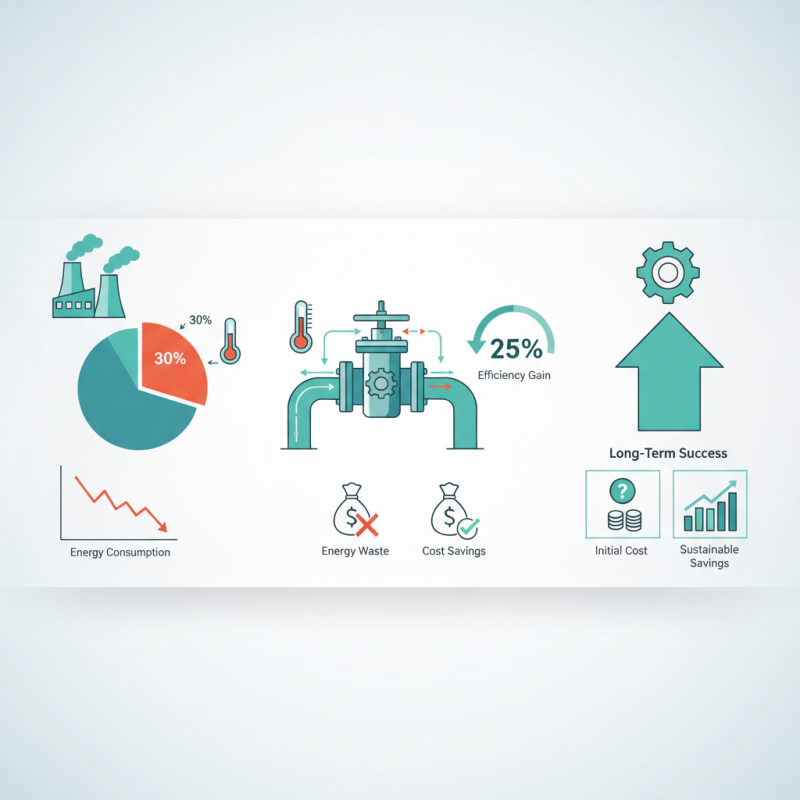
In industrial settings, a temperature control valve is crucial for operational efficiency. According to a recent report by the U.S. Department of Energy, nearly 30% of energy consumption in manufacturing facilities results from temperature regulation. This underscores the significance of effective temperature management.
Temperature control valves play a vital role in optimizing processes. By precisely regulating fluid temperatures, these valves reduce energy waste. In fact, studies have shown that proper temperature control can improve system efficiency by up to 25%. Yet, many facilities still lack adequate controls. This gap can lead to unnecessary expenses and increased operational risks.
While the benefits are clear, not all industries fully embrace temperature control valves. A noticeable hesitation exists, often stemming from initial costs. However, the long-term savings often outweigh these upfront investments. It’s essential to recognize that investing in technology, like a temperature control valve, can lead to sustainable operational success.
Understanding Temperature Control Valves and Their Functionality
Temperature control valves play a crucial role in numerous systems. They regulate the flow of fluids based on temperature readings. This helps maintain optimal operating conditions. Without them, processes can become inefficient and chaotic.
These valves work by opening or closing in response to temperature changes. For example, in a heating system, they can prevent overheating. In cooling systems, they ensure that temperatures stay within desired limits. Sometimes, these valves may malfunction. A stuck valve can lead to wasted energy and increased costs.
Their functionality impacts not just efficiency but also safety. An overheated system can be dangerous. Fluctuating temperatures may cause equipment damage. Understanding how temperature control valves operate can lead to better maintenance practices. Regular checks are essential to prevent issues. After all, nobody wants to deal with an unexpected failure.
The Role of Temperature Control Valves in Energy Efficiency
Temperature control valves play a critical role in enhancing energy efficiency across various industries. By regulating the flow of fluid based on temperature changes, these valves minimize energy consumption. According to the U.S. Department of Energy, poorly managed temperature control can lead to a 30% increase in energy costs. Efficient temperature management reduces this waste.
When systems operate outside their optimal temperature range, energy loss occurs. For instance, a study by the Energy Engineering Department indicated that implementing precise valves can yield up to 20% energy savings in heating and cooling applications. It's essential to consider the impact of maintenance. Regular checks on temperature control valves ensure they function correctly, preventing unnecessary energy loss.
However, not all temperature control systems are perfect. Some may require recalibration, or they may malfunction. Small leaks can go unnoticed, leading to inefficiencies. Recognizing these issues is vital for maximizing efficiency. Enhancing energy systems with a focus on temperature control can drive significant savings and sustainability in industries.
Impact of Temperature Control on System Performance
Temperature control plays a vital role in system performance across various industries. According to a report by the U.S. Department of Energy, improper temperature regulation can reduce system efficiency by up to 25%. This loss translates directly to increased energy costs and diminished productivity. Many facilities overlook the importance of maintaining optimal temperatures. They may face operational disruptions and unexpected maintenance needs.
In addition, the wrong temperature settings can affect product quality. For instance, in manufacturing environments, temperature fluctuations can lead to defects. The American Society of Heating, Refrigerating and Air-Conditioning Engineers (ASHRAE) states that a consistent temperature can enhance product uniformity by 15%. Such data highlights the critical nature of a well-functioning temperature control valve.
Employees may sometimes miss adjusting temperature valves, creating a lag in process efficiency. Regular monitoring is essential but often neglected. A dedicated approach to temperature management can lead to substantial improvements in energy savings and overall performance. Reflecting on these points can help organizations re-evaluate their current systems.
Common Applications of Temperature Control Valves in Industries
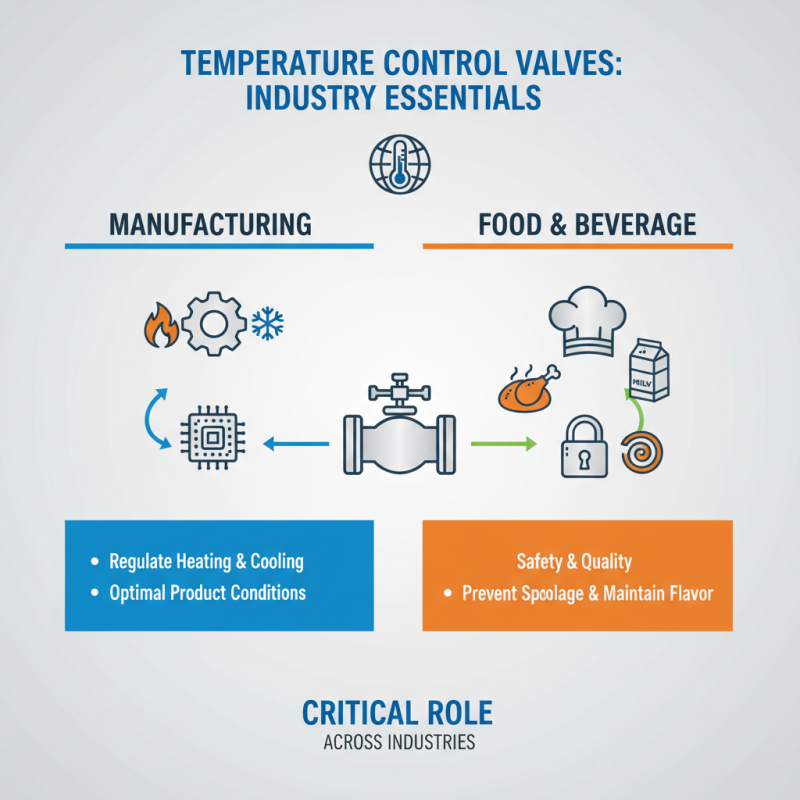
Temperature control valves play a critical role across various industries. In manufacturing, they manage heating and cooling processes. This ensures products are made under optimal conditions. In the food industry, temperature control is vital for safety and quality. Properly regulated temperatures prevent spoilage and maintain flavor.
In HVAC systems, these valves help maintain indoor comfort. They adjust temperatures based on real-time data, ensuring efficiency. This leads to lower energy costs and a reduced carbon footprint. Many companies overlook this simplification. Yet, small adjustments can yield significant savings.
Tips: Regular maintenance is key. Check valves regularly for wear and tear. Avoid long downtimes, as they can lead to negative effects on production. Additionally, consider training staff on the importance of these valves. Awareness can prevent mishaps and promote efficiency.
Maintenance and Troubleshooting of Temperature Control Valves
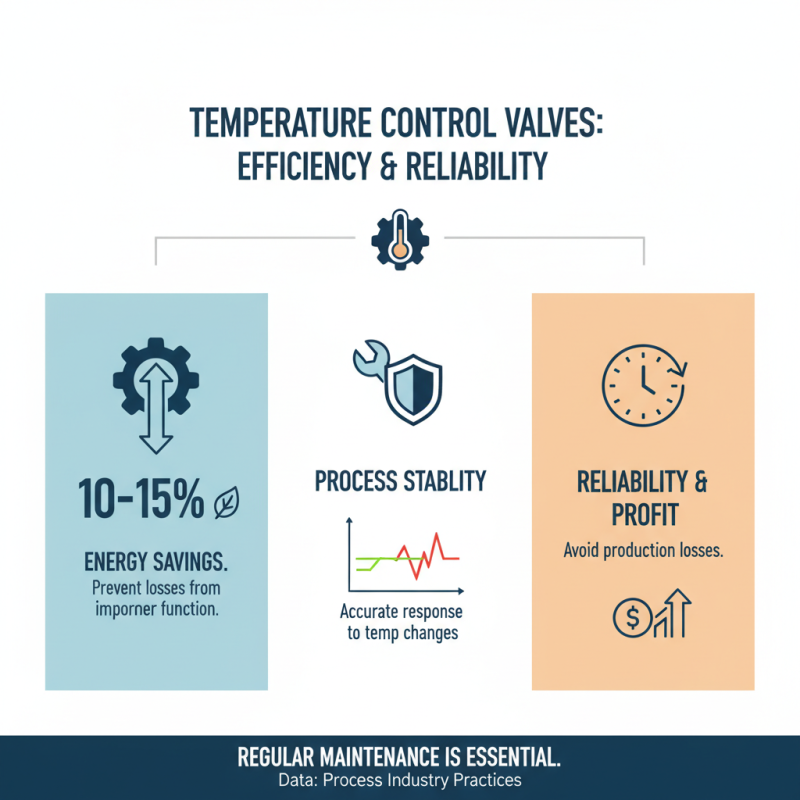
Temperature control valves play a crucial role in maintaining process efficiency. Proper maintenance is not optional; it’s essential for operational reliability. Data from the Process Industry Practices indicates that improper valve function can lead to a 10-15% increase in energy consumption. Regular checks can prevent this. Valves that are poorly maintained may not respond accurately to temperature changes. This unreliability can cause significant production losses.
Troubleshooting valves requires a keen eye. Signs of wear include leakage, unusual noises, or erratic temperature readings. According to industry standards, about 50% of valve failures are due to poor maintenance. Simple tasks like cleaning and inspecting seals can improve performance. However, many operators overlook these steps, resulting in higher costs. Real-world cases reveal that companies often wait too long to act. When they finally do, the repairs can be extensive and costly. Quick and consistent maintenance schedules can prevent these issues. Regularly updating equipment can also ensure that temperature control valves are functioning optimally.