What is a Pressure Compensating Dripper and How Does It Work?
In the realm of irrigation technology, the "Pressure Compensating Dripper" stands out as a pivotal innovation. Industry expert Dr. Sarah Thompson, a leading authority in agricultural engineering, emphasizes its significance: "Pressure compensating drippers ensure uniform water delivery across varied terrains." This insight underlines the essential role of this device in modern irrigation practices.
Pressure compensating drippers are designed to maintain a consistent water flow, regardless of pressure fluctuations. This feature is crucial for farmers striving to optimize water usage. The ability to provide a steady supply of water promotes healthy plant growth. When soil conditions change, the dripper adjusts, delivering the right amount of water.
However, not all systems perform perfectly. Some users may encounter varying performance levels, particularly in demanding conditions. It's important to evaluate the suitability of specific designs for diverse agricultural needs. Recognizing these nuances is vital for successful implementation. Ultimately, pressure compensating drippers can significantly enhance irrigation efficiency, yet users must remain vigilant about their performance and adaptability.
What is a Pressure Compensating Dripper?
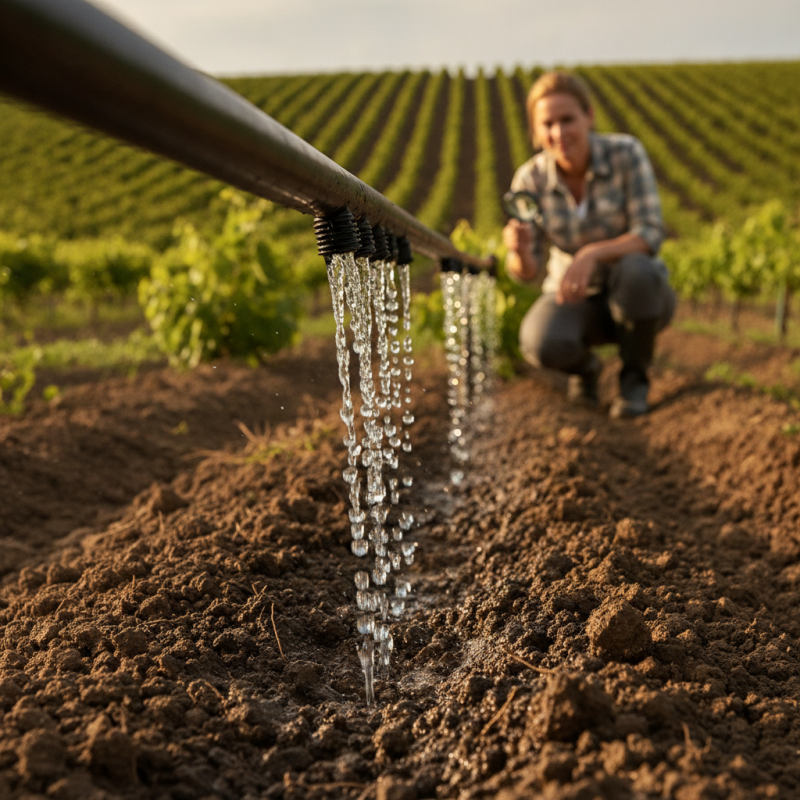
A pressure compensating dripper is a specialized device used in irrigation systems. Its main purpose is to deliver a consistent water flow, regardless of variations in water pressure. Such uniformity is crucial for efficient watering, especially in uneven terrain or long-distance systems. According to industry data, pressure compensating drippers can increase irrigation efficiency by up to 30%.
These drippers work by utilizing internal pressure regulators. They maintain a steady output pressure, ensuring that each dripper operates effectively across different elevation levels. In practical application, farmers may find that even minor pressure changes can lead to significant differences in water distribution. A study revealed that varying pressure could lead to a disparity of up to 60% in water flow, pointing to the importance of using pressure compensating technology.
However, while these systems provide numerous benefits, they also have limitations. Installation costs can be higher compared to traditional drippers. Additionally, maintaining these devices requires regular checks. Faulty regulators can affect performance, leading to inefficiencies. Users need to consider these factors before investing in pressure compensating drippers. Understanding both the advantages and potential challenges is essential for successful irrigation management.
Components of a Pressure Compensating Dripper
Pressure compensating drippers are essential for efficient irrigation systems. Their design includes several critical components that enhance performance. Each dripper features a unique diaphragm, which regulates water flow. This diaphragm adapts to changes in pressure, ensuring a consistent water output, regardless of elevation or distance from the water source.
Another key component is the emitter itself. Emitters are carefully engineered to provide equal distribution across various terrain. They help to prevent water pooling and ensure each plant receives enough moisture. Additionally, the labyrinth channel design within the emitter slows down water flow. This allows for better absorption into the soil.
A pressure compensating dripper may also include filters to eliminate debris. This is crucial, as clogging can lead to uneven watering. Proper maintenance of the filters is necessary for optimal function. Users often overlook this aspect, leading to inefficiencies. While these drippers are sophisticated, they still require careful installation. Misalignment or incorrect positioning can compromise their effectiveness. Regular checks are advisable to ensure that each component performs as intended.
How Pressure Compensation Regulates Water Flow
Pressure compensation is vital for effective irrigation systems. It ensures that water flow remains constant, regardless of pressure changes. This is particularly important in uneven terrain where elevation differences can affect water distribution. According to a report by the Irrigation Association, achieving uniform water delivery can enhance crop yields by up to 30%.
The principle of pressure compensation involves using devices that automatically adjust flow rates. These devices maintain a consistent output regardless of the inlet pressure variations. For example, research indicates that systems employing pressure compensating drippers can reduce water usage by 20% to 50% compared to traditional methods. This is crucial in regions facing water scarcity.
However, not all systems are perfect. Some pressure compensating devices may experience clogging issues, affecting flow consistency. Regular maintenance is essential to prevent such problems. Also, users must pay attention to installation practices to maximize the benefits of these technologies. Even minor errors can lead to significant inefficiencies. Reliable data and consistent monitoring are key to optimizing the benefits of pressure compensation in irrigation.
Benefits of Using Pressure Compensating Drippers in Irrigation
Pressure compensating drippers (PCD) play a vital role in modern irrigation systems. These devices ensure a consistent flow rate despite variations in pressure. This feature allows for even water distribution, which is critical for crop health. In fact, studies show that using PCDs can enhance crop yield by up to 30%. Farmers using these drippers can significantly reduce water waste, leading to more sustainable practices.
One notable benefit of PCDs is their adaptability. They can perform well across various terrains and climate conditions. When installed correctly, they minimize the chances of over- or under-watering plants. Research indicates that PCDs can save around 20-50% more water compared to traditional emitters. This is particularly important in water-scarce regions, where every drop counts. However, it is essential to regularly check for clogs and maintenance issues, as these can undermine their efficiency.
Implementing pressure compensating drippers can also lead to reduced labor costs. With uniform watering, plants require less manual intervention. Some farmers report a decrease in labor hours dedicated to irrigation management. This not only saves money but also frees up time for other essential farming activities. Yet, it is crucial to keep in mind that improper installation can lead to uneven water distribution. Regular training and monitoring are necessary for optimal results.
Benefits of Using Pressure Compensating Drippers in Irrigation
Applications of Pressure Compensating Drippers in Agriculture
Pressure compensating drippers are pivotal in modern agriculture. They maintain a consistent flow of water, regardless of pressure variations in the irrigation system. This characteristic is particularly beneficial in uneven terrain. For instance, studies show that yield improvements can reach up to 30% in crops like tomatoes and cucumbers when using pressure compensating drippers compared to traditional methods.
In orchards and vineyards, these drippers minimize water wastage. They ensure deep and uniform water penetration in the root zones. This precision not only conserves water but also enhances soil health. A report from the Irrigation Association highlights that using such technology can save up to 50% water compared to traditional irrigation systems. Farmers have seen notable reductions in costs associated with water usage.
Tips: Regularly inspect drippers for clogs. A small blockage can lead to uneven watering. Also, adjust irrigation schedules based on weather reports to optimize water use. Remember, the goal is to provide just enough moisture without over-irrigating. This delicate balance is crucial for sustainable farming practices.


