What is a Motorized Valve Actuator and How Does It Work?
A motorized valve actuator is a crucial component in modern automation systems. It is designed to control the opening and closing of valves. These devices enhance efficiency in various industries, such as water treatment and HVAC.
Motorized valve actuators use electricity to automate valve operations. As a result, they reduce the need for manual intervention. This brings about significant convenience and accuracy. However, understanding their workings is essential for effective application. Some people may assume they are simple devices. In reality, they require careful selection and installation to function properly.
The technology behind motorized valve actuators continues to evolve. While many applications benefit from them, challenges remain. Users must consider factors like power supply and compatibility. This can be overlooked during installation. Reflecting on these points is vital for successful integration.
What Is a Motorized Valve Actuator: Definition and Purpose
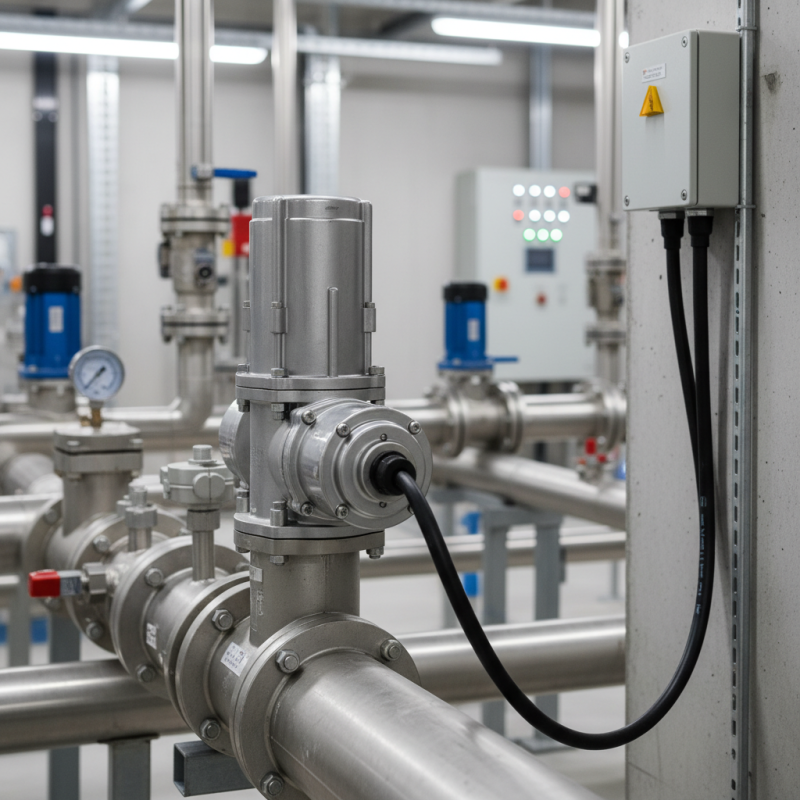
A motorized valve actuator is a device that controls the opening and closing of a valve using an electric motor. Its main purpose is to automate processes in various industries, such as HVAC, water supply, and chemical manufacturing. By providing precise control, motorized actuators enhance system efficiency and reliability.
When an electric signal is received, the actuator's motor moves. This movement can either open or close the valve, depending on the command. Electric sensors often provide feedback, ensuring the valve reaches the desired position accurately. It's essential to consider the actuator's power requirements and compatibility with the valve it controls.
**Tips:** Ensure proper calibration for accurate operation. Regularly check the actuator for wear and tear. Watch for any unusual sounds or movements during operation. If something doesn’t feel right, it’s wise to inspect further. Correct adjustments can prolong the actuator’s lifespan. Consider the environmental conditions where the actuator operates. Extreme temperatures or humidity can impact performance.
Key Components of Motorized Valve Actuators and Their Functions
Motorized valve actuators are essential in many industrial applications. They control the opening and closing of valves. Understanding their key components is important for effective operation. A common actuator design features an electric motor, gears, and position feedback sensors. Each of these parts plays a critical role in valve management.
The electric motor is the heart of the actuator. It converts electrical energy into mechanical motion. This movement drives the valve mechanism. Gears are used to amplify this motion. They ensure that even a small motor movement results in significant valve changes. Position feedback sensors are equally vital. They help monitor the valve’s position and provide feedback to the control system. This feedback ensures that the valve is precisely where it needs to be for optimal flow control.
Tips: Regularly inspect your motorized valve actuators for wear and tear. Minor issues can escalate quickly. Document performance data during usage. Analyzing this data can reveal patterns and help prevent failures. Always ensure that the power supply is stable. An unstable supply can lead to erratic actuator behavior.
Types of Motorized Valve Actuators: Electric vs. Pneumatic
Motorized valve actuators are crucial in industries like oil, gas, and manufacturing. They operate valves automatically. There are two main types: electric and pneumatic. Each has unique capabilities and limitations.
Electric actuators are powered by electricity. They offer precise control and are easy to integrate into automated systems. According to a market report, the electric actuator segment is expected to grow at a compound annual growth rate (CAGR) of 5% from 2021 to 2026. This growth highlights their increasing adoption in sectors needing precision. However, they can be more expensive to install.
Pneumatic actuators use compressed air for operation. They can respond quickly and are ideal for high-speed applications. A study shows that pneumatic actuators represent about 30% of the market share. They are often preferred for robustness in extreme conditions. Yet, the need for an air supply can be a drawback. Deciding between electric and pneumatic options often depends on specific operational needs.
Operational Mechanism: How Motorized Valve Actuators Work
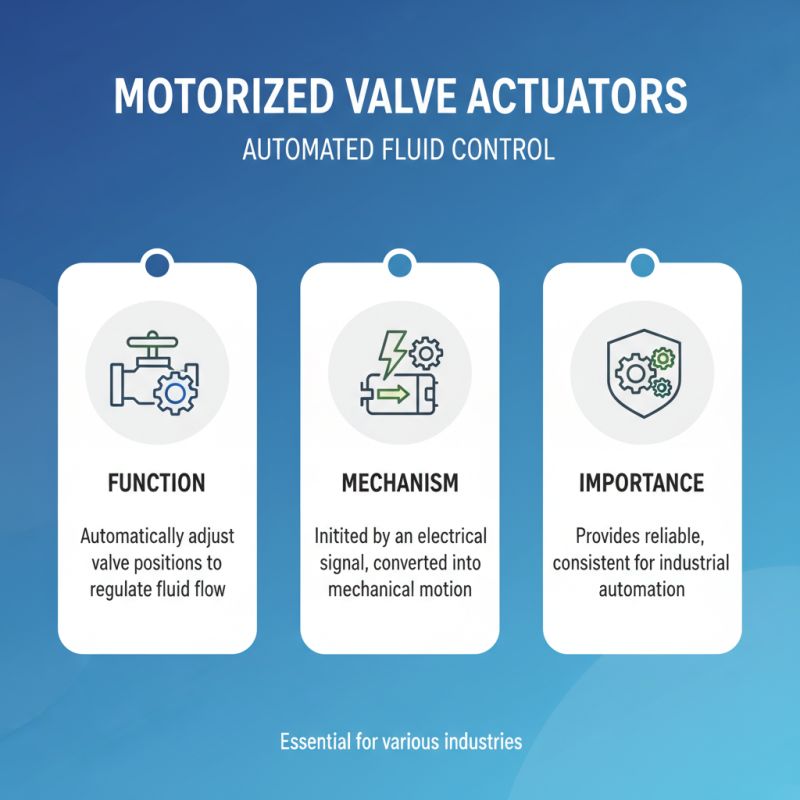
Motorized valve actuators are essential devices used in various industries. They control the flow of fluids by adjusting valve positions automatically. These actuators function through an electrical signal that initiates a mechanical movement. This mechanism is reliable and consistent, making it indispensable in automation processes.
The operational mechanism primarily relies on electric motors. When the actuator receives a signal, the motor spins, turning gears that move the valve. This movement can be linear or rotary depending on the valve type. Precision is crucial. Any slight misalignment can lead to inefficiencies. It's also noteworthy that feedback systems are often integrated. They ensure that the valve reaches the desired position accurately.
Despite their advantages, there are challenges. Regular maintenance is essential. Wear and tear can affect performance. Additionally, power failures can disrupt operations. In such cases, manual overrides may be needed, highlighting the importance of redundancy in system design. A thoughtful approach is required to balance automation and reliability in valve control systems.
Applications of Motorized Valve Actuators in Various Industries
Motorized valve actuators play a crucial role in multiple industries. They automate the control of valves, ensuring precise flow regulation in processes. In water treatment, these actuators help manage the flow of chemicals and clean water. Accurate dosing is vital for safety and efficiency. Similarly, in HVAC systems, they regulate airflow and maintain comfort levels.
In the oil and gas sector, motorized actuators are key to controlling pipelines. They respond quickly to pressure changes, helping prevent leaks. This technology enhances operational efficiency and reduces risks associated with manual controls. While they offer many advantages, improper installation can lead to failures and costly downtimes.
Tips: Regular maintenance is essential. Inspect actuators periodically for wear and tear. Proper training for operators ensures safe handling. In some cases, using redundant systems can improve safety further. Consider the specific needs of your applications to maximize performance.
Applications of Motorized Valve Actuators in Various Industries