Low Pressure Check Valve Tips for Optimal Performance?
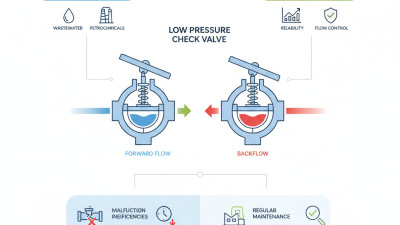
The low pressure check valve plays a crucial role in many fluid systems. According to industry reports, about 30% of valve failures stem from improper installation or maintenance. This emphasizes the need for effective practices in managing these components. Low pressure check valves prevent backflow in pipelines, ensuring fluid moves in one direction.
Recent studies indicate that choosing the right materials and designs can enhance valve longevity. Many engineers overlook the importance of valve sizing, which can lead to significant inefficiencies. A mismatched low pressure check valve may cause leaks or pressure drops.
Consideration of the installation environment is also vital. Extreme temperatures or corrosive substances can degrade valve performance over time. Using appropriate seals and coatings is often neglected, leading to performance issues. Awareness of these factors is crucial for optimizing the functionality of low pressure check valves in any application.
Understanding Low Pressure Check Valves and Their Functionality
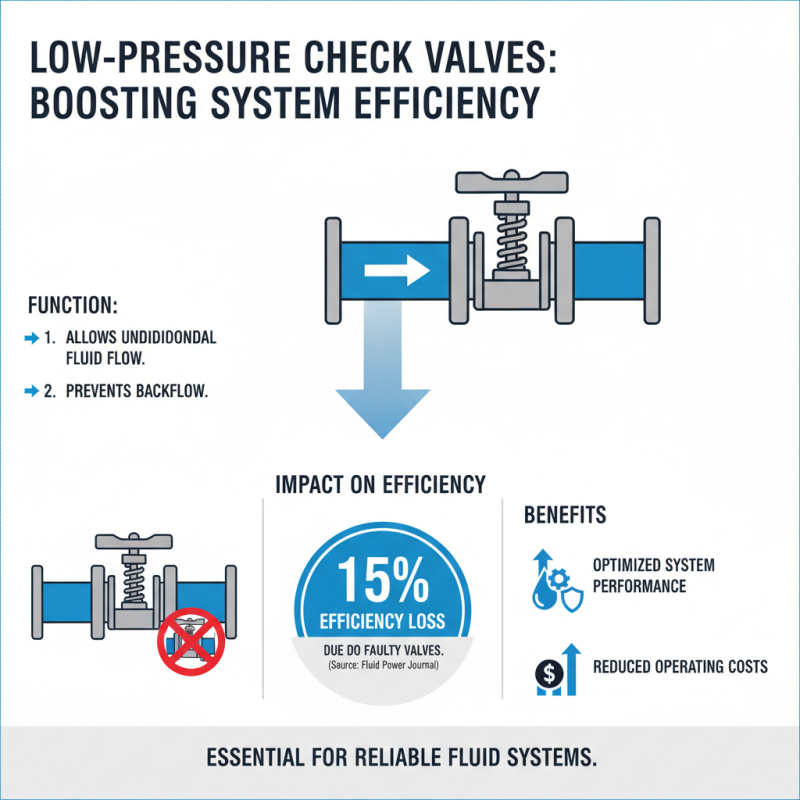
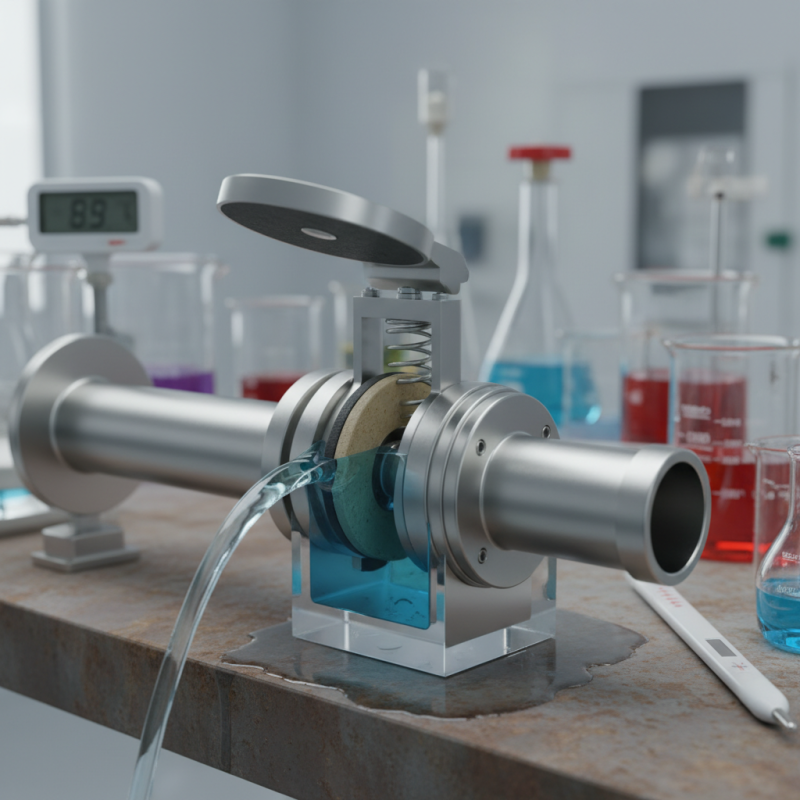
Low pressure check valves are essential components in various fluid systems. They ensure that fluids flow in one direction while preventing backflow. Understanding their functionality can significantly impact system efficiency. A study by the Fluid Power Journal indicates that improperly functioning check valves can cause a 15% reduction in system efficiency.
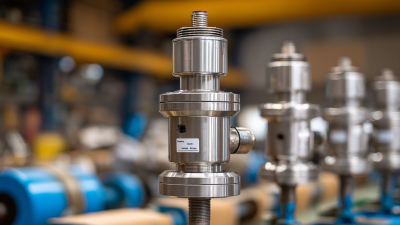
When choosing a low pressure check valve, it is crucial to consider the material of construction. Common materials include brass, plastic, and stainless steel. Each material offers different advantages and potential drawbacks. For example, plastic valves are lightweight but may wear out faster under high temperatures or aggressive chemicals. On the other hand, metal valves tend to be more durable but heavier. Using inappropriate materials can lead to premature failure.
Maintenance is often overlooked but vital for optimal performance. Regular inspection can help identify leaks or blockages. A report by the American Society of Mechanical Engineers suggests that 30% of maintenance issues stem from neglected check valves. Timely attention to these components can prevent costly downtime. Understanding how low pressure check valves work can lead to informed decisions, enhancing fluid system reliability.
Key Design Features that Impact Performance of Check Valves
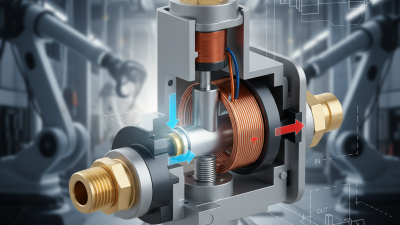
When it comes to low pressure check valves, design features play a critical role in their performance. The materials used in construction affect durability and resistance to corrosion. Selecting the right material ensures the valve can withstand various conditions without failure. Stainless steel or brass are popular choices for long-lasting performance.
The valve seat design is equally important. A precisely engineered seat allows for better sealing and prevents leaks. Poor sealing can lead to backflow, rendering the valve ineffective. Regular maintenance of the seat and other components helps in prolonging the valve’s lifecycle.
Tips for optimizing the performance of check valves include regular inspections. Look for signs of wear or damage. This proactive approach ensures prompt repairs before major issues arise. Additionally, ensuring correct installation allows valves to function as intended. Misalignment can cause unintended wear or failure. Consider using a professional for proper installation.
Maintenance Tips for Enhancing Low Pressure Check Valve Longevity
Low pressure check valves play a crucial role in various systems, ensuring that fluid flows in the desired direction. Maintaining these valves is key to their efficiency and longevity. According to industry data, over 30% of valve failures stem from improper maintenance. Regular inspection can help identify issues before they escalate.
One simple maintenance practice involves cleaning the valve regularly. Debris buildup can impede functionality. Studies show that just 10 minutes of cleaning every month can double the lifespan of a check valve. This task often gets overlooked, leading to premature failures.
Another important tip is to monitor the valve's pressure settings. Pressure fluctuations can cause wear and tear. Research indicates that check valves function optimally at a specified pressure range. If adjustments are needed, make them promptly. Ignoring these details may result in costly repairs down the line. Regular maintenance checks are essential, and documentation of each visit can provide insights into patterns of wear.
Common Issues in Low Pressure Check Valves and Their Solutions
Low pressure check valves are crucial for various systems. However, issues often arise that can hinder their performance. One common problem is the accumulation of debris. According to industry reports, nearly 30% of valve failures are attributed to blockages. These blockages can lead to leakage or failure to close completely, causing significant system inefficiencies.
Another widespread issue is improper installation. Many technicians overlook alignment and sealing, resulting in premature wear. Studies show that poorly installed check valves can reduce their lifespan by up to 50%. Regular inspections can mitigate this risk, yet only 40% of facilities report having a consistent maintenance schedule. This lack of vigilance might result in unexpected downtime and costly repairs.
Additionally, pressure spikes during operation can stress these valves. Data indicates that fluctuations over the recommended threshold can cause material fatigue. Using pressure regulators could be a simple solution. However, many operators lack awareness of this practice. Addressing these issues can significantly improve the lifecycle and reliability of low pressure check valves. Regular training on best practices may enhance operational efficiency.
Selecting the Right Low Pressure Check Valve for Your Application
Selecting the right low pressure check valve is crucial for optimal system performance. In many applications, these valves serve to prevent backflow, ensuring system integrity. According to industry reports, improper selection can lead to pressure drops up to 25%. This emphasizes the need for meticulous evaluation.
Consider the specific needs of your application. The valve's material affects its durability and compatibility with various fluids. For example, using plastic valves can result in significant wear if exposed to certain chemicals. Furthermore, the valve size must match the system's intended flow rate. A mismatch can cause turbulence and inefficiency. Research shows that a well-chosen valve can improve energy efficiency by 15%.
Do not overlook the installation process. Misalignment or poor sealing can result in leakage, which diminishes performance. Proper installation can be as critical as the valve selection itself. Sometimes, it’s worth reassessing your current setup to identify potential areas of improvement. Valves need regular checks to ensure they meet operational standards. Failure to do so can lead to unexpected maintenance costs and system downtime.