How to Choose the Right Dual Valve for Your Needs?
Choosing the right dual valve can significantly impact your system’s efficiency. Dual valves control fluid flow effectively in various applications. However, selecting the most suitable one can be challenging.
Consider your specific needs when choosing a dual valve. Is it for a heating system or for industrial uses? Size, pressure, and flow rate all play critical roles. A wrong choice may lead to inefficiencies or even system failures.
Many users overlook the importance of compatibility. Ensure that the dual valve matches your existing setup. Evaluate the materials used and longevity. Don't settle for average. Aim for a dual valve that meets your expectations and enhances performance. It’s worth investing time in this decision.
Understanding Dual Valves: Types and Applications
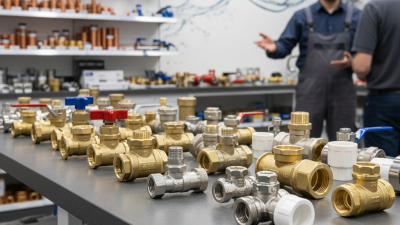
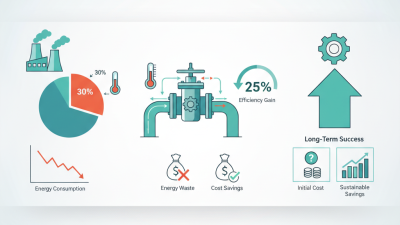
Understanding dual valves requires knowledge of their types and applications. Dual valves are critical in various settings. They often control and direct the flow of fluids or gases in industrial systems. According to the International Society of Automation, around 30% of valve failures occur due to improper selection. This emphasizes the need for a careful evaluation of needs before selecting a valve.
Two common types of dual valves include the ball valve and the butterfly valve. Ball valves are known for providing a tight seal and quick operation, suitable for on-off control. On the other hand, butterfly valves are favored for their space-saving design. A study by the Valve Manufacturers Association states that butterfly valves can reduce the overall footprint of valve systems by up to 40%. However, each type has its drawbacks, such as potential leakage issues in ball valves.
Another consideration is the application environment. High-temperature or high-pressure settings may necessitate unique valve materials or designs. Failure to account for environmental factors can lead to decreased efficiency. Reports indicate that improper valve selection can increase operational costs by approximately 25% over time. Thus, understanding the specific requirements can significantly enhance system reliability.
How to Choose the Right Dual Valve for Your Needs?
| Type of Dual Valve |
Application |
Operating Pressure (psi) |
Material |
Size (Inches) |
| Ball Valve |
Water Supply |
150 |
Brass |
1 |
| Check Valve |
Drainage Systems |
100 |
PVC |
2 |
| Gate Valve |
Irrigation |
200 |
Stainless Steel |
3 |
| Butterfly Valve |
HVAC Systems |
150 |
Ductile Iron |
4 |
Factors to Consider When Choosing a Dual Valve
When selecting the right dual valve, several factors should be considered. An essential aspect is the flow rate. According to industry data, an optimal flow rate is critical for performance. If the flow rate is too low, efficiency drops. Conversely, a high flow rate can lead to pressure loss. Knowing the specific needs of your application helps determine the appropriate flow rate.
Another consideration is the material of the valve. Different environments require different materials. For example, plastics are suitable for corrosive fluids, while metals may be better for high-pressure situations. Industry reports show that over 40% of valve failures are due to inappropriate material choices. Taking the time to analyze your environment can help avoid costly mistakes.
Finally, installation and maintenance are key. Ease of installation can reduce downtime. Regular maintenance ensures longevity and reliability. Statistics suggest that regular checks can improve valve lifespan by over 25%. However, many users neglect this, leading to potential failures. Reflecting on these factors will aid in making a more informed choice.
How to Evaluate Valve Specifications and Performance
Choosing the right dual valve requires careful evaluation of specifications and performance metrics. Begin by assessing the valve’s pressure rating. A study indicated that valves with a pressure rating above 150 PSI often perform more reliably in high-demand applications. It’s crucial to understand how this rating aligns with your system requirements.
Next, look at flow characteristics. The valve's Cv (flow coefficient) provides insight into flow rates. Reports show that valves with a higher Cv often exhibit better performance in dynamic systems. This means quicker response times and greater efficiency. Pay attention to the valve's material as well. Certain materials offer better corrosion resistance, extending life and reducing maintenance needs.
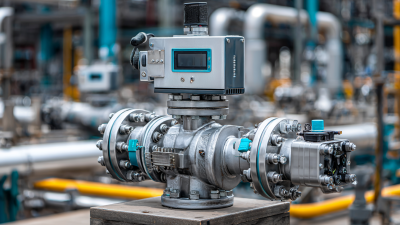
Finally, consider the actuator type. Actuators can significantly influence response times. Data suggests that electric actuators operate faster than pneumatic ones in many scenarios. However, they may require more precise control. Assess the environmental conditions too. If the valve is exposed to extreme temperatures, choosing the right insulating materials can prevent failures. Evaluate these aspects carefully. Each choice impacts the overall performance and reliability of your system.
Pressure Ratings of Dual Valves
Comparing Brands: Quality, Cost, and Customer Support
Choosing the right dual valve can be tricky. Many brands offer various features at different price points. Quality should always come first. Some valves might look attractive but don’t stand the test of time. Always read reviews before making a decision.
Cost is another critical factor. A lower price often means compromised quality. However, a high price does not guarantee excellence. Be wary of brands that charge a premium without solid proof of reliability. Sometimes, the best products come from lesser-known manufacturers.
Customer support is frequently overlooked. You might encounter issues after your purchase. Reliable customer service can make all the difference. Check how easy it is to reach them. An unclear warranty or slow response time may signal deeper issues. It's essential to reflect on these factors before committing.