2026 How to Choose the Right Actuator Valve for Your Application?
Choosing the right actuator valve is critical for optimizing system performance and efficiency. The global actuator valve market is projected to grow by 6.2% annually, reaching $10 billion by 2026. This growth highlights the increasing reliance on automation and precise control in various industries. Yet, selecting the ideal actuator valve can be challenging, given the vast options available.
Factors like valve type, media, and application requirements all play a role. A well-chosen actuator valve improves not only performance but also safety. However, errors in selection can lead to significant downtime and increased maintenance costs. Statistics show that 20% of actuator valve failures stem from incorrect selection.
Understanding specific operating conditions and compatibility is essential. This avoids operational setbacks. Industry experts emphasize the importance of thorough analysis to ensure your actuator valve fulfills its intended purpose. Balancing cost, performance, and longevity is crucial. In a rapidly evolving market, making informed decisions is key to success.
Understanding Different Types of Actuator Valves and Their Functions
Choosing the right actuator valve involves understanding various types and their unique functions. Pneumatic, hydraulic, and electric actuators each provide specific advantages. For example, pneumatic actuators excel in rapid operation and are often used in the chemical industry. However, they may struggle in high-pressure applications.
Hydraulic actuators offer incredible force and precise control. They are commonly employed in heavy machinery and industrial systems. Yet, they require careful maintenance to prevent leaks and system failures. According to a report by the International Society of Automation, 40% of actuator failures are due to inadequate maintenance.
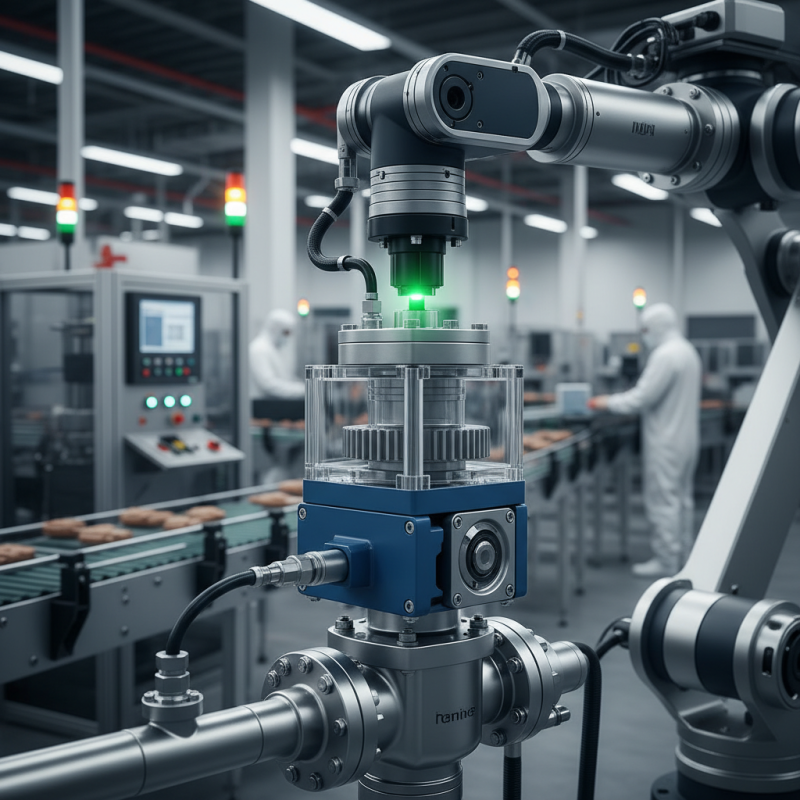
Electric actuators shine in environments demanding efficiency and minimal noise. They have gained popularity in sectors like food processing. Yet, they may not perform well in extreme temperatures. Often, users overlook compatibility. This oversight can lead to costly replacements or downtime. Understanding the specific needs of your application is crucial for making informed choices.
2026 Actuator Valve Types and Applications
Key Factors to Consider When Selecting an Actuator Valve
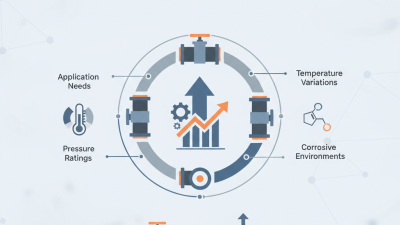
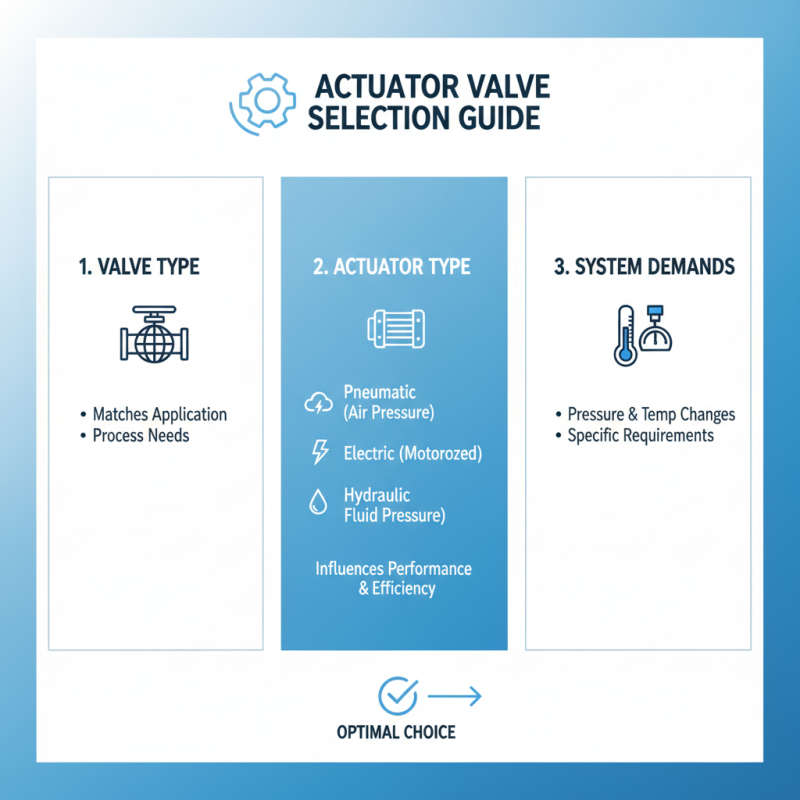
When selecting an actuator valve, consider crucial factors. The type of valve should match your application's needs. Actuator types vary, influencing performance and efficiency. Pneumatic, electric, and hydraulic actuators have distinct characteristics. They react differently under pressure or temperature changes. Ensure you choose based on your system's specific demands.
Another vital aspect is the environment where the actuator will operate. Extreme temperatures, humidity, and corrosive substances can affect functionality. Think about the materials of the valve and actuator. Some materials perform better under harsh conditions. Choosing the wrong combination can lead to failures and costly downtime.
Sizing is also crucial. An improperly sized actuator can underperform or be excessively powerful. This can result in inefficient operations. Analyze flow rates and pressure drops before making a decision. Seek expert advice if uncertain. Making the right choice can improve system reliability significantly. But remember, constant monitoring and maintenance are essential for optimal performance. Reflect on past experiences to avoid repeating mistakes.
Evaluating Actuator Valve Compatibility with Your System
When evaluating actuator valve compatibility with your system, consider several key factors. The actuator type should match the valve design. Electric, pneumatic, or hydraulic actuators each have unique requirements. Ensure the actuator's torque output aligns with the valve's specifications. This match guarantees efficient operation without risk of damage.
Tips: Always check the
power supply requirements for your actuator. Compatibility issues can arise from overlooked power needs. Also, think about the
environment. A valve operating in extreme temperatures may need special materials. Don't rush this decision; it can save time and money later.
Furthermore, assess control system
integration. The actuator should seamlessly work with existing controls. Some systems might need additional components for proper communication.
This can complicate installation. Seek advice if you're unsure. Sometimes, simpler solutions can be more effective than complex setups. Reflect on the
long-term needs of your system as well;
adaptability may become crucial.
Exploring Maintenance and Reliability Aspects of Actuator Valves
Choosing the right actuator valve for your application is crucial.
Maintenance and reliability are key factors that should not be overlooked.
Actuator valves control fluid flow, and their performance directly impacts system efficiency.
If maintenance is neglected, it can lead to failures. Regular inspection can catch issues early.
A well-maintained actuator valve can save time and costs. Components like seals and gaskets wear out.
When they do, leaks can occur. This is costly and inefficient.
Operators must plan for routine checks to ensure proper function. Sometimes, overlooked aspects can lead to major setbacks.
Reliability also hinges on environmental factors.
Extreme temperatures can affect performance. Additionally, debris can clog the mechanisms.
A clean environment reduces wear and tear.
Users should consider these factors when deciding on valve types.
Inadequate attention to these elements may result in unexpected failures.
Cost-Benefit Analysis of Various Actuator Valve Options
When selecting an actuator valve, it's crucial to consider a cost-benefit analysis. Different actuator options come with varying price tags and functionalities. Investing in a high-quality actuator may seem expensive upfront. However, it can lead to long-term savings through reduced maintenance and increased reliability.
Tips: Research the lifespan of different actuators. Longer-lasting options may justify the initial cost.
Electric, pneumatic, and hydraulic actuators each have their own strengths and weaknesses. For instance, electric actuators are excellent for precise control but can be pricier. Pneumatic actuators are typically cheaper but may require more maintenance. It’s important to weigh both performance and costs. Sometimes, choosing a lower-cost option upfront can lead to higher expenses later.
Tips: Always evaluate the total cost of ownership, not just the purchase price.
Before making a decision, list your application's specific requirements. Include factors like response time, environmental conditions, and energy efficiency. This detailed evaluation helps in finding the most suitable actuator valve. Remember, the cheapest option isn't always the most effective in the long run. Reflect on past choices and learn from them.
2026 How to Choose the Right Actuator Valve for Your Application? - Cost-Benefit Analysis of Various Actuator Valve Options
| Actuator Type |
Cost ($) |
Energy Consumption (W) |
Response Time (s) |
Durability (Years) |
Applications |
| Electric Actuator |
300 |
50 |
2 |
10 |
HVAC, Water Treatment |
| Pneumatic Actuator |
250 |
75 |
1.5 |
8 |
Manufacturing, Automation |
| Hydraulic Actuator |
500 |
100 |
1 |
15 |
Heavy Industries, Robotics |
| Manual Actuator |
100 |
N/A |
N/A |
20 |
Water Systems, Small Valves |