How to Choose the Right Temperature Control Valve for Your Needs?
Choosing the right temperature control valve can significantly impact process efficiency across various industries. According to a report by Markets and Markets, the global temperature control valve market is projected to reach USD 2.84 billion by 2025, growing at a CAGR of 6.5%. This highlights the increasing reliance on precise temperature management in manufacturing and energy sectors.
Expert in thermal control systems, Dr. Emily Ruiz, states, "Selecting the correct temperature control valve is crucial for optimal performance." Her insight reflects the industry's emphasis on precision. The right valve ensures stability, safety, and energy efficiency, making informed selection paramount.
However, many face challenges when navigating the available options. Factors such as material compatibility, pressure requirements, and control methods require careful consideration. Often, users overlook specific details, leading to suboptimal choices. Such oversights can result in increased maintenance costs and reduced system efficiency. Thoughtful evaluation of needs is essential for achieving desired operational outcomes.
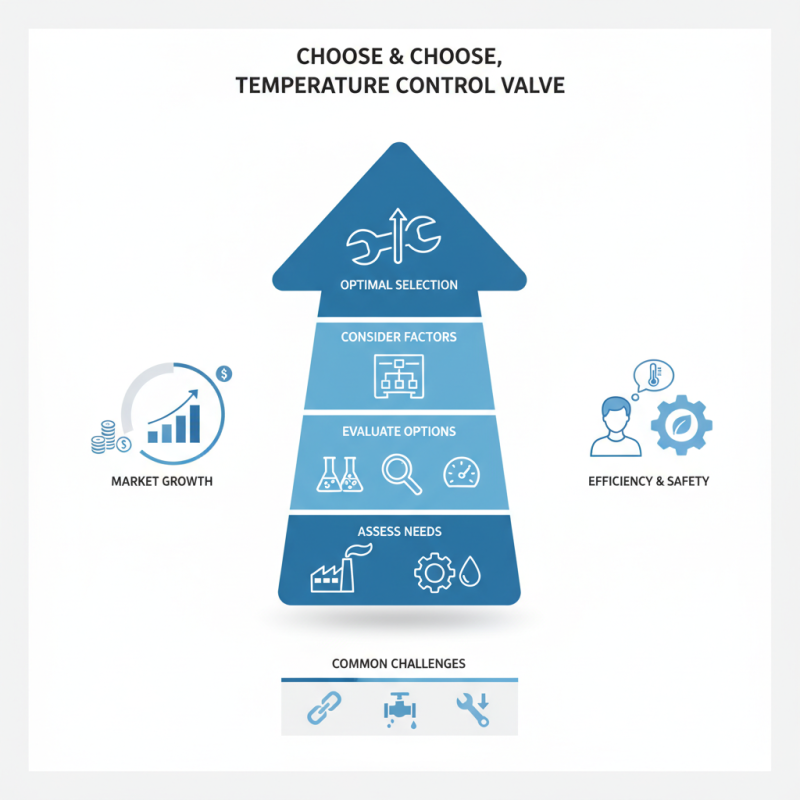
Understanding Temperature Control Valves and Their Importance
Temperature control valves are crucial in various industries. They regulate the temperature of fluids in systems, ensuring optimal performance. These valves help maintain safe conditions in processes ranging from HVAC systems to food production. Their importance cannot be overstated, as improper temperature regulation can lead to inefficiencies, safety hazards, and product spoilage.
When choosing a temperature control valve, consider factors like fluid type and system pressure. There are several types of valves, including control valves and thermostatic valves. Each serves a different purpose. A thorough understanding of your system's needs is vital. Often, people rely on general advice instead of specific requirements. This can lead to suboptimal choices, highlighting the need for personalized assessments.
Installation is another area where missteps can occur. Proper setup affects performance. Even a well-chosen valve can fail if not installed correctly. Ensure to consult with experts or refer to installation guidelines. It's a common mistake to overlook this aspect, but careful attention can enhance reliability and efficiency. Understanding the nuances of temperature control valves will enhance your system’s performance and longevity.
Temperature Control Valves Comparison
Factors to Consider When Selecting a Temperature Control Valve
When selecting a temperature control valve, several critical factors warrant attention. The type of media being controlled plays a significant role. For instance, valves in water systems may not perform well in applications involving oil or steam. According to a 2023 industry report, more than 30% of valve failures result from incompatible media, making this a vital consideration.
Another factor is the required flow rate. Different systems demand specific flow characteristics. A valve that is too large may cause turbulence, while one that is too small can restrict flow. A study from the American Society of Mechanical Engineers indicated that an improper valve size could result in a 15% efficiency drop in heating systems. Ensuring that the flow rate aligns with the valve's specifications is crucial for optimal performance.
Temperature range is equally important. Some valves can only operate within a narrow temperature band. If the application frequently exceeds these limits, the valve may fail prematurely. Additionally, consider the installation environment. Harsh conditions can accelerate wear and tear. Over 25% of equipment failures relate to environmental stressors, according to research by the International Society of Automation. Selecting the right materials and designs can mitigate such risks, leading to enhanced reliability.
How to Choose the Right Temperature Control Valve for Your Needs?
| Factor |
Description |
Importance Rating (1-5) |
| Temperature Range |
Consider the minimum and maximum temperatures the valve will need to handle. |
5 |
| Fluid Type |
Identify whether the valve will be used for water, oil, steam, or other fluids. |
4 |
| Flow Rate |
Determine the required flow rate through the valve for effective temperature control. |
4 |
| Response Time |
Consider how quickly the valve needs to respond to changes in temperature. |
5 |
| Construction Material |
Choose materials that are compatible with the fluid and suitable for operating conditions. |
4 |
| Control Method |
Decide whether to use manual, pneumatic, or electronic control methods. |
3 |
Types of Temperature Control Valves and Their Applications
When selecting a temperature control valve, understanding the different types is crucial. Common types include globe valves, ball valves, and butterfly valves. Each type serves specific applications. For instance, globe valves are often used in systems requiring fine flow control. Ball valves provide quick and tight shut-off, ideal for high-temperature processes. Butterfly valves are lightweight and suitable for large flow rates, commonly used in HVAC systems.
Tips: When choosing a valve, consider the operating pressure and temperature range. Make sure the materials withstand the operating conditions. Do not overlook the importance of flow capacity.
In some cases, standard options may not fit your needs perfectly. Custom solutions could provide the necessary flexibility. However, they may come with higher costs. Always evaluate the trade-offs between budget and performance. Quality installation can make all the difference, so invest time in planning the setup.
Evaluating Quality and Performance in Temperature Control Valves
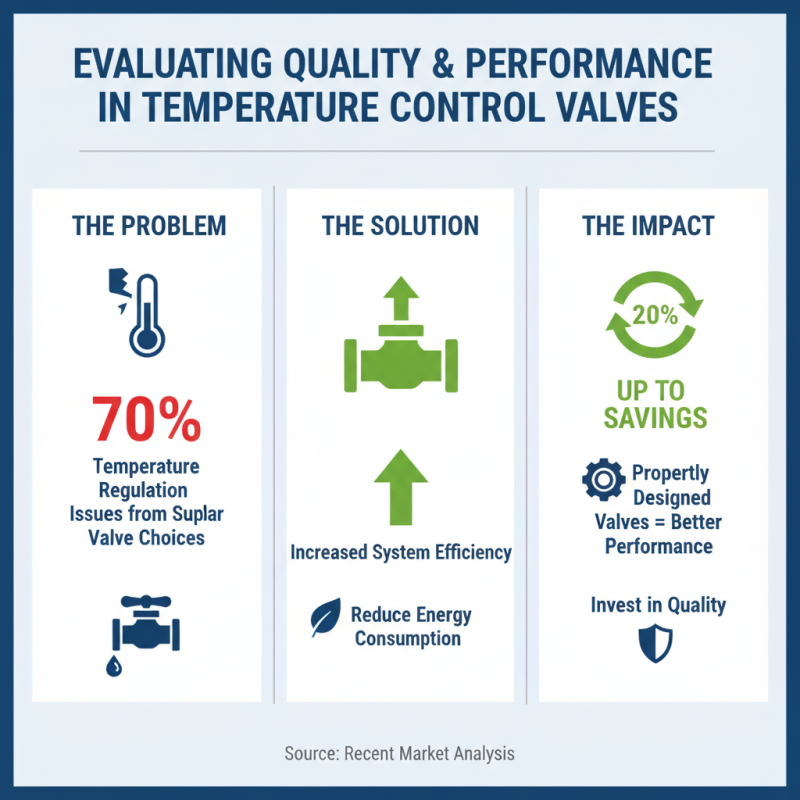
When selecting a temperature control valve, quality and performance should be paramount. A recent market analysis indicates that nearly 70% of temperature regulation issues stem from subpar valve choices. Properly designed valves can significantly increase system efficiency, reducing energy consumption by up to 20%. These statistics underscore the importance of investing time in choosing the right valve.
Key features to evaluate include material quality, response time, and pressure ratings. Valves made from durable materials, such as stainless steel or high-grade composites, resist corrosion and enhance longevity. Look for valves with robust performance metrics. For instance, a response time under 2 seconds is often ideal for maintaining stable temperatures in critical applications. Such specifications reflect a valve’s ability to perform under various conditions.
However, it's essential to acknowledge that not all products that claim to provide optimal performance will hold up in real-world applications. Industry reports suggest that approximately 30% of installations encounter issues related to valve failures. Regularly reviewing performance data and feedback from installations can reveal hidden problems. This introspection can lead to better informed decisions when selecting temperature control valves, ensuring both reliability and efficiency in your systems.
Common Mistakes to Avoid When Choosing Temperature Control Valves
Choosing the right temperature control valve requires careful consideration. One common mistake people make is overlooking the specific requirements of their application. Each system has unique conditions, such as pressure or flow rate, impacting valve performance. Ignoring these details can lead to inefficient temperature regulation.
Another frequent error involves selecting a valve based solely on cost. While budget matters, a lower-priced valve may lack durability or accuracy. You may find yourself facing frequent replacements, which increase long-term costs. Always assess the valve's specifications and the manufacturer’s reputation before purchasing.
Many buyers also underestimate the importance of installation conditions. A valve that works well in one setting might fail in another. For instance, high ambient temperatures could affect its operation. It's crucial to evaluate environmental factors to ensure optimal functionality. Overall, approaching the selection process with attention to detail can significantly enhance your system's efficiency.