How to Choose the Right Pneumatic Actuator Valve for Your System?
Choosing the right pneumatic actuator valve for your system can be a challenging task. It requires careful consideration of various factors, including pressure requirements, flow rates, and application types. A pneumatic actuator valve plays a crucial role in controlling the flow of air or gas within a system. Understanding its components and functions is key to making an informed decision.
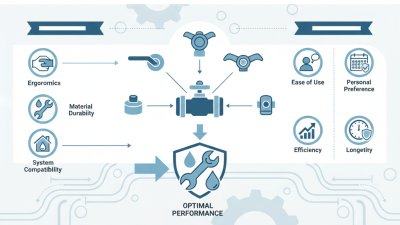
In today’s diverse industrial landscape, the right pneumatic actuator valve can enhance efficiency and performance. However, many overlook the importance of compatibility with existing systems. Some may opt for generic solutions, missing out on the specific benefits tailored to their needs. Proper evaluation of options is essential for optimal operation.
Many users find themselves grappling with technical specifications and installation challenges. Misunderstanding valve types or applications can lead to costly errors. It’s vital to engage in thorough research and possibly consult experts. Making a hasty choice can ultimately compromise system integrity and performance. Emphasizing quality and suitability will pave the way for successful system integration.
Understanding the Basics of Pneumatic Actuator Valves
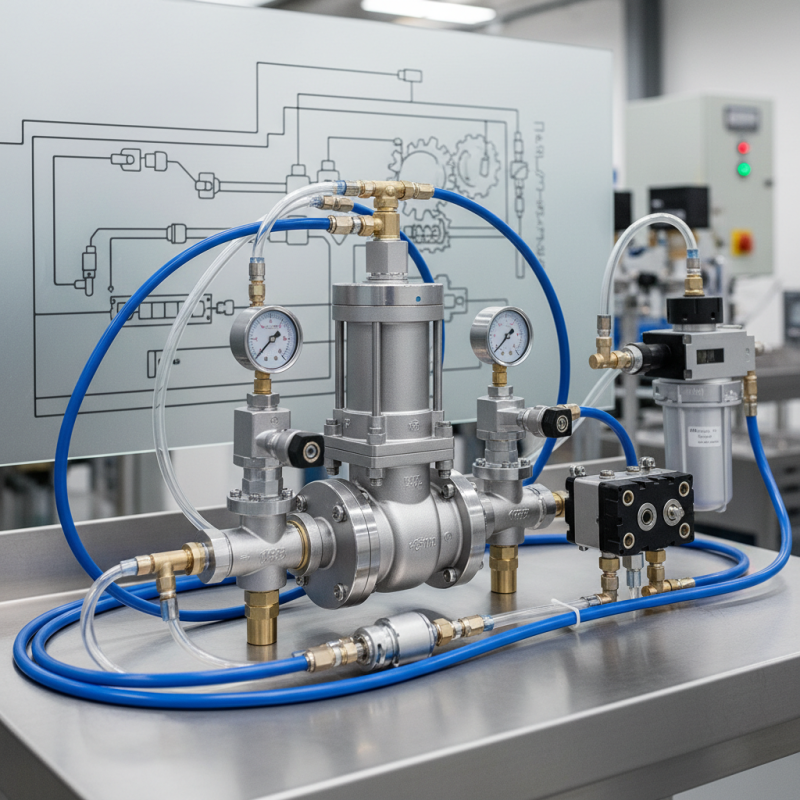
Pneumatic actuator valves play a crucial role in various industrial applications. Understanding their basics is essential for making informed choices. These valves rely on compressed air to operate efficiently. According to industry reports, over 70% of industrial processes utilize pneumatic systems. This statistic highlights the widespread adoption of pneumatic actuator technology.
Choosing the right pneumatic actuator valve requires knowledge of specific parameters. For instance, pressure ratings and response times are vital. Many operators overlook the importance of these details. A mismatch can lead to system inefficiencies. Research indicates that improper valve sizing can decrease system performance by up to 30%. It's crucial to analyze flow rates based on application needs.
Pneumatic actuator valves come in different styles, including linear and rotary designs. Each style serves unique operational requirements. Users should consider compatibility with existing systems. Several reports suggest that approximately 40% of pneumatic system failures result from incorrect actuator selection. These numbers emphasize the need for careful evaluation. Investing time in understanding these components can enhance system reliability.
Identifying Your System Requirements and Constraints
Identifying the requirements of your system is critical when choosing a pneumatic actuator valve.
Consider the specific pressure range your system operates in.
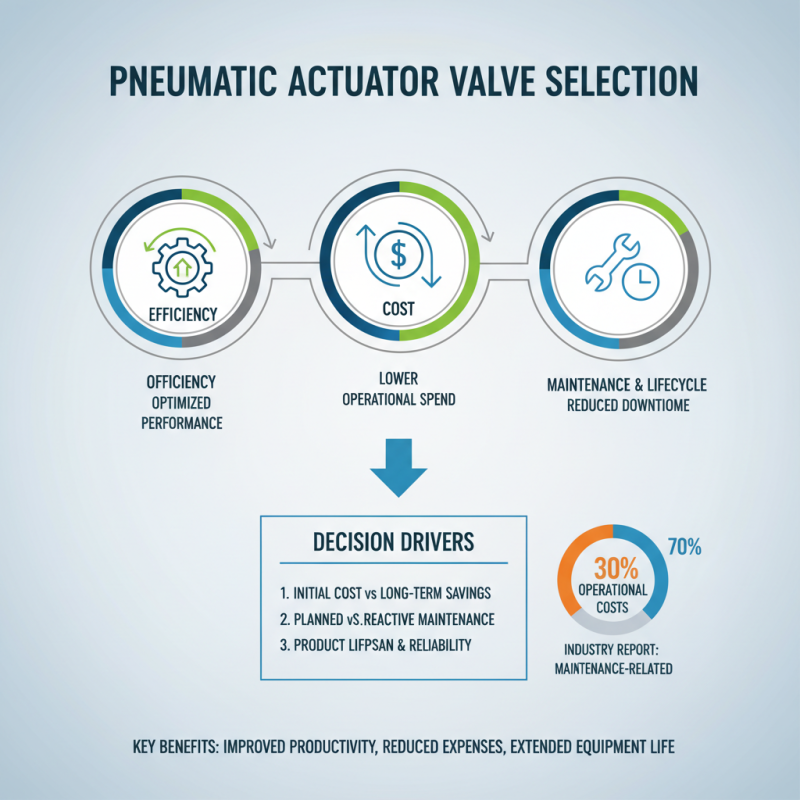
Industry standards show that more than 60% of system failures relate to incorrect pressure ratings of components.
This makes it crucial to ensure your actuator valve matches your system's operational pressure.
If the valve cannot handle your system’s pressure, failures can occur, disrupting operations.
Another important factor is the environmental conditions. If your system operates in extreme temperatures or corrosive environments, the actuator needs to withstand these conditions.
According to a recent market report, 40% of actuator failures are related to environmental factors.
For example, a valve that is not rated for high humidity can corrode quickly.
This not only reduces the lifespan of the actuator but can also lead to expensive repairs.
Lastly, evaluate the size and installation constraints.
Space issues can limit the type of actuator you can install.
Details like mounting configurations and the available space for operation affect the choice significantly.
A mismatch here can lead to operational inefficiencies and increased maintenance costs.
Addressing these factors can guide your selection process, but be prepared for the complexities that may arise during implementation.
Evaluating Different Types of Pneumatic Actuator Valves
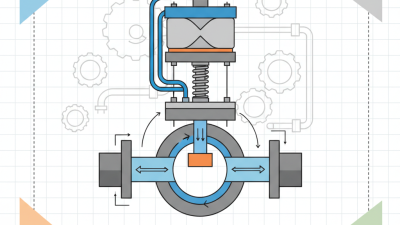
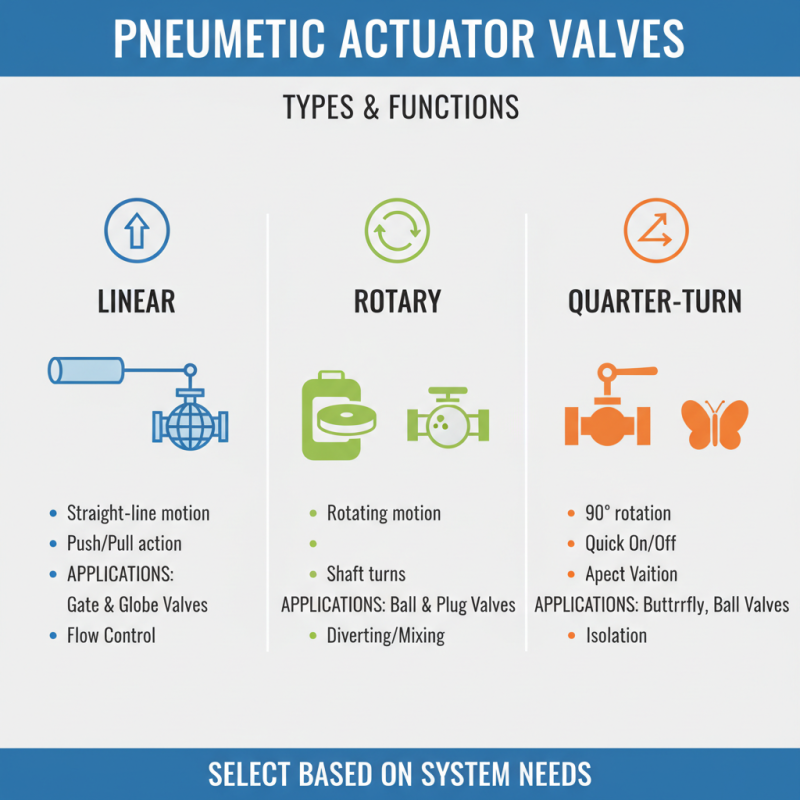
When exploring pneumatic actuator valves, it’s essential to understand the various types available. These valves come in different designs, each catering to specific applications. Actuator types include linear, rotary, and quarter-turn. Understanding how each type functions will aid selection based on your system's needs.
Linear pneumatic actuators drive a rod in a straight line. They are commonly used in processes requiring precise movement. On the other hand, rotary actuators provide a circular motion. These are ideal for valves that need to open or close in a 90-degree turn. Both types have their strengths. Yet, they also have limitations that require thoughtful consideration. For instance, linear actuators may not fit in confined spaces, while rotary actuators might not manage heavy loads effectively.
Material choices also impact the actuator's performance. Common materials include aluminum and stainless steel. Each material affects durability and resistance to corrosion. If an actuator is used in a harsh environment, choosing wisely is crucial. Depending on your situation, one might overlook the importance of these factors. It could lead to unexpected failures down the line.
Comparing Actuator Sizing and Torque Specifications
Choosing the right pneumatic actuator valve for your system often hinges on proper sizing and torque specifications. The actuator needs to match the valve size, and this can be tricky. If the actuator is too small, it won't operate the valve correctly. Conversely, an oversized actuator may waste energy and create unnecessary wear.
Torque specifications play a crucial role in this equation. Every valve has a torque requirement based on its design and application. Consider the nature of the medium flowing through the valve. Higher viscosity liquids need more torque to operate effectively. Ignoring this factor can lead to operational failures. It's easy to overlook these details, but they can be detrimental.
While selecting, ask yourself about operating conditions and alignment. A misaligned actuator will not perform well. Pay attention to environmental factors as well. Some actuators are not suited to extreme temperatures. Reflecting on these aspects can lead to better decisions. Ultimately, the right choice will ensure efficient system performance and longevity.