Why Choose Spring Return Actuator for Your Automation Needs?
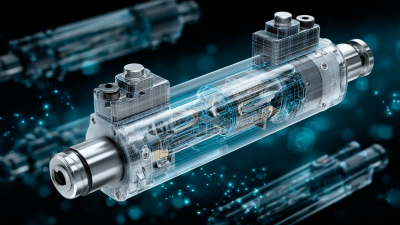
In the ever-evolving world of automation, the choice of actuators is crucial. Industry expert John Miller states, "Spring return actuators deliver unmatched reliability and performance." This highlights the importance of selecting quality components for automation systems. Spring return actuators are known for their safety features and efficient operation.
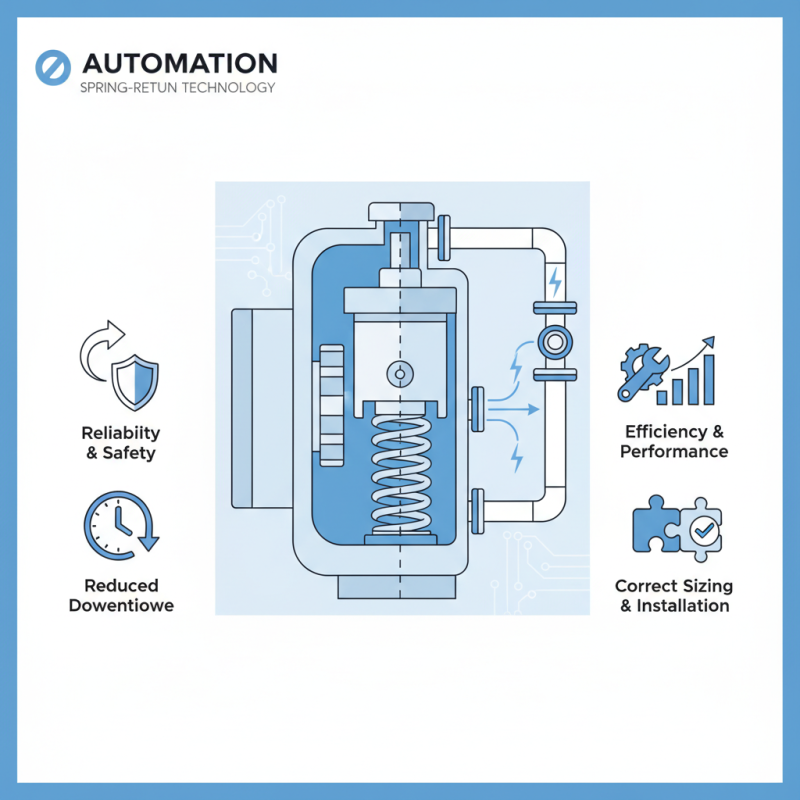
These devices automatically return to a preset position when power is lost. This makes them essential in critical applications. Their design minimizes the risk of failure, enhancing system uptime. Companies benefit from reduced emergency downtime, which can be costly.
While spring return actuators have advantages, they require careful consideration. Correct sizing and installation are key to optimizing performance. Manufacturers often overlook these aspects, leading to potential failures. Investing in quality spring return actuators and proper installation can significantly impact operation efficiency and safety.
Advantages of Spring Return Actuators in Automation Applications
When considering automation applications, spring return actuators offer distinct advantages. These powerful devices ensure consistent and reliable operation. By utilizing a spring mechanism, they can return to a defined position when power is lost. This feature is vital for safety in critical systems.
One benefit of spring return actuators is their simplicity. They reduce complexity in system design. Their straightforward mechanism allows for easy installation and maintenance. This can save time and costs in the long run. Additionally, they require less frequent adjustments, making them a trustworthy choice for many applications.
Tips: Always consider the load and operating environment when selecting an actuator. Adjusting the spring tension can improve performance but may require expertise. Regularly check for wear and tear to maintain reliability. Proper training will enhance understanding and facilitate better usage.
Spring return actuators also provide excellent precision. They can quickly return to a desired position. The actuator’s responsiveness is critical in applications where timing is crucial. However, it’s essential to acknowledge that not all applications may benefit from using them. Understanding the specific requirements of your system will lead to better outcomes.
Market Trends and Growth of Spring Return Actuator Technologies
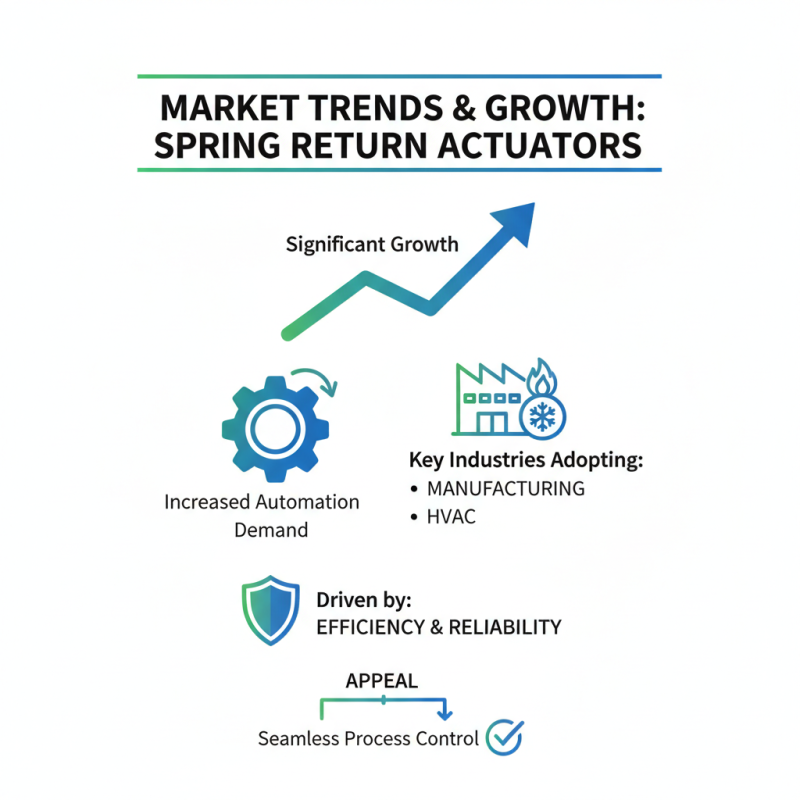
The spring return actuator market is experiencing significant growth. This rise is driven by increased demand for automation across various industries. Industries like manufacturing and HVAC are adopting these actuators for their efficiency and reliability. The ability to control processes seamlessly makes them appealing.
Trends indicate a shift towards more compact designs. Smaller actuators can fit into tighter spaces, appealing to modern machinery needs. Enhanced materials and technology improve performance and longevity. However, challenges remain in standardization and integration. Users often face compatibility issues, causing frustration in implementation.
The focus on energy efficiency is another key trend. Spring return actuators consume less power, aligning with sustainability goals. Companies are looking for eco-friendly solutions. Despite the benefits, careful consideration is needed when selecting actuators. Detailed analysis of specific needs is crucial for optimal performance. Choosing the right technology requires balancing cost, efficiency, and reliability.
Comparative Analysis: Spring Return Actuators vs. Electric Actuators
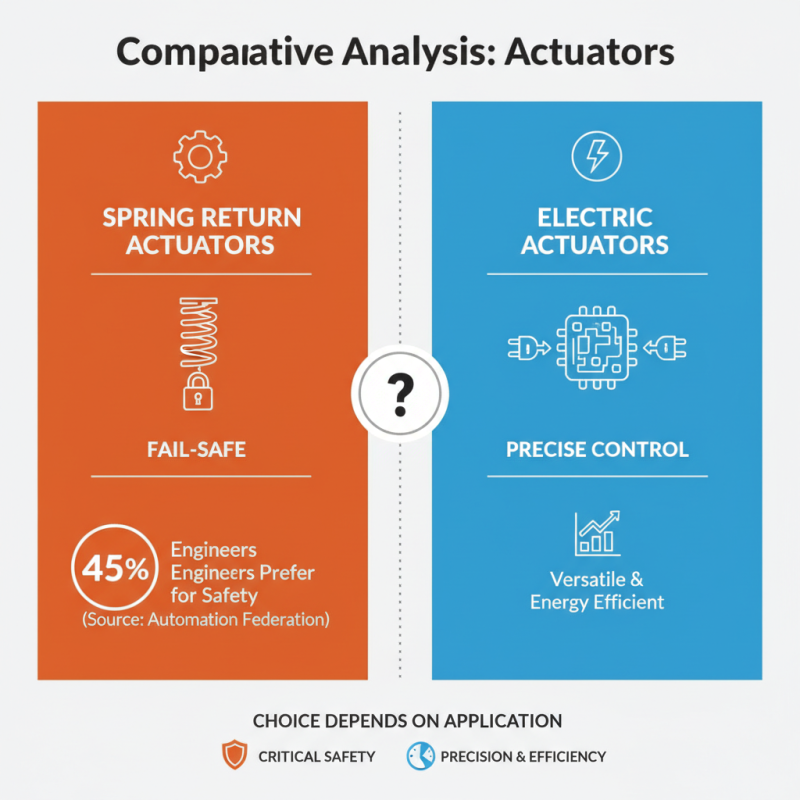
When considering automation solutions, the choice between spring return actuators and electric actuators can be pivotal. Spring return actuators use mechanical springs stored under tension to provide a reliable fail-safe. They are especially favored in critical applications where safety is paramount. According to industry reports from the Automation Federation, 45% of automation engineers prefer spring return actuators for their robust safety features.
On the other hand, electric actuators offer precise control over motion and speed. They are often praised for their efficiency and ease of integration with digital systems. However, studies show they can be more susceptible to failure without adequate programming and monitoring. In environments with frequent power outages or surges, electric actuators may underperform, creating potential risks in automated processes.
Tip: When selecting an actuator, assess the specific operational environment. For critical applications, spring return actuators may provide the reliability that electric actuators lack. Also, consider the maintenance requirements of each type. Electric actuators may need regular calibration, whereas spring return options often require less frequent servicing. Balancing these factors is essential for achieving optimal performance in automation systems.
Key Technical Specifications of Spring Return Actuators for Automation
Spring return actuators are essential tools for automation systems. They provide reliable and efficient mechanisms for controlling valve positions. These actuators feature a spring mechanism that automatically returns the valve to a preset position when power is lost. This reliability ensures safety in system operations.
The technical specifications of spring return actuators are impressive. They typically operate at various torque levels, catering to different applications. The standard range varies from 20 to 1000 Nm. Additionally, they include settings for speed adjustments, enabling precise control. Many units have robust IP ratings, ensuring durability in harsh environments. The most successful installations often focus on the actuator's response time, which can significantly impact system efficiency.
However, selecting the right actuator isn’t always straightforward. Users must consider factors like compatibility with existing systems and environmental conditions. Improper selection can lead to failure or inefficiency. Evaluating technical specifications is crucial. A small oversight might result in inadequate performance, raising safety concerns. Testing different configurations can help fine-tune the automation system for optimal results.
Industry Applications: Utilizing Spring Return Actuators in Various Sectors
Spring return actuators play a crucial role in various industries, from manufacturing to HVAC systems. These devices operate efficiently by returning to a predefined position once power is lost. Research from the Automation Industry Association indicates that the demand for reliable actuators is increasing, with industrial automation projected to grow by 9% annually until 2025.
In the oil and gas sector, spring return actuators enable critical safety functions. They are essential for shutting down valves during emergencies. A report by the International Energy Agency highlights that automated control systems can reduce operational risks by 30%. This shows how vital spring return actuators are for enhancing safety and efficiency in high-stakes environments.
In HVAC applications, these actuators facilitate temperature regulation and air quality management. According to a study by the American Society of Heating, Refrigerating and Air-Conditioning Engineers, well-regulated environments can improve worker productivity by up to 25%. However, the challenge lies in ensuring that actuators are properly calibrated. Misalignment can lead to inefficient operation, underscoring the need for regular maintenance and checks.