How to Choose the Right Pneumatic Solenoid Valve for Your Needs?
Choosing the right pneumatic solenoid valve can be challenging. An industry report from Valin Corporation highlights that the global market for pneumatic solenoid valves is expected to reach $1.25 billion by 2025. This growth reflects the increasing demand for efficient automation in manufacturing processes.
Expert James Anderson, a renowned figure in valve technology, once noted, "Selecting the appropriate pneumatic solenoid valve influences system performance significantly." Understanding your specific requirements is crucial. Factors like pressure, flow rates, and compatibility play vital roles in making the right choice.
However, many often overlook their unique needs, leading to suboptimal performance. An ill-suited valve can hinder efficiency and increase operational costs. Reflecting on design and application is essential in ensuring you choose wisely.
Understanding Pneumatic Solenoid Valves and Their Applications
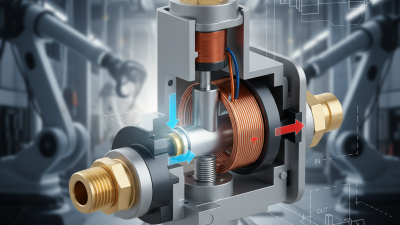
Pneumatic solenoid valves play a critical role in various applications. They control the flow of air in systems that rely on pneumatic power. Understanding how these valves function is essential for making informed choices. They operate by using an electromagnetic coil that, when energized, opens or closes the valve.
These valves are found in industrial automation, robotics, and HVAC systems. Their reliability makes them popular for controlling actuators and cylinders. It’s important to signal accurately. Failing to do this can lead to inefficient operations. Some users may struggle with selecting the right valve for specific tasks. Recognizing the pressure requirements and flow rates is essential.
Choosing the wrong valve could result in leakage or failure. Such mistakes can disrupt processes. Therefore, examining specifications deeply is crucial. Sometimes, the information may not be readily available. Users must carefully review all aspects to avoid poor decisions. Ensuring compatibility with existing systems is vital to achieving optimal performance.
Key Factors to Consider When Selecting a Pneumatic Solenoid Valve
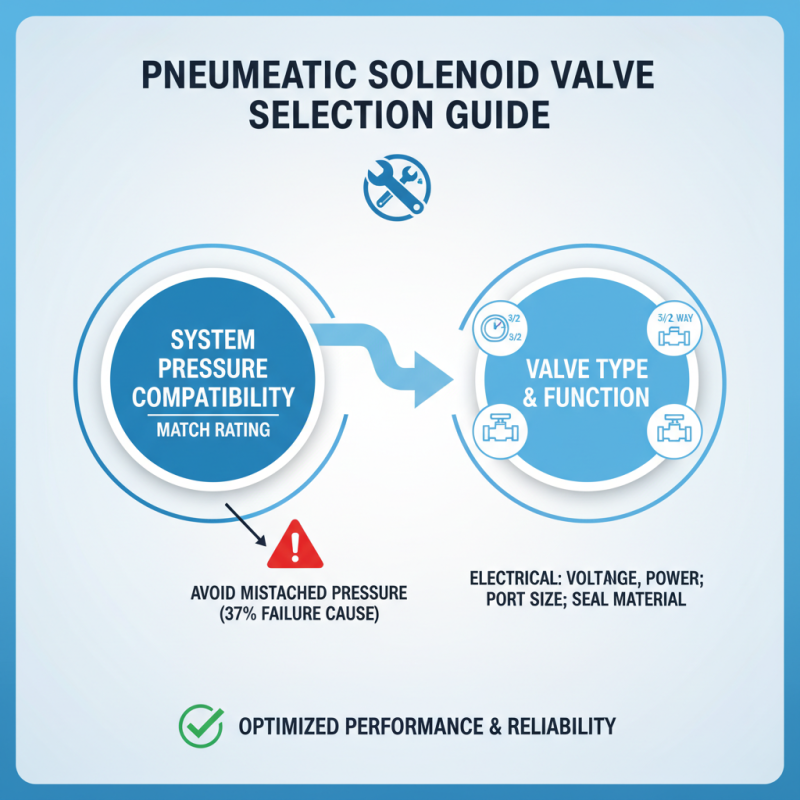
When selecting a pneumatic solenoid valve, several key factors should be examined closely. The valve’s compatibility with your system pressure is vital. Reports show that up to 37% of pneumatic system failures are due to mismatched pressures. Ensure the valve's rating aligns with your system specifications to avoid failures.
Another important consideration is the valve’s response time. According to industry studies, a slower response can lead to a 15% decrease in system efficiency. If your application requires rapid actuation, opt for a valve designed for high-speed performance.
The medium that flows through the valve is also crucial. Some materials are more prone to corrosion, which can lead to a failure rate of up to 10% over time. Regular maintenance checks are essential, yet often overlooked. It is worth reflecting on the importance of these choices before making a final decision. The right valve can significantly impact your overall operation.
Different Types of Pneumatic Solenoid Valves and Their Functions
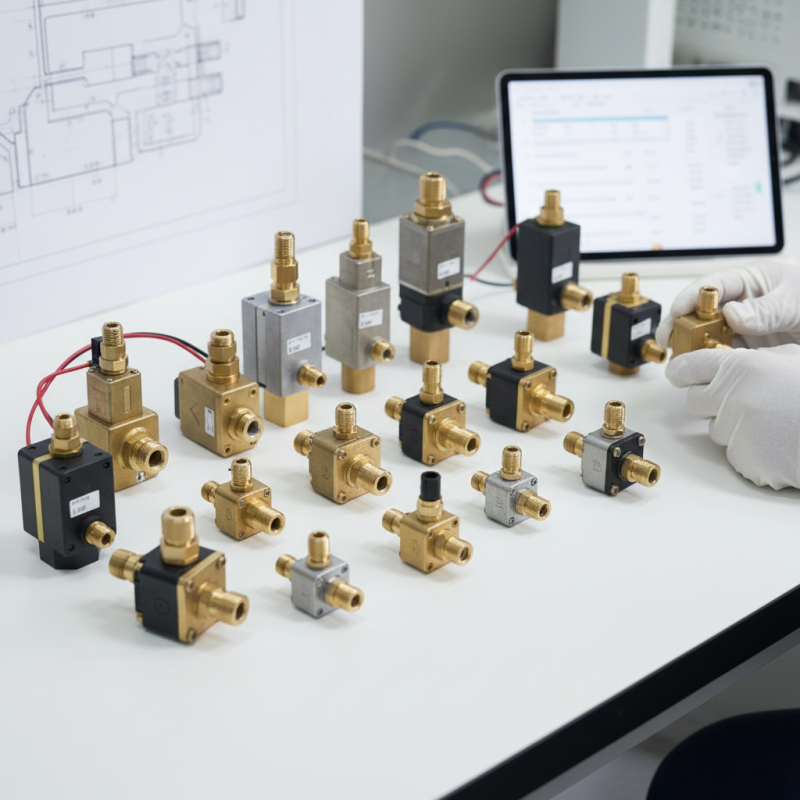
When selecting a pneumatic solenoid valve, understanding the types available is crucial. These valves come in various designs, each serving specific functions. A direct-acting valve works well for low-pressure applications. It activates directly from the solenoid without needing pilot pressure.
On the other hand, a pilot-operated valve is more suitable for larger flows and high-pressure systems. It uses air pressure from the system to help actuate the valve.
Another type is the normally closed valve. This valve remains shut until the solenoid is energized. It is ideal for applications where safety is a concern. A normally open valve, however, operates the opposite way. It allows flow until the solenoid activates and closes the valve. This can create interesting challenges in system design.
Consider the choice carefully to avoid unnecessary troubleshooting. Remember, not all valves fit every application. An appropriate selection can lead to better efficiency and lower maintenance needs.
Evaluating Specifications for Optimal Performance and Compatibility
When choosing a pneumatic solenoid valve, specifications play a crucial role. Start by identifying the medium that will pass through the valve. Air, water, and various gases have different requirements. For instance, using water could require materials resistant to corrosion. This choice can significantly affect performance and longevity.
Consider the pressure rating as well. High-pressure applications need valves designed to withstand those conditions. A gap between pressure ratings and actual usage may lead to failures. Observe the environment as well. Factors like temperature and humidity can influence valve performance. You might overlook these details now, but they can lead to issues down the line.
Also, the valve's response time matters. Some applications need rapid actuation, while others can function with slower responses. Evaluating specifications may seem tedious, but skipping this step can lead to mismatches. Reflect on your application's true needs. A misfit can be costly, both financially and operationally. Seek clarity and ensure your choice aligns with the operational demands.
Common Mistakes to Avoid When Choosing a Pneumatic Solenoid Valve
Choosing a pneumatic solenoid valve may seem straightforward, but many make common mistakes. One common error is neglecting to consider the valve’s pressure rating. Using a valve beyond its rating can lead to failures. Always check the specifications to ensure the valve can handle your system's pressure.
Another mistake is ignoring the fluid compatibility. Not all valves work with every fluid. Some may corrode or fail when exposed to certain chemicals. Understanding what your system uses is vital. Do your research or consult technical resources before making a decision.
Tip: Take time to read product literature. It often contains critical information. You may find details that can save you future headaches.
Also, remember to assess the valve's response time. A slow valve can cause delays in your system. Consider how fast your application needs to react and choose accordingly. Clarifying these aspects upfront can lead to a smoother implementation.
Tip: Regularly review your system's needs. Requirements may change over time, and what was once ideal may no longer fit your application. Make adjustments when necessary to avoid potential issues.
How to Choose the Right Pneumatic Solenoid Valve for Your Needs? - Common Mistakes to Avoid When Choosing a Pneumatic Solenoid Valve
| Dimension |
Importance |
Common Mistakes |
Recommendations |
| Pressure Rating |
Critical for performance |
Choosing too low of a pressure rating |
Confirm system pressure before selection |
| Valve Type |
Determines function |
Not understanding application needs |
Assess application carefully |
| Power Source |
Affects compatibility |
Overlooking electrical requirements |
Double-check power supply specifications |
| Port Size |
Influences flow rate |
Selecting inappropriate sizes |
Match port sizes to application needs |
| Body Material |
Affects durability |
Ignoring environmental factors |
Choose materials suitable for the environment |