How to Choose the Best Temperature Control Valve for Your Needs in 2026?
Choosing the right temperature control valve can be a daunting task. In 2026, the industry is evolving rapidly. Expert Angela Turner, a leading figure in the temperature control valve sector, emphasizes, “Efficiency and precision are crucial in selecting the right valve.” Her insights highlight the growing importance of tailored solutions for different applications.
When considering a temperature control valve, many factors come into play. You need to assess the specific requirements of your system. For instance, the pressure, flow rate, and medium type are critical. Your choice may affect not only performance but also energy consumption. Many forget this vital aspect.
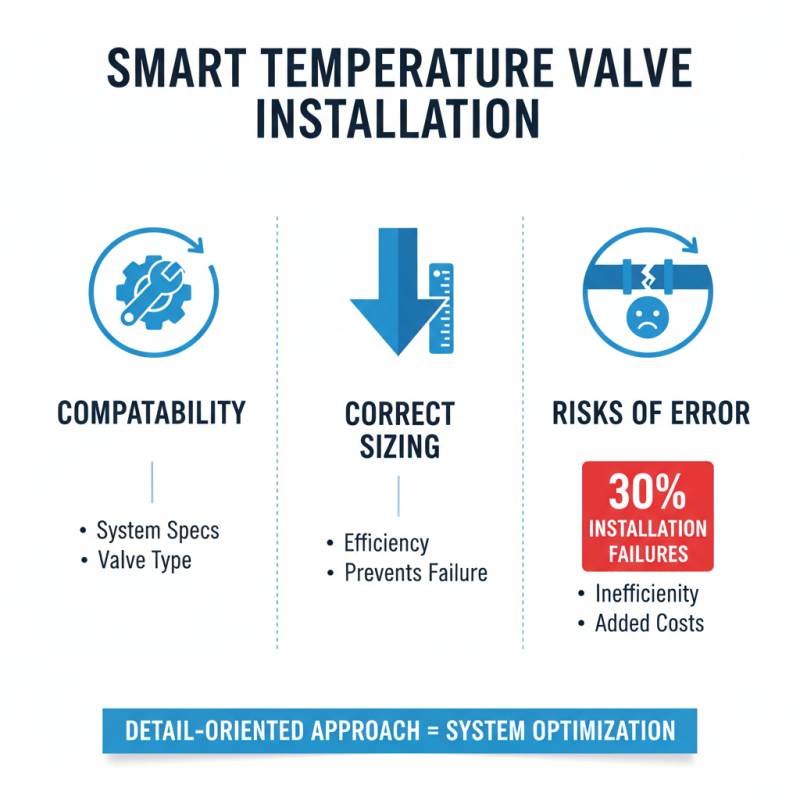
Sometimes, it’s easy to overlook the importance of proper installation and maintenance. Even the best temperature control valve can fail if not handled correctly. Learning from past mistakes can guide you to a smarter choice. Reflecting on these details will lead to a more informed decision. The right valve can make a significant difference.

Understanding Temperature Control Valves and Their Functionality
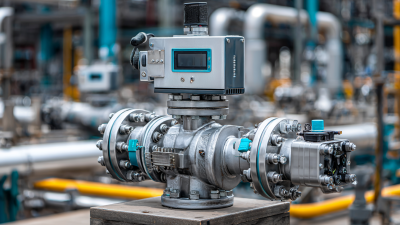
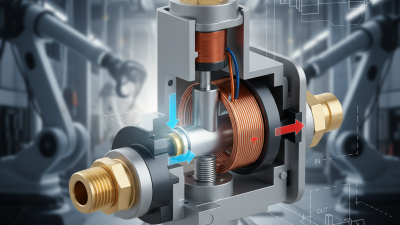
Temperature control valves play a crucial role in many systems. They regulate the flow of fluids, keeping temperatures within a desired range. These valves can be found in heating, cooling, and even manufacturing processes. Understanding their functionality is essential.
A typical temperature control valve operates using various mechanisms. Some use electrical signals, while others depend on pressure changes. Their response time can vary. In some cases, they may not react quickly enough, leading to overshooting or undershooting the temperature. This delay can be problematic in sensitive applications.
When selecting a valve, consider its application. The environment can impact performance. High-pressure situations can complicate valve operation. Also, the size of the valve must match the system's requirements. If the valve is too large or too small, efficiency drops. Reflection on these factors can ensure better performance.
How to Choose the Best Temperature Control Valve for Your Needs in 2026?
| Feature |
Description |
Importance |
Typical Application |
| Size |
Refers to the diameter and length of the valve. |
Critical for ensuring proper flow rates. |
Industrial piping systems. |
| Material |
Common materials include brass, stainless steel, and plastic. |
Affects durability and performance in different environments. |
Water treatment facilities. |
| Temperature Range |
Operating temperature limits of the valve. |
Ensures valve can handle specific application needs. |
Chemical processing. |
| Actuation Type |
Manual, electric, or pneumatic actuation methods. |
Impacts response time and control precision. |
HVAC systems. |
| Control Type |
On/off, modulating, and proportional control valves. |
Determines how accurately the temperature is regulated. |
Food processing. |
Key Factors to Consider When Selecting a Temperature Control Valve
Choosing the right temperature control valve is crucial in various applications. Several key factors need attention. First, consider the operating range. Different processes require specific temperature limits. Knowing your temperature range helps you make an informed decision.
Material selection is another essential factor. Valves are made from various materials. Each material has unique resistance properties. Choose one that can withstand your process conditions. It’s not just about durability; it impacts performance as well.
**Tips:** Always examine the flow capacity. An inadequate flow rate can lead to inefficiencies. Test the valve under actual operating conditions if possible. Regular maintenance checks allow for early detection of issues. This approach may save time and costs long-term.
Also, evaluate control precision. Some applications require tight temperature control. If precision is vital, opt for high-quality control mechanisms. Consider the integration with your existing system too. Compatibility is key for seamless operation. A mismatch can create frustrations.
Types of Temperature Control Valves: Which One Suits Your Needs?
When selecting a temperature control valve, understanding the types available is crucial. There are several options on the market. Each type serves specific applications. For instance, modulating valves offer precise control. They adjust flow rates based on input signals. According to a 2023 industry report, modulating valves account for over 35% of the market due to their efficiency.
Another option is on/off control valves. These valves work in a binary fashion. They are either fully open or closed. While they can be simpler to operate, they may not provide the fine control some applications require. A notable statistic indicates that about 50% of users are dissatisfied with the response time of traditional on/off valves. This highlights the importance of selecting the right type.
Consider your specific needs. Are you managing temperature in a delicate process? Or, is a basic temperature control sufficient? It's essential to analyze the operational requirements. Some users find that their initial choice does not meet performance expectations. Regular reassessment of valve performance can lead to more efficient operations. Each application is unique, and so should be the valve selection process.
Evaluating Valve Materials and Compatibility with Your System
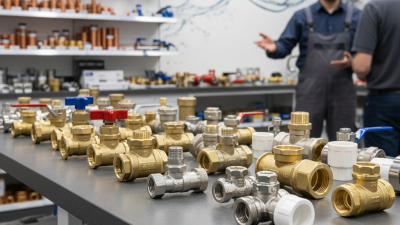
When choosing a temperature control valve, material compatibility with your system is crucial. Materials can affect performance and durability. Common options include brass, stainless steel, and plastic. Each has its pros and cons.
Brass is strong and resistant to corrosion. It is often used in water applications. However, it may not be ideal for extreme temperatures. Stainless steel offers better heat resistance. But it can be heavier and more expensive. Plastic valves are lightweight and cost-effective but may lack durability in high-pressure systems.
**Tips:** Always check your system’s specifications. Consider the temperature range and media type. Test different materials if possible. Compatibility is key for efficient operation. Don’t overlook potential leaks that can occur with mismatched materials.
In the end, make an informed choice based on your system's unique needs. Mixing materials can lead to issues, so it's essential to think about this carefully. Sometimes oversights happen, especially under time pressure. Keep an eye on long-term performance.
Temperature Control Valve Material Comparison in 2026