2026 Best Valve Guide Customized Options for Performance Engines?
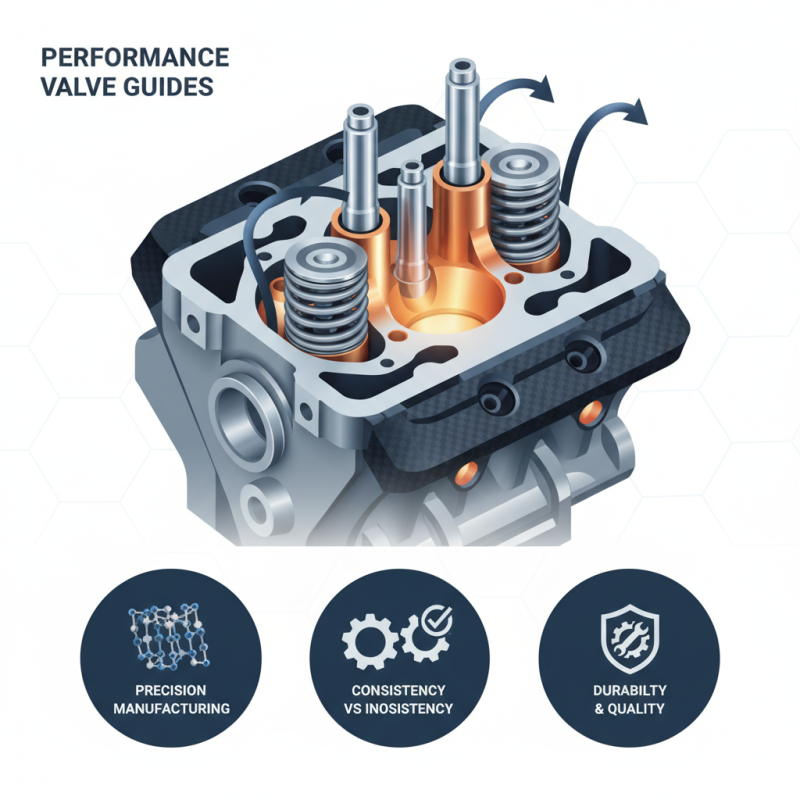
In the world of performance engines, precision is key. Valve Guide Customized options play a crucial role in optimizing engine efficiency. Every engine demands attention to detail, especially when it comes to internal components.
These customized valve guides can enhance performance significantly. They provide better alignment for the valves, which directly affects airflow and combustion. Additionally, choosing the right materials can improve durability.
However, not all customized options are perfect. There may be inconsistencies that arise during manufacturing. Engine builders often face challenges in finding the right fit. Careful consideration is necessary to avoid potential issues down the line. Investing in quality valve guide customized solutions is essential for any serious performance engine project.
Overview of Valve Guides and Their Role in Performance Engines
Valve guides are crucial for the performance of an engine. They help maintain the alignment of the valves. Proper alignment ensures effective sealing and prevents wear. If the guides are worn or misaligned, engine performance suffers. This can lead to reduced power and efficiency.
Customization of valve guides can bring significant benefits. Many performance engines require specific tolerances. Standard guides may not meet these demands. Custom options can enhance durability and provide a better fit. This can lead to smoother operation and less friction.
However, selecting the right material and design is not straightforward. Many options exist, like bronze, which is popular but may not be the best choice for all applications. Some may overlook the effects of poor installation. A poorly fitted guide can lead to catastrophic failures. It’s important to consider the entire assembly for optimal results.
Key Considerations for Customizing Valve Guides for Engine Performance
Customizing valve guides is essential for enhancing engine performance. The right dimensions and materials can lead to improved airflow and valve stability. Reports indicate that optimizing valve guides can increase horsepower by up to 15%. Precision in design is crucial. Any mismatch in sizing can affect the engine's efficiency.
When selecting materials, consider durability and heat resistance. High-quality options like bronze or stainless steel often provide better wear resistance. Studies show that engines using upgraded valve guides experience less wear and tear. This can extend engine life significantly. However, customization requires expertise. It is easy to overlook small details that could impact performance.
Machining tolerances must be precise. A difference of just a few microns can lead to issues. For example, a valve guide that is too loose could cause unwanted vibrations. Constant reflection and adjustment during the customization process are necessary. Not everyone achieves the desired results on the first attempt. Recognizing and addressing mistakes can lead to better solutions and ultimately improved engine performance.
Materials and Technologies Used in High-Performance Valve Guides
In high-performance engines, valve guides play a crucial role in maintaining engine efficiency and longevity. The material choice significantly impacts how these components perform. Common materials include bronze and steel, known for their durability. However, alternative materials like titanium are gaining traction. They are lighter, which can improve overall engine responsiveness.
New manufacturing technologies also enter the scene. Precision machining ensures a tight fit, which minimizes wear. However, using advanced techniques requires careful monitoring. It’s easy to overlook slight variations that could affect performance. Each small detail can lead to big consequences when the engine is under load.
The integration of composite materials has shown promise. These materials reduce friction and heat buildup. Yet, they can also present challenges in terms of compatibility with other engine components. Striking a balance between performance and reliability is essential. Every decision can lead to either a significant gain or an unforeseen setback in engine function.
2026 Best Valve Guide Customized Options for Performance Engines
| Material | Temperature Resistance (°C) | Weight (grams) | Thermal Conductivity (W/m·K) | Customization Options |
| Bronze | 350 | 60 | 115 | Machining, Coating Options |
| Steel | 400 | 50 | 50 | Thickness, Length Adjustments |
| Titanium | 600 | 40 | 20 | Custom Shapes, Finishes |
| Carbon Composite | 250 | 35 | 10 | Different Diameters, Textures |
| Aluminum | 300 | 70 | 205 | Color Options, Anodizing |
Popular Manufacturers and Their Customized Options for Valve Guides
When it comes to performance engines, valve guides play a crucial role. They help maintain the alignment of the valves with the combustion chamber. Popular manufacturers offer various customized options. These options can significantly enhance engine efficiency. According to industry reports, customized valve guides can increase engine longevity by up to 20%. This is a substantial benefit for enthusiasts seeking optimum performance.
Different manufacturers provide unique materials for these guides. Some use bronze, while others opt for bimetallic solutions. Alloys offer durability and reduced wear. However, not all options are perfect. Some materials may be prone to excessive wear under high temperatures. Engineers need to consider these factors when selecting a valve guide. There are trade-offs involved. Customized options may also lead to increased costs, which can deter some users.
Performance engine builders often face challenges. They must balance performance with reliability. The right valve guide can make a significant difference. However, there’s no one-size-fits-all solution. Each engine type may require specific configurations. This makes the customization process essential. Engine builders must remain vigilant and ready to adapt.
Installation Tips and Maintenance for Customized Performance Valve Guides
When considering customized performance valve guides, proper installation is critical for peak engine performance. Start with clean components. Dirt can damage both the guides and the valves. According to industry studies, nearly 30% of performance engine failures stem from improper installation. Always use specified torque settings to avoid stress on the components. Over-tightening can lead to cracks.
Regular maintenance is another essential aspect. Check for wear and tear every 10,000 miles. Many enthusiasts overlook this detail. A well-maintained valve guide can increase the lifespan of your engine by up to 20%. Inspecting for signs of wear before they become significant issues can save you substantial repair costs. It’s also beneficial to regularly lubricate the guides. Industry reports indicate that proper lubrication can reduce friction by up to 50%.
Lastly, don't underestimate the importance of periodic performance evaluations. Sometimes, even the best components may not perform well without adjustments. Document your findings during these evaluations. Reflection on each stage can lead to an optimized setup, enhancing overall performance. Remember,
the more data you gather, the better your decisions will be in your customization journey. Proper care and attention to these details can make a significant difference in performance.