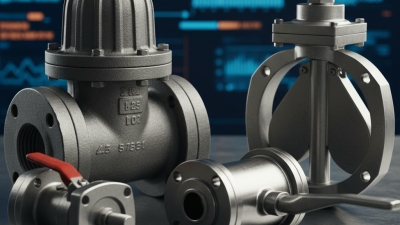
2026 Best Hydraulic Control Valve for Global Buyers?
In the world of industrial machinery, the hydraulic control valve plays a crucial role. These valves are essential for regulating fluid flow and pressure in hydraulic systems. Choosing the right hydraulic control valve can significantly impact efficiency and performance.
As global buyers seek the best options for 2026, it is vital to consider various factors. Factors such as material quality, flow capacity, and brand reputation play significant roles in the purchasing decision. Different applications may require different specifications; thus, understanding the application's needs is critical.
Many buyers overlook important details when selecting a hydraulic control valve. For instance, compatibility with existing systems is often underestimated. This oversight can lead to inefficiencies or even downtime. Furthermore, some brands may promise high performance but fail to deliver. Buyers must research to make informed decisions. Choosing wisely can ensure optimal operation and reliability.
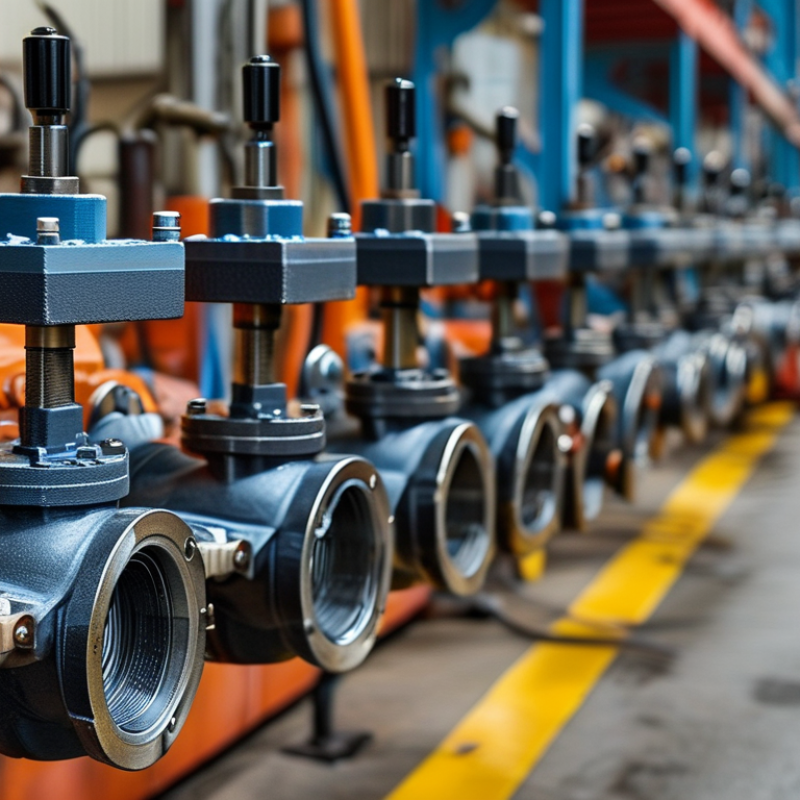
Overview of Hydraulic Control Valves: Types and Applications
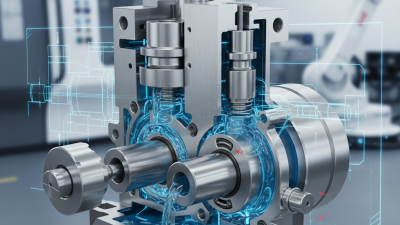
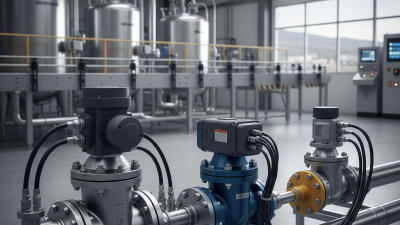
Hydraulic control valves play a crucial role in various industrial applications. They manage fluid flow, pressure, and direction in hydraulic systems. These components come in several types, including
directional control valves,
pressure control valves, and
flow control valves. Each type serves distinct functions depending on the specific needs of the system.
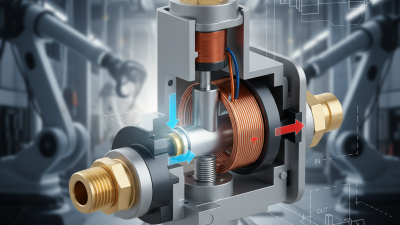
Directional control valves direct hydraulic fluid to different actuators. The flow control valves regulate flow rates, ensuring processes run smoothly. Pressure control valves safeguard systems by maintaining appropriate pressure levels.
According to the latest market research, the global hydraulic valve market is projected to reach $19 billion by 2026, reflecting a significant growth trajectory. This expansion is fueled by increasing automation in manufacturing and construction sectors.
Tip: When selecting hydraulic control valves, consider factors like flow rate, pressure rating, and application specifics. It's crucial to match valve specifications with system requirements to avoid inefficiencies.
Despite the advancements, challenges exist. Users often face difficulties in maintenance and optimization. Inadequate knowledge can lead to malfunctions or damage. Equipping your team with training can minimize these issues. Regularly reviewing system performance can also highlight areas needing improvement.
Key Features to Consider When Choosing a Hydraulic Control Valve
When selecting a hydraulic control valve, several key features should guide your decision. First, consider the
flow capacity. This determines how much hydraulic fluid the valve can handle. Matching the valve capacity to your system's needs ensures optimal performance. Inadequate capacity might lead to inefficiencies, while excessive capacity can increase costs unnecessarily.
Another vital feature is the valve's response time. A quicker response time allows for better control in dynamic situations. This is crucial for applications requiring precision, such as in manufacturing or mobile equipment. Additionally, the operating pressure rating is critical. It indicates the maximum pressure the valve can withstand. Choosing a valve that exceeds your system's pressure requirements can enhance reliability.
Moreover, assess the materials used in the valve's construction. Durable materials resist wear and tear in harsh environments. Corrosion resistance is equally important, especially in applications exposed to moisture. Failing to account for material quality could result in frequent replacements or system failures. Lastly, consider the valve's maintenance needs. Some valves may require more upkeep. Knowing these aspects can enhance your decision-making process.
Top Brands and Manufacturers of Hydraulic Control Valves for 2026
In 2026, the demand for hydraulic control valves remains robust. Various manufacturers compete to provide efficient and reliable solutions. Buyers should prioritize brands that have established reputations for quality and innovation. Look for companies recognized for their engineering expertise. This can significantly affect the reliability of hydraulic systems.
Tips: Research online reviews and testimonials. Real-world experiences from other users can guide your choices. Evaluate the performance metrics provided by manufacturers. These details can indicate the valve's efficiency and longevity.
Choosing the right valve involves understanding your specific needs. Selection criteria must include the operating pressure, flow rates, and the application environment. Not all hydraulic valves are created equal. Some might have better sealing capabilities while others excel in responsiveness. This variation can impact performance.
Tips: Don't hesitate to ask for recommendations. Engaging with industry professionals can reveal insights not available in marketing materials. Also, consider consulting technical documentation from manufacturers. This can provide deeper understanding of the valve specifications and limitations. Making informed decisions reduces the risk of costly mistakes.
2026 Best Hydraulic Control Valve for Global Buyers
| Type |
Pressure Rating (bar) |
Flow Rate (L/min) |
Material |
Temperature Range (°C) |
| Directional Control Valve |
250 |
120 |
Cast Iron |
-20 to 80 |
| Pressure Relief Valve |
300 |
80 |
Steel |
-10 to 90 |
| Flow Control Valve |
200 |
100 |
Aluminum |
-30 to 70 |
| Check Valve |
150 |
60 |
Bronze |
-20 to 85 |
| Flow Control Valve |
100 |
50 |
Plastic |
0 to 60 |
Comparative Analysis of Price and Performance in Hydraulic Control Valves
When searching for the best hydraulic control valves, understanding price and performance is crucial. This comparative analysis explores how these factors impact user's decisions. Many buyers look for high efficiency without overspending. Valves may vary widely in price, yet similar performance can often be found at lower costs.
Performance should not be the only concern; durability and maintenance are equally important. An expensive valve might offer excellent specifications. However, low-quality materials can lead to frequent repairs. In some cases, buyers find cheaper options that perform adequately but require more upkeep. The long-term cost of ownership is vital in this evaluation.
To make a wise choice, buyers need to prioritize their applications. Specific industries demand certain features. For instance, precision might be critical in manufacturing, while agriculture may value reliability over performance. Individuals can benefit from trial periods or product demonstrations. These experiences often reveal the real-world effectiveness of a valve, enhancing decision-making.
Future Trends and Innovations in Hydraulic Control Valve Technology
Hydraulic control valves are crucial in various industries, driving efficiency and precision. As we look towards 2026, several innovations are set to redefine their functionality. Smart technology integration is one of these trends. The use of sensors and automated controls will enhance performance. Users can expect real-time data feedback, leading to better decision-making and reduced downtime.
Additionally, advancements in materials are noteworthy. Lightweight, durable composites are becoming more common. This transition not only improves performance but also boosts energy efficiency. However, this shift may raise concerns about long-term durability. Engineers must carefully balance weight and strength to prevent failure.
Moreover, sustainability is becoming a focal point in hydraulic control valve design. Manufacturers are exploring eco-friendly production methods. This includes reducing waste and utilizing renewable resources. Yet, challenges remain in meeting stringent industry standards. Continuous innovation is essential. The industry must adapt while ensuring reliability and efficiency.
2026 Best Hydraulic Control Valve Trends