What Are the 2026 Top Electrofusion Reducing Sleeve Types?
What Are the 2026 Top Electrofusion Reducing Sleeve Types?
The 2026 market is moving toward safer, traceable, and application-specific Electrofusion Reducing Sleeve designs. Grand View Research identifies infrastructure renewal, gas distribution, and water-network investment as important growth drivers for the global plastic pipes market. Research and Markets also points to stronger demand for polyethylene piping in corrosion-prone environments. These trends matter at the fitting level. A sleeve must reduce diameter accurately, maintain pressure integrity, and tolerate field conditions.
The details are practical. Installers inspect the pipe surface, scrape oxidation, align the reducer, and control cooling time. Barcode scanning can reduce input errors. It cannot replace experience. A wet trench still creates risk. A rushed scrape can weaken the fusion zone.
David Willoughby, author of the Plastic Piping Handbook, emphasizes, “Fusion reliability begins with proper preparation.” His principle remains relevant for 2026 product selection. Top types may include standard PE100 reducing sleeves, SDR-matched sleeves, long-body sleeves for higher stability, and smart sleeves with digital traceability. Some designs look impressive but offer limited value without verified testing.
That is the uncomfortable point. Product labels alone do not prove performance. Buyers should review pressure ratings, dimensional standards, resin compatibility, fusion voltage, cooling requirements, and third-party test evidence. This guide compares leading types through those measurable criteria. It also recognizes a limitation: regional standards and manufacturer data are not always presented consistently. Always verify the latest technical documentation before specifying a fitting.
What Are Electrofusion Reducing Sleeves and How Do They Work?
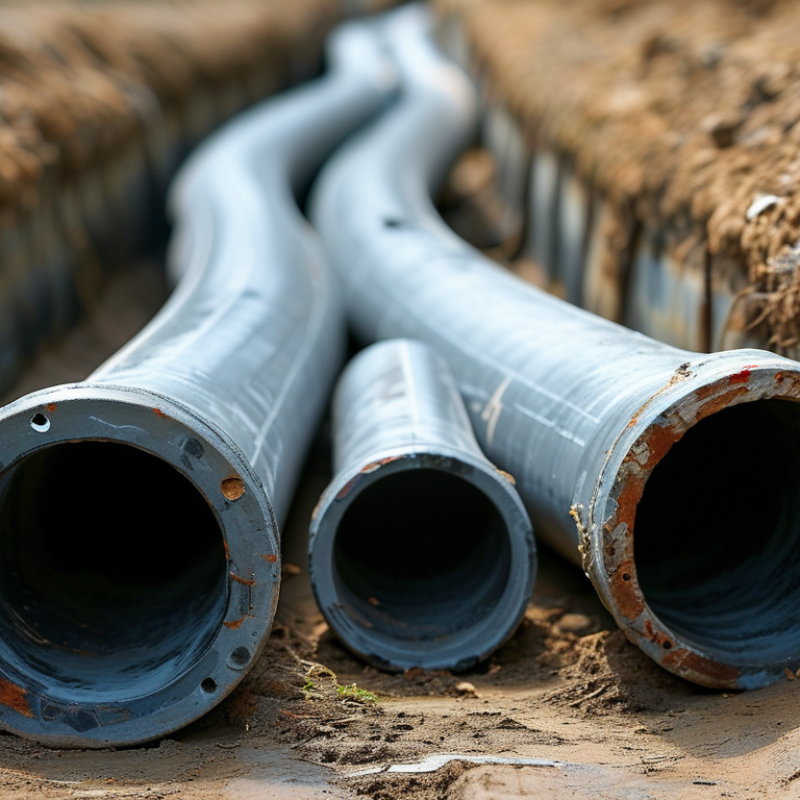
Electrofusion reducing sleeves join two polyethylene pipes with different outside diameters. They are common in water, gas, irrigation, and industrial piping systems. A sleeve contains embedded electrical resistance wires. When controlled current passes through them, the plastic around the joint heats and melts. Pressure from the fitting and pipe surfaces creates a permanent molecular bond.
Common types include standard reducing sleeves, long-body reducing sleeves, and transition fittings for connecting polyethylene to another approved pipe material. Standard sleeves suit routine size changes. Long-body designs provide more insertion length and can improve alignment on larger pipes. Some systems use repair-style reducing sleeves where movement or limited access makes installation difficult. Selection should match pipe diameter, wall thickness, pressure rating, and applicable installation standards. A fitting that looks correct may still be unsuitable.
The work depends heavily on preparation. The pipe ends must be cut square, scraped to remove oxidation, cleaned, and kept dry. Even fingerprints or dust can weaken the fusion area. After correct insertion, the electrofusion processor controls voltage, heating time, and cooling requirements. Technicians should inspect fusion indicators, alignment, and visible movement before pressure testing. I have seen otherwise careful installations fail because scraping was rushed. The method feels simple. It is not forgiving. Temperature, unstable power, poor restraint, or premature movement can affect the joint. Installation records should include fitting details, fusion time, ambient conditions, and operator checks, while recognizing that field measurements still deserve a second review.
What Are the 2026 Top Electrofusion Reducing Sleeve Types?
PE100 SDR pressure classes commonly used when selecting reducing sleeve configurations
How to read the chart: Electrofusion reducing sleeves join polyethylene pipes with different outside diameters. Common configurations include same-SDR sleeves, multi-SDR sleeves, long-pattern sleeves for additional fusion length, and transition sleeves designed for PE-to-metal connections.
The chart shows typical nominal pressure classes for PE100 pipe systems at 20°C, based on commonly used SDR values in ISO 4427 and EN 12201 applications. The actual allowable pressure depends on temperature, service medium, design coefficient, pipe dimensions, and the fitting manufacturer's certified specifications.
Which Electrofusion Reducing Sleeve Types Are Top in 2026?
Which Electrofusion Reducing Sleeve Types Are Top in 2026?
In 2026, standard socket-type reducing sleeves remain the leading choice for municipal water and gas networks. They connect different pipe diameters while keeping installation compact. A 2024 Grand View Research analysis projects the global plastic-pipe market to grow at about 4.5% annually through 2030. That expansion supports steady demand for reliable polyethylene fittings.
SDR-matched reducing sleeves are especially important. Their wall-thickness compatibility helps control fusion pressure and cooling stress.
Long-barrel versions are gaining attention on crowded worksites, where alignment is difficult and pipe movement is limited. For service connections, smaller reducing sleeves offer cleaner layouts and easier inspection. They also reduce the need for extra adapters.
Field experience still matters more than rankings. ASTM F1055 and ISO 4427 emphasize dimensional accuracy, material compatibility, and pressure performance. Installers should check pipe grade, SDR, fusion-zone length, and manufacturer-approved procedures before choosing a sleeve. A larger fitting is not automatically safer. That assumption deserves review. Soil movement, moisture, scraping quality, and cooling time can change results, even with a certified product. Some projects may still prefer conventional reducing couplers because their procedures are familiar and easier to audit.
Based on current market direction and technical guidance, SDR-matched socket sleeves, long-barrel reducing sleeves, and compact service-line designs appear strongest for 2026 applications.
How Do Different Reducing Sleeve Designs Compare?
What Are the 2026 Top Electrofusion Reducing Sleeve Types?
How Do Different Reducing Sleeve Designs Compare?
Electrofusion reducing sleeves generally fall into three designs: standard, long-barrel, and transition sleeves. Standard sleeves suit routine diameter changes on compatible polyethylene pipes. Their compact body saves space, but it allows less tolerance for misalignment. Long-barrel sleeves provide deeper insertion and a larger fusion zone. They are more forgiving during field installation, especially on ovalized pipe ends. Transition sleeves connect different pipe structures or material grades. Their performance depends heavily on manufacturer-approved compatibility data.
A 2024 Grand View Research analysis valued the global plastic pipes market at over 50 billion US dollars. It also projects continued growth through 2030. That growth increases demand for reliable joining systems, but market size does not prove installation quality. The Plastics Pipe Institute’s PE technical guidance stresses scraping, cleaning, alignment, and controlled fusion cycles. These details often matter more than sleeve shape. A sleeve may look perfectly seated and still contain contamination. That is an uncomfortable field reality.
Tips: Match the sleeve to pipe SDR, outside diameter, and pressure class. Check socket depth before heating. Use a calibrated fusion processor. Long-barrel designs help when alignment is difficult, but they need more working space. Standard sleeves remain practical for confined trenches. Transition sleeves require extra verification. A qualified technician should record ambient temperature, fusion time, and cooling time. Human error remains the weak point. I would not ignore it.
How to Select the Right Electrofusion Reducing Sleeve
What Are the 2026 Top Electrofusion Reducing Sleeve Types?
How to Select the Right Electrofusion Reducing Sleeve
Electrofusion reducing sleeves usually fall into three practical types: standard reducers, long-pattern reducers, and SDR-transition reducers. Standard models suit common polyethylene pipe sizes. Long-pattern designs provide a larger fusion zone, which can improve alignment on larger diameters. SDR-transition sleeves connect pipes with different wall-thickness ratios, but they require careful pressure-rating checks.
Selection begins with the pipe’s actual outside diameters, not its nominal size. Confirm the pipe material, SDR, pressure class, and dimensional standard. ISO 4437-3 and ASTM F1055 provide important requirements for polyethylene fittings and electrofusion components. The Plastics Pipe Institute’s Handbook of Polyethylene Pipe also stresses controlled heating, clean surfaces, and stable clamping during fusion. Small contamination can weaken the joint.
Market demand is also rising. Grand View Research reported that the global HDPE pipes market was valued at over 19 billion dollars in 2023, with continued growth expected through the decade. That growth increases the need for reliable size transitions. Check the fitting’s barcode, fusion voltage, insertion depth, and cooling time before installation. Field experience shows that installers sometimes trust labels too quickly. I have seen “matching” fittings fail basic dimensional checks. Measure twice. Then review the installation record, ambient temperature, and pressure-test requirements before commissioning.


