2026 Top Hydraulic Directional Control Valve Trends and Innovations?
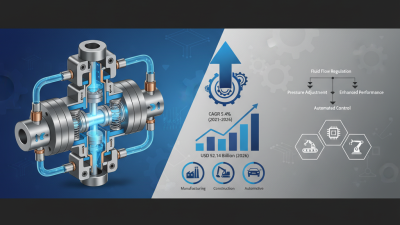
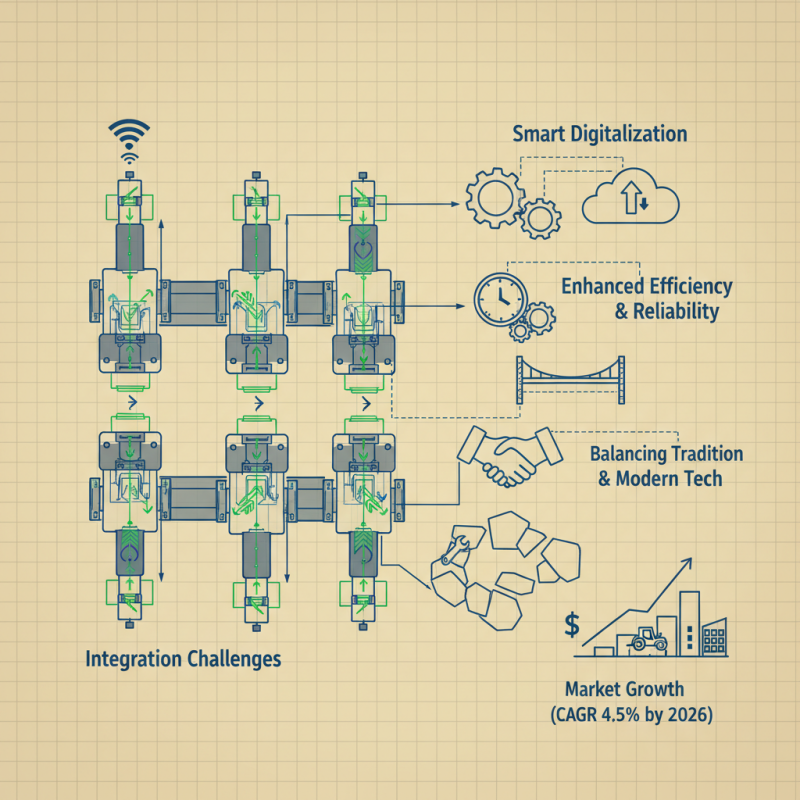
The hydraulic directional control valve plays a vital role in fluid power systems. As industries evolve, innovations in this area become critical. According to a recent market report, the global hydraulic valve market is projected to grow at a CAGR of 4.5% by 2026. This growth reflects rising demand in construction, agriculture, and marine sectors.
Emerging trends focus on enhanced efficiency and reliability of hydraulic systems. Digitalization is one area influencing design and functionality. Smart hydraulic directional control valves can now provide real-time data for predictive maintenance. This reduces downtime, which is a persistent issue in many applications.
Yet, challenges persist. The complexity of integrating these advanced designs can lead to installation issues. Users often struggle with adapting to innovations. Balancing traditional practices with modern technology remains essential for optimal performance in hydraulic systems. As we explore trends and innovations, a keen eye on practical implementation is crucial for success.
Current Market Overview of Hydraulic Directional Control Valves in 2026
The hydraulic directional control valve market is poised for significant growth by 2026. Recent reports indicate that this market will reach approximately $2.5 billion, driven by robust demand in construction and agricultural sectors. The rise of automation in these industries greatly influences this trend. Additionally, the adoption of advanced materials can improve the longevity and efficiency of these valves, making them more appealing.
Data shows that the global hydraulic systems market is growing at a rate of 5% annually. This growth boosts the need for efficient control valves, which are essential for optimal hydraulic function. Innovative designs, such as electronic control systems, are gaining traction. These systems enhance precision in flow regulation. However, challenges remain, such as integrating new technologies into existing equipment.
Sustainability is becoming a focal point. Manufacturers face pressure to reduce environmental impact while ensuring high performance. The need for greener solutions could lead to adjustments in materials and manufacturing processes. Yet, transitioning to these innovations may slow adoption in certain markets, with cost remaining a significant barrier. Addressing these matters will be crucial for industry growth.
2026 Trends in Hydraulic Directional Control Valves
This chart displays the projected market share and adoption rates of various features and technologies in hydraulic directional control valves for the year 2026.
Emerging Technologies Impacting Hydraulic Control Valve Designs
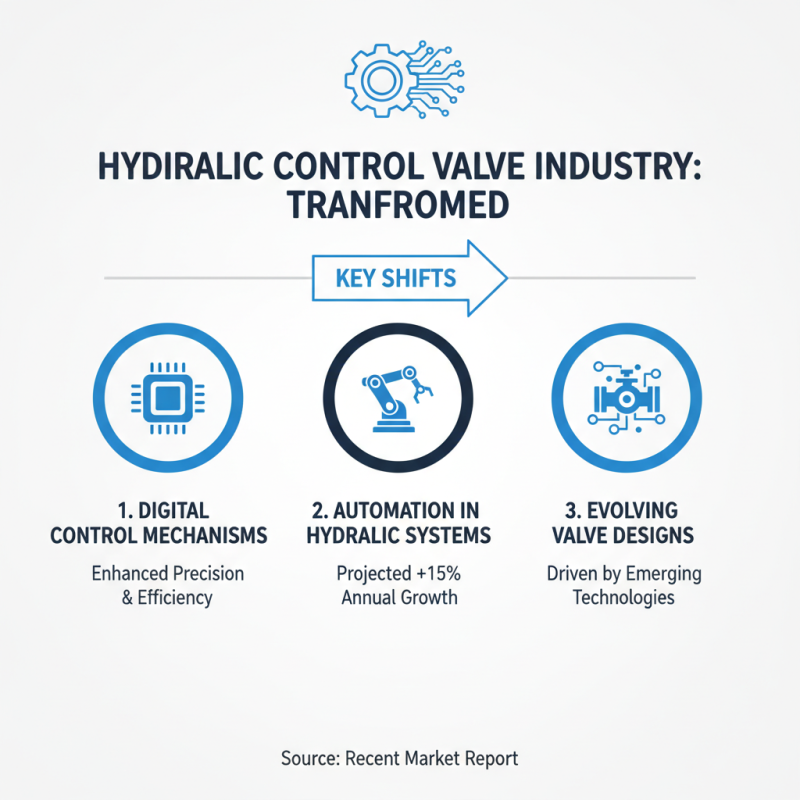
The hydraulic control valve industry is undergoing significant transformations. Emerging technologies are dramatically reshaping valve designs. For instance, digital control mechanisms are now prevalent. These advanced systems enhance precision and efficiency. According to a recent market report, automation in hydraulic systems may increase by 15% annually.
Smart sensors integrated within valves are another innovation. These sensors monitor performance in real-time. Data analytics helps predict maintenance needs, reducing unexpected downtime. A study highlights that predictive maintenance can lower operational costs by up to 25%. This shift towards smart technology is both exciting and complex.
However, challenges persist in adopting these innovations. The learning curve for operators can be steep. Additionally, integrating new technologies with existing systems often proves problematic. Older designs may require extensive modifications. While advancements promise better efficiency, the transition isn’t straightforward. Moving forward, companies must balance innovation with practical implementation strategies.
Sustainability Trends in Hydraulic Directional Control Valve Production
The production of hydraulic directional control valves is evolving. Sustainability is becoming a key focus in the industry. Manufacturers are seeking eco-friendly materials and processes. A recent report shows that 70% of industry leaders now prioritize green initiatives. This shift is significant for reducing environmental impact.
Tips for manufacturers: Consider recycling components. Use biobased oils in your production. These practices can lower your carbon footprint and enhance brand loyalty. New technologies are emerging, such as digital monitoring systems. These systems reduce waste through efficient resource management. They also offer insights for better decision-making.
However, some challenges remain. Integrating sustainable practices can be costly. Initial investments may deter some companies. Training staff on new practices is vital. Inconsistencies in material sourcing can lead to quality variances. Continual assessment is necessary to ensure sustainability goals are met. Manufacturers must embrace the change, despite the hurdles.
Integration of IoT in Hydraulic Control Systems for Enhanced Performance
The integration of IoT in hydraulic control systems is transforming the industry. According to a recent report, IoT adoption in hydraulic systems is expected to grow by 25% annually. This trend highlights the increasing importance of connectivity in enhancing performance and efficiency.
IoT-enabled hydraulic systems can monitor parameters in real-time. This capability allows for predictive maintenance, reducing downtime. Sensors collect data on pressure, temperature, and fluid levels. It can lead to smarter decision-making. However, businesses must address data security concerns. Cyberattacks on industrial systems can lead to significant losses.
The efficiency gains from IoT integration are notable. Some reports suggest that companies can achieve up to 20% energy savings. However, not all organizations fully embrace these innovations. A lack of understanding of IoT technology remains a barrier. Additionally, the workforce may need to adapt to new systems and processes. As the sector evolves, continuous learning becomes essential.
Future Challenges and Opportunities in the Hydraulic Valve Industry
The hydraulic valve industry faces several challenges as it moves toward 2026. One prominent issue is the shift towards sustainability. Many manufacturers need to adapt to eco-friendly materials. This adaptation can be slow and costly. Companies often struggle with the balance between performance and environmental impact. Implementing greener practices can sometimes compromise efficiency.
Another challenge is the integration of technology. Smart systems are increasingly relevant. Yet, many older companies find it hard to transition. There’s a learning curve associated with new technologies. Employees must be trained to handle these innovations effectively. Collaboration between tech developers and manufacturers is vital but can be complex.
Despite these challenges, opportunities abound. The demand for energy-efficient solutions is growing. This creates a vast market for innovative valve designs. Modular configurations could allow flexibility for different applications. Manufacturers must remain proactive, embracing change over complacency. Continuous improvement in design and function is necessary. The industry stands at a crossroads, redefining itself for the future.