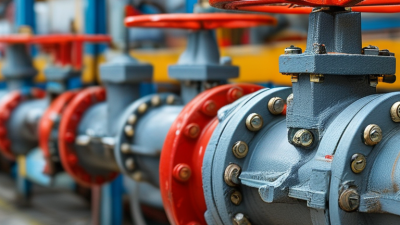
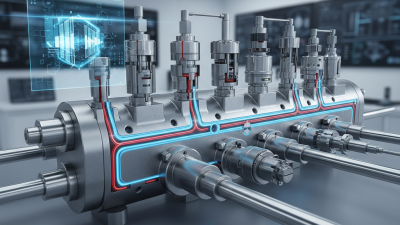
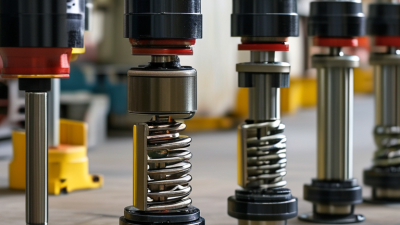
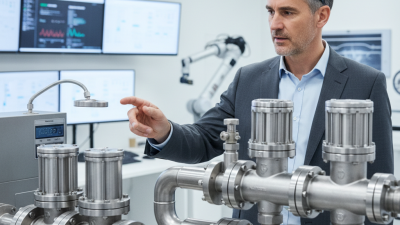
The global valves and fittings industry is entering 2026 with stronger demand from water treatment, energy, chemicals, construction, and semiconductor manufacturing. Grand View Research estimates that the global industrial valves market will continue expanding through 2030, supported by infrastructure renewal and stricter process-control requirements. MarketsandMarkets also identifies automation, smart monitoring, and safer fluid handling as major growth drivers.
These figures show opportunity, but they do not tell the whole story. A manufacturer may report impressive revenue while offering limited local service. Another may produce fewer units but deliver tighter tolerances, better documentation, and faster emergency support. That difference matters beside a chemical line, a municipal pump station, or a high-temperature steam header. Small details often decide long-term reliability.
R. W. Zappe, a respected valve-selection author, wrote, “The valve is the most important component in a piping system.” His point remains practical. A fitting can look flawless on a warehouse shelf and still fail when material compatibility, pressure cycling, or installation quality is overlooked. This guide examines ten leading valves and fittings manufacturers for 2026 through product breadth, certification practices, manufacturing capability, innovation, delivery performance, and after-sales support.
The ranking is not perfect. Public data varies between companies, and regional performance can be difficult to compare. Buyers should verify current certifications, test records, warranty terms, and distributor coverage before making a decision. The strongest supplier is not always the largest. It is the one that performs consistently when the process becomes unforgiving.
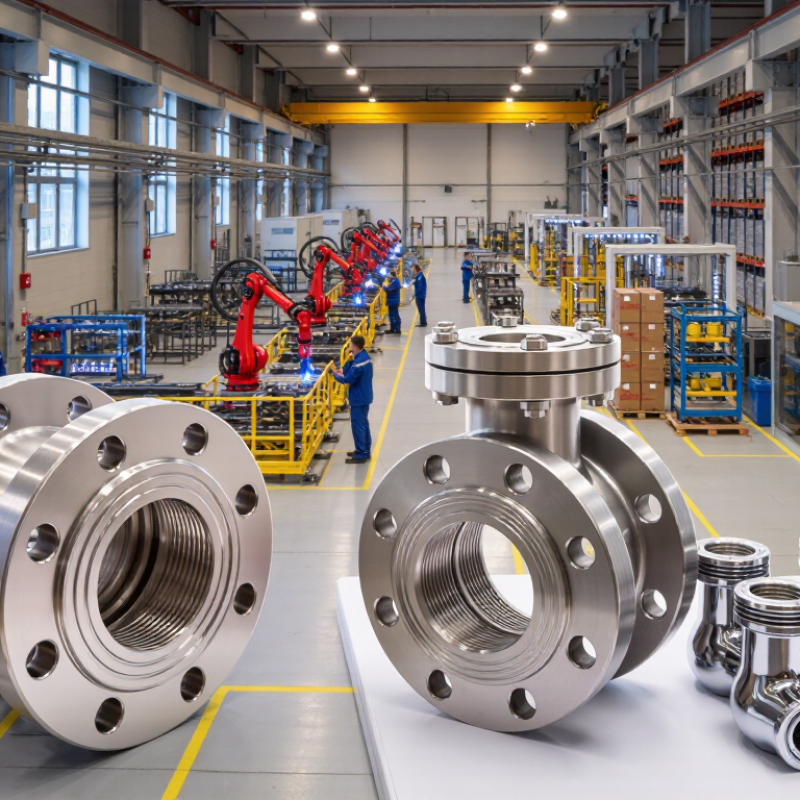
The 10 best valve and fitting manufacturers are judged beyond product catalogs. Evaluators examine engineering records, factory processes, and verified field performance. A reliable supplier should provide material certificates, pressure-test reports, and clear traceability for every batch. Inspectors may review heat numbers stamped on steel bodies and compare them with digital production records. Small details matter.
Technical performance remains central. Valves should maintain sealing under repeated pressure cycles, temperature changes, and vibration. Fittings must meet dimensional tolerances and connect without forced alignment. Evaluation teams also study corrosion resistance, operating torque, repair access, and expected service life. Independent testing strengthens credibility, especially when results include failure rates rather than only successful demonstrations. Numbers can reveal more than polished claims.
Manufacturers are also assessed through customer experience and operational discipline. Reviewers examine delivery consistency, spare-part availability, response times, and the quality of installation guidance. A supplier that admits a recurring defect may deserve more trust than one offering perfect-looking reports. No scoring model is flawless. Site conditions differ, and laboratory results can miss practical problems such as awkward maintenance space or unclear markings. For this reason, experienced evaluators combine audits, interviews, sample inspections, and long-term user evidence before ranking a manufacturer.

Choosing the right valves and fittings requires more than comparing prices. Field experience shows that flow direction, pressure, temperature, and maintenance access often decide performance. Ball valves provide quick shutoff in water, gas, and process lines. Gate valves suit fully open or closed service, especially where pressure loss must remain low. Globe valves offer better throttling control, although they usually create greater resistance.
Butterfly valves work well in large-diameter pipelines, HVAC systems, and fire protection networks. Check valves prevent reverse flow near pumps and compressors. Relief valves protect vessels and piping from dangerous overpressure. Small errors matter. A poorly selected seal can swell, crack, or leak after repeated temperature changes.
Fittings complete the system. Elbows redirect flow, tees divide it, and reducers connect different pipe sizes. Flanges support inspection and equipment removal, while threaded or compression fittings serve smaller lines. Stainless steel may suit corrosive fluids, while carbon steel can fit dry, high-strength applications. Plastic fittings remain useful in selected water and chemical services, but temperature limits need careful review. In food and pharmaceutical plants, smooth internal surfaces reduce contamination risks. In practice, selection is rarely perfect. Installers must verify dimensions, gasket compatibility, pressure ratings, and local inspection requirements before commissioning. A dependable manufacturer should provide traceable materials, clear testing records, and practical technical support.
| No. | Valve or Fitting Type | Primary Function | Common Materials | Typical Size Range | Typical Pressure Class or Rating | Typical Temperature Capability | Major Industrial Applications | Common Reference Standards |
|---|---|---|---|---|---|---|---|---|
| 1 | Floating or Trunnion-Mounted Ball Valve | Quarter-turn on/off isolation with low flow resistance | Carbon steel, stainless steel, duplex steel, alloy steel | DN15–DN1200; NPS ½–48 | ASME Class 150–2500; API 6D pipeline designs available | Approximately −196°C to 500°C, depending on materials and seals | Oil and gas transmission, LNG, petrochemicals, water treatment, chemical processing | API 6D, API 608, ISO 17292, ASME B16.34 |
| 2 | Gate Valve | Full-bore isolation; intended for fully open or fully closed service | Cast iron, ductile iron, carbon steel, stainless steel | DN50–DN1500; NPS 2–60 | ASME Class 125–2500; PN10–PN420 | Approximately −29°C to 600°C, depending on construction | Steam systems, power generation, water networks, mining slurry lines, process piping | API 600, API 594, API 603, ASME B16.34, EN 1171 |
| 3 | Globe Valve | Flow throttling and precise regulation | Bronze, cast iron, carbon steel, stainless steel, alloy steel | DN15–DN400; NPS ½–16 | ASME Class 150–2500; PN10–PN420 | Approximately −29°C to 600°C, subject to trim and packing selection | Boiler feedwater, steam control, cooling-water systems, chemical dosing, utilities | API 623, BS 1873, ASME B16.34, EN 13709 |
| 4 | Butterfly Valve | Compact quarter-turn isolation or modulation | Ductile iron, carbon steel, stainless steel, aluminum bronze; EPDM, NBR or PTFE seats | DN25–DN4000; NPS 1–160 | PN6–PN40; ASME Class 150–600 for selected designs | Approximately −40°C to 250°C, depending on seat material | HVAC, municipal water, wastewater, fire protection, marine and cooling systems | API 609, ISO 5752, EN 593, AWWA C504 |
| 5 | Check Valve | Prevents reverse flow without external actuation | Cast iron, ductile iron, carbon steel, stainless steel, bronze | DN15–DN1800; NPS ½–72 | ASME Class 125–2500; PN6–PN420 | Approximately −196°C to 500°C, depending on design and materials | Pump discharge, compressor systems, pipelines, boiler systems, water and wastewater facilities | API 594, API 6D, ASME B16.34, EN 12334 |
| 6 | Control Valve | Automatically regulates flow, pressure, level or temperature | Carbon steel, stainless steel, alloy steel, engineered trims | DN15–DN1200; NPS ½–48 | Commonly ASME Class 150–2500; application-specific pressure drop limits | Approximately −196°C to 600°C, depending on trim, actuator and packing | Refineries, power plants, chemical production, steam, gas and process-control systems | IEC 60534, ISA 75.01, ASME B16.34 |
| 7 | Safety Relief Valve | Protects equipment from overpressure by discharging fluid at a set pressure | Carbon steel, stainless steel, nickel alloys, bronze | Orifice-dependent; commonly DN15–DN300 | Set pressures from low-pressure service to high-pressure steam and process duty | Approximately −196°C to 550°C, depending on spring, bellows and materials | Pressure vessels, boilers, storage tanks, refineries, gas processing and pipelines | API 520, API 526, API 527, ASME Section VIII, ISO 4126 |
| 8 | Plug Valve | Quarter-turn isolation for liquid, gas or slurry service | Carbon steel, stainless steel, ductile iron, alloy steel; lined options | DN15–DN900; NPS ½–36 | ASME Class 150–1500; selected lubricated designs to higher ratings | Approximately −46°C to 450°C, depending on lining and seal system | Pipeline terminals, gas distribution, wastewater, pulp and paper, slurry handling | API 6D, API 599, API norma 6FA, ASME B16.34 |
| 9 | Pipe Flange | Detachable bolted connection for pipes, valves, pumps and equipment | Carbon steel, stainless steel, alloy steel, ductile iron, nickel alloys | DN15–DN3000; NPS ½–120 | ASME Class 150–2500; PN6–PN420 | Approximately −196°C to 600°C, subject to gasket, bolts and material selection | Process plants, water infrastructure, power generation, chemical and offshore facilities | ASME B16.5, ASME B16.47, EN 1092-1, MSS SP-44 |
| 10 | Butt-Weld or Socket-Weld Fitting | Changes direction, diameter or branch configuration in permanent piping systems | Carbon steel, stainless steel, low-alloy steel, nickel alloys | DN15–DN1200; NPS ½–48 | Manufactured for piping schedules and pressure classes defined by design code | Approximately −196°C to 600°C, depending on alloy and service conditions | Refineries, petrochemical plants, power stations, hydrogen systems and high-integrity process piping | ASME B16.9, ASME B16.11, ASME B16.25, MSS SP-75, EN 10253 |
Note: Pressure and temperature values are typical industry ranges rather than universal limits. Actual ratings depend on design, fluid properties, corrosion allowance, gasket and seal selection, applicable codes, and manufacturer qualification.
The top 10 valve and fitting manufacturers in 2026 are judged by engineering depth, production consistency, and field performance. This review focuses on suppliers serving water treatment, energy, chemical processing, and industrial automation. Their products include ball valves, gate valves, butterfly valves, check valves, pipe fittings, and specialized connection systems.
The strongest manufacturers combine accurate machining with dependable materials control. Stainless steel, ductile iron, carbon steel, and engineered alloys appear across their product ranges. Clear pressure ratings matter. So do temperature limits, corrosion resistance, and maintenance access. Independent testing, traceable certificates, and quality systems aligned with ISO 9001 strengthen buyer confidence. In demanding installations, proven sealing performance can prevent leaks, shutdowns, and expensive repairs.
The 2026 top ten should also reflect practical service, not only factory scale. Responsive technical support, replacement parts, and documented installation guidance reduce operating risks. Some manufacturers excel in custom fittings, while others lead in automated valve packages or large-diameter infrastructure products. No ranking is flawless. Regional delivery, project complexity, and local standards can change the order. Buyers should compare test records, warranty terms, lifecycle costs, and actual field references before selecting a supplier. A polished catalog is useful, but it cannot replace performance evidence from real systems.
Industrial valve selection commonly uses standardized ASME pressure-class designations. The chart below presents the widely recognized Class 150, 300, 600, 900, 1500, and 2500 categories used for comparing pressure-rated valve applications. These values represent nominal ASME class designations, not manufacturer sales or performance data.
Higher class numbers generally indicate a higher pressure-rating category, but the actual allowable pressure depends on temperature, material, valve design, end connection, and the applicable ASME standard.
In 2026, the best manufacturers should be judged beyond catalog size. Product quality begins with material traceability, pressure testing, and repeatable machining. The ISO Survey 2023 recorded more than 1.2 million ISO 9001 certificates worldwide. Certification matters, but it does not guarantee strong valve performance. Buyers should request heat numbers, mill test reports, hydrostatic test records, and failure-rate data. A clean factory floor is useful evidence. It is not conclusive proof.
Certifications should match the application. API 6D supports pipeline valve requirements, while ASME standards guide pressure equipment design. NSF/ANSI approvals are important for components used with drinking water. For international projects, check PED compliance and documented conformity assessments. Manufacturing capacity also deserves close inspection. Ask about monthly output, CNC equipment, test benches, spare-part stock, and lead-time history. Industry reports from Grand View Research continue to show steady growth in the industrial valves market, increasing pressure on reliable supply chains. Bigger capacity can still hide weak quality control.
Tips: Compare audited records, not marketing claims. Visit the plant when possible. Check whether serial numbers connect to inspection files. Also, challenge unusually low prices; this is where judgment becomes uncomfortable. A supplier may hold every major certificate yet outsource critical processes. That detail can change the risk calculation. Recheck certificates with the issuing body, and require sample testing before large orders.
Selecting among the 10 best valves and fittings manufacturers in 2026 requires more than comparing prices. The right choice begins with process conditions, not catalog size. Define media, pressure, temperature, flow rate, corrosion risk, and connection standards. Fortune Business Insights valued the global valves market at USD 76.61 billion in 2023. Its report projects continued growth through 2032, increasing procurement pressure and product variation.
Ask manufacturers for verifiable test records, material certificates, traceability documents, and failure data. ISO 5208 leakage testing can help confirm valve performance, while ASME and API requirements may apply to specific industrial systems. Check whether fittings match the pipe material, wall thickness, pressure class, and installation method. A polished brochure proves little. Field evidence matters more.
Speak with the technical team before signing. Their response should address cavitation, actuator sizing, gasket compatibility, maintenance access, and spare-part availability. Site audits reveal practical details, such as poor labeling or fragile protective caps. These small issues become expensive later. Do not accept every certification without checking its scope and issuing body. That is an easy mistake.
A useful scorecard can compare lifecycle cost, delivery reliability, quality controls, engineering support, and warranty terms. The cheapest quotation may hide inspection gaps or difficult replacement procedures. Market forecasts are helpful, but they cannot predict your plant’s actual risks. Recheck assumptions with operators and maintenance staff. Their feedback is often less polished, but more useful.
1272 Speers Rd Unit 4
Oakville ON Canada L6L 2X4
©Copyright 2020 Gosco Valves. All rights reserved.